 EN
APP Waterproof Membrane: High-Temperature Stability Guide
2026/11/20
How an APP waterproof membrane handles heat: 130°C softening point, torch application windows, overheating signs, summer storage, and thermal aging checks.

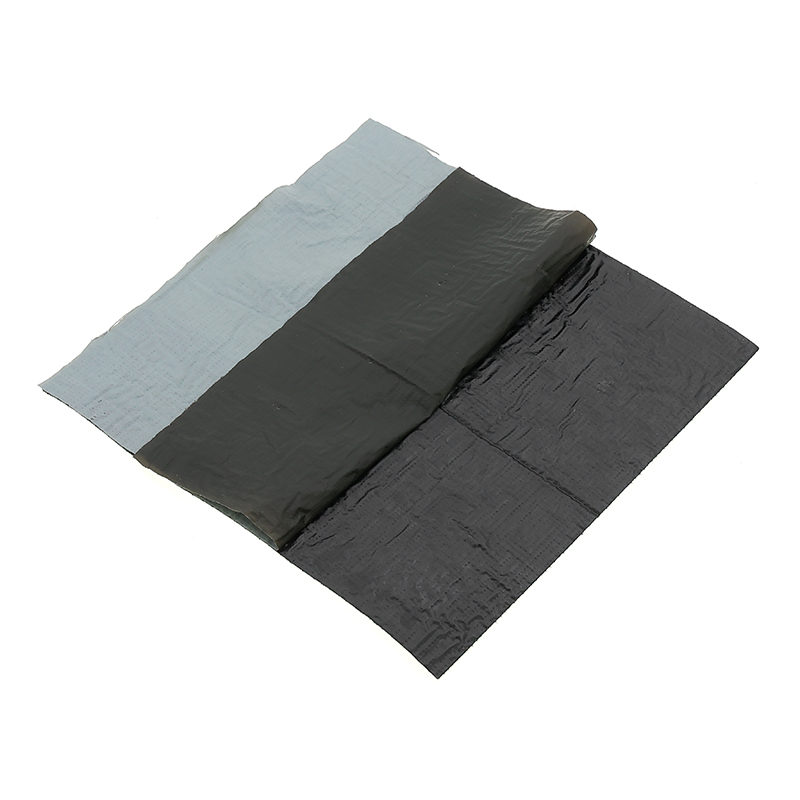
In modern commercial substructure engineering, applying a self adhesive moisture barrier provides an immediate, flame-free defense against subsurface water migration. A self adhesive moisture barrier is an engineered composite membrane designed to protect concrete footings, foundation walls, and floor slabs from groundwater ingress and vapor transmission. Unlike traditional asphalt membranes that require hazardous open-flame torching or hot bitumen kettles, an industrial self adhesive moisture barrier adheres directly to prepared masonry substrates through mechanical pressure. However, achieving dependable weatherproofing requires selecting a self adhesive moisture barrier engineered for the specific chemical and hydrostatic conditions of the jobsite. Commercial contractors who understand how a specialized self adhesive moisture barrier performs across varying foundation details can eliminate subterranean dampness and prevent structural degradation.
Specifying a self adhesive moisture barrier starts with evaluating the specific moisture dynamics of the building envelope. In deep basements and earth-retaining walls, installing a continuous self adhesive moisture barrier prevents hydrostatic soil water from penetrating microscopic concrete fractures. For ground-supported concrete slabs, an elastomeric self adhesive moisture barrier acts as a heavy-duty vapor retarder that protects moisture-sensitive floor finishes from capillary rising damp. When applied across exterior wall sheathing, a vapor-permeable self adhesive moisture barrier allows internal wall cavities to dry while blocking wind-driven rain. Sourcing the proper formulation of self adhesive moisture barrier prevents subterranean moisture tracking and maintains a continuous protective envelope across complex foundation steps.
The long-term reliability of a self adhesive moisture barrier depends on the synergy between its protective facing and its adhesive compound. Polyethylene-backed options represent the standard self adhesive moisture barrier for below-grade foundation walls, offering excellent puncture resistance against coarse backfill aggregate. When thermal insulation detailing requires radiant heat management, selecting an aluminum foil faced self adhesive moisture barrier provides a dual-action vapor and thermal reflection shield. Furthermore, utilizing a synthetic butyl adhesive core within the self adhesive moisture barrier guarantees superior low-temperature elasticity compared to standard oxidized bitumen. Specifiers must choose a self adhesive moisture barrier that maintains dimensional stability without shrinking or sliding when subjected to earth pressure.
Comparing modern peel-and-stick technology with traditional torch-on sheets highlights major installation efficiencies. A self adhesive moisture barrier completely eliminates fire hazards on occupied commercial jobsites, making it the preferred self adhesive moisture barrier for projects with strict insurance restrictions. In addition, installing a self adhesive moisture barrier reduces crew labor requirements because workers peel the silicone release liner and roll the membrane in a single pass. Conversely, torch-applied membranes require experienced heating crews and carry the risk of scorching building substrates. Sourcing an industrial self adhesive moisture barrier ensures uniform factory-controlled membrane thickness, eliminating the thin spots frequently created during manual torching operations.
Achieving a permanent bond with a self adhesive moisture barrier requires meticulous substrate preparation before unrolling material. Installers must clean concrete surfaces thoroughly to remove curing compounds, form-release oils, and loose laitance, as a self adhesive moisture barrier cannot adhere to contaminated surfaces. When applying a self adhesive moisture barrier over green or porous concrete, applying a compatible polymer primer seals microscopic dust and enhances adhesive wetting. Crews must align each sheet of the self adhesive moisture barrier carefully, peeling the release film progressively to prevent wrinkles. Technicians must roll every square meter of the self adhesive moisture barrier using a weighted steel or silicone hand roller, working outward to expel trapped air. Inspecting all laps of the self adhesive moisture barrier guarantees complete watertight continuity.
Ambient temperatures significantly influence the tack and initial bond strength of any pressure-sensitive self adhesive moisture barrier. When installing a self adhesive moisture barrier below ten degrees Celsius, the adhesive core stiffens, reducing its ability to wet out rough concrete textures. In freezing conditions, contractors should specify a low-temperature rated self adhesive moisture barrier formulated with modified synthetic polymers that remain tacky down to minus seven degrees Celsius. Installers should store rolls of the self adhesive moisture barrier in a temperature-controlled staging room until immediately before application. Warming the substrate with hot air equipment before placing the self adhesive moisture barrier ensures optimal molecular bonding during winter installation.
Commercial procurement managers and distribution networks should source each self adhesive moisture barrier directly from experienced manufacturing plants. Shandong Dingtai Waterproof Technology Co., Ltd. manufactures certified self adhesive moisture barrier rolls under the JinDingTai brand, enforcing strict quality standards for compound mass, tensile strength, and low-temperature flexibility. Sourcing a factory-tested self adhesive moisture barrier ensures that the product satisfies international building codes and provides documented peel adhesion performance. In addition, purchasing standardized wholesale quantities of self adhesive moisture barrier streamlines inventory management across multiple commercial developments. Investing in a proven self adhesive moisture barrier protects property developers from expensive remedial waterproofing repairs and structural concrete deterioration.
No, a self adhesive moisture barrier must never be applied over damp, wet, or frosted concrete substrates. Trapped water vapor creates an unbonded layer between the concrete and the adhesive core of the self adhesive moisture barrier, causing blister formation and seam delamination. Always ensure the substrate is completely cured, clean, and dry before positioning a self adhesive moisture barrier.
A self adhesive moisture barrier utilizes a factory-applied, pressure-sensitive adhesive layer that bonds without open flames, making installation faster and safer. A torch-on membrane requires an open propane burner to melt the bitumen backing during application, introducing jobsite fire risks and requiring specialized hot-work permits.
When splicing adjacent sheets of a self adhesive moisture barrier, maintain a minimum overlap of seventy-five millimeters along side laps and one hundred millimeters along end laps. Rolling all overlaps of the self adhesive moisture barrier with a heavy silicone roller ensures an airtight and watertight bond.

2026/11/20
How an APP waterproof membrane handles heat: 130°C softening point, torch application windows, overheating signs, summer storage, and thermal aging checks.

2026/11/20
The science of a breathable waterproof membrane: water vapor diffusion, Sd values, three grammage grades, water column resistance, and wrong-use cases.

2026/11/20
Single-ply or two-ply, every flat roof is a stack. See how a self adhesive waterproof membrane for roof systems handles base, cap, insulation and drains.

2026/11/20
How the polyester scrim sets tensile strength and dimensional stability of reinforced TPO membrane rolls, with welding, roll sizes and selection tips.

2026/11/20
How an aluminum foil coated bitumen waterproof membrane reflects solar radiation, lowers surface temperature, and what maintenance keeps savings alive.

2026/11/20
SBS modified bitumen waterproof membrane property groups: tensile strength, low-temperature flexibility, heat resistance, surface finishes, applications.
Links to the corresponding full news page.

The eight questions overseas buyers ask most — factory ownership, capacity, batch consistency and lead times, answered straight.

SBS membranes, polymer sheets, coatings and geomembranes — six product lines are operating simultaneously.

Pre-sales specification, on-site technical support and post-delivery maintenance across 100+ export markets.

Waterproofing performance is decided in the specification and the detailing, not just the material. Our technical team helps you select the right system, resolve site questions as they arise, and stay reachable long after the container lands.
