 EN
APP Waterproof Membrane: High-Temperature Stability Guide
2026/11/20
How an APP waterproof membrane handles heat: 130°C softening point, torch application windows, overheating signs, summer storage, and thermal aging checks.

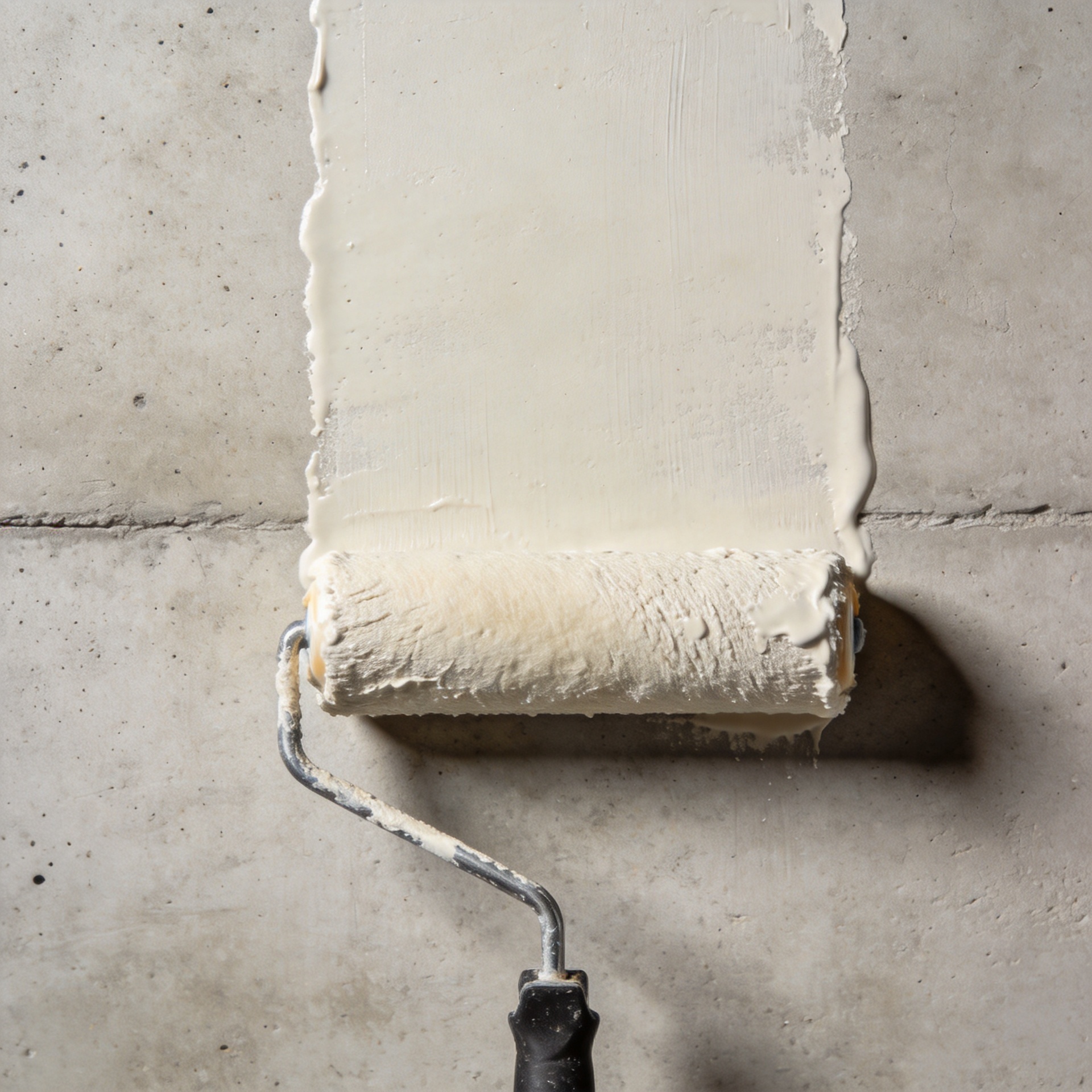
Acrylic coatings have established themselves as a premier choice for exposed roof waterproofing, exterior walls, and subterranean masonry protection. Formulated with high-grade elastomeric acrylic polymers, an Acrylic Water-Based Waterproof Coating cures into a seamless, highly flexible membrane capable of bridging hairline substrate movement. Unlike rigid cementitious mortars or solvent-heavy bitumen systems, liquid-applied acrylic coatings cure through simple water evaporation, creating a non-toxic, low-odor, and environmentally safe protective envelope. Engineering site trials demonstrate that elastomeric polymer networks effectively reflect solar radiation while resisting long-term degradation from ultraviolet light, dynamic weather exposure, and persistent standing moisture when properly applied. Understanding the elastomeric capabilities, thermal reflectivity, and curing mechanism of liquid acrylic membranes allows professional applicators and project engineers to maximize structural protection across diverse commercial, industrial, and residential building surfaces.
Achieving continuous long-term adhesion for an Acrylic Water-Based Waterproof Coating requires rigorous surface preparation prior to liquid application. The target substrate must be structurally sound, fully cured, dry, clean, and completely free from oil, grease, laitance, loose dust, efflorescence, and previous unstable paint layers. Concrete surfaces should be mechanically brushed, scarified, or high-pressure washed to open capillary pores, ensuring strong mechanical keying for the liquid membrane. Cracks wider than hairline dimensions must be routed out and filled with compatible elastomeric joint sealants or reinforced mesh fabric strips before broad coating deployment. Applying a dedicated diluted acrylic primer layer over porous masonry seals excessive substrate suction, stabilizes loose aggregate particles, and promotes a uniform wet-film thickness across the entire waterproofed area during subsequent topcoat application passes.
Consistency, proper mixing, and correct cross-linking thickness dictate the ultimate durability of any elastomeric liquid membrane. Before applying an Acrylic Water-Based Waterproof Coating, thoroughly mix the material pails using a low-speed mechanical stirrer until a smooth, homogenous liquid is achieved without introducing micro-air entrapment. Never add excess water beyond specified priming ratios, as over-thinning degrades the solid polymer content, reduces wet film build, and compromises overall film elasticity. Apply the coating in at least two uniform coats, using a stiff bristle brush, heavy-nap roller, or airless spray equipment. To eliminate pinholes, holidays, and weak spots, apply the second coat at right angles (perpendicular) to the first coat once the initial layer achieves a dry-to-touch state. Maintaining continuous wet-film thickness prevents micro-leaks across flat horizontal surfaces and parapet wall connections.
Ambient atmospheric conditions and surface temperatures play a decisive role in the drying time, film formation, and tensile properties of acrylic polymers. When applying an Acrylic Water-Based Waterproof Coating, ensure ambient and substrate temperatures remain between 5°C and 35°C during the entire application and multi-day curing cycle. Avoid applying liquid coatings under direct midday sunlight on overheated roof decks, in high relative humidity environments exceeding 85%, or when rain or heavy dew is forecasted within 24 hours of application. High relative humidity retards water evaporation, prolonging complete cure times, while freezing temperatures disrupt polymer film formation before complete chemical cross-linking occurs. Shielding freshly coated surfaces from direct moisture contamination guarantees the cured acrylic barrier attains its full tensile strength, crack-bridging flexibility, and adhesion capabilities.
Conducting systematic quality control checks post-application ensures reliable performance and early detection of potential application defects. Technical inspectors should visually audit the cured layer of Acrylic Water-Based Waterproof Coating for uniform thickness, complete coverage over internal corners, and the total absence of blistering, mud-cracking, or pinholes. At high-stress locations such as drain outlets, wall-to-floor junctions, pipe penetrations, and movement joints, embed a high-tensile non-woven polyester mesh into the wet first coat to provide mandatory structural reinforcement. Regular maintenance inspections every twelve months—removing organic leaf debris, clearing clogged roof drains, and touching up localized mechanical wear—will extend the operational performance of the acrylic elastomeric membrane for over a decade.
Under standard climate conditions (25°C and 50% relative humidity), each coat typically becomes dry-to-touch in 2 to 4 hours. It is recommended to wait at least 4 to 6 hours before applying the second coat perpendicular to the first layer to allow proper water evaporation.
The concrete substrate should be visually dry and free from standing water or active water leaks. While water-based acrylic coatings tolerate minor surface dampness better than solvent-based systems, excessive internal moisture can cause blistering, bubbling, or adhesion failure during curing.
For broad open flat surfaces, a standard two-coat liquid application is usually sufficient. However, embedding non-woven polyester mesh or fiberglass mesh at high-stress details—such as pipe flashings, expansion joints, and parapet wall joints—is strongly recommended to absorb structural movement.

2026/11/20
How an APP waterproof membrane handles heat: 130°C softening point, torch application windows, overheating signs, summer storage, and thermal aging checks.

2026/11/20
The science of a breathable waterproof membrane: water vapor diffusion, Sd values, three grammage grades, water column resistance, and wrong-use cases.

2026/11/20
Single-ply or two-ply, every flat roof is a stack. See how a self adhesive waterproof membrane for roof systems handles base, cap, insulation and drains.

2026/11/20
How the polyester scrim sets tensile strength and dimensional stability of reinforced TPO membrane rolls, with welding, roll sizes and selection tips.

2026/11/20
How an aluminum foil coated bitumen waterproof membrane reflects solar radiation, lowers surface temperature, and what maintenance keeps savings alive.

2026/11/20
SBS modified bitumen waterproof membrane property groups: tensile strength, low-temperature flexibility, heat resistance, surface finishes, applications.
Links to the corresponding full news page.

The eight questions overseas buyers ask most — factory ownership, capacity, batch consistency and lead times, answered straight.

SBS membranes, polymer sheets, coatings and geomembranes — six product lines are operating simultaneously.

Pre-sales specification, on-site technical support and post-delivery maintenance across 100+ export markets.

Waterproofing performance is decided in the specification and the detailing, not just the material. Our technical team helps you select the right system, resolve site questions as they arise, and stay reachable long after the container lands.
