 EN
APP Waterproof Membrane: High-Temperature Stability Guide
2026/11/20
How an APP waterproof membrane handles heat: 130°C softening point, torch application windows, overheating signs, summer storage, and thermal aging checks.

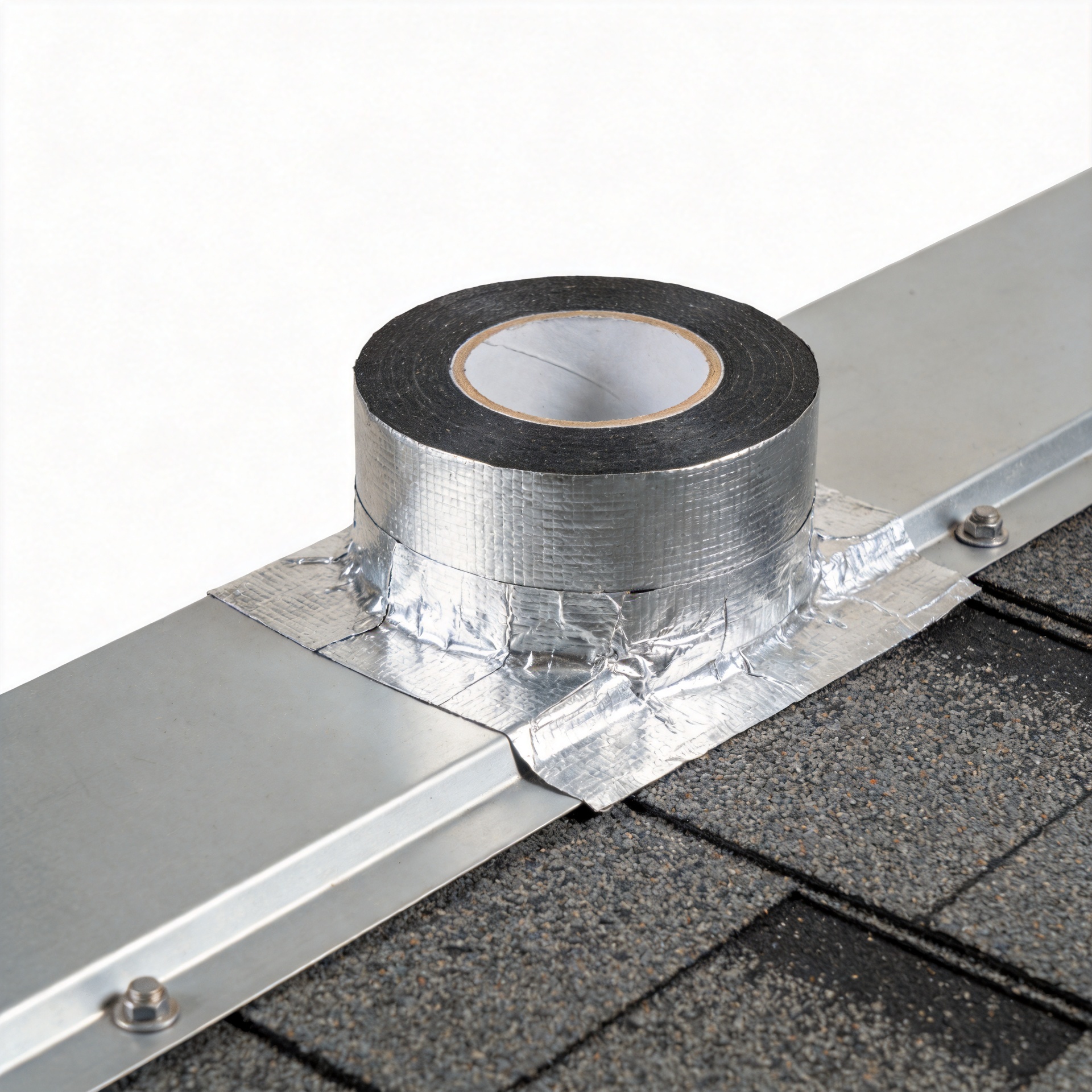
On commercial roof structures, water intrusion seldom starts in the center of an unobstructed field sheet. Most moisture damage originates at critical junctions where roofing elements meet, including parapet transitions, gutter seams, and pipe flashings. For professional roofing contractors, installing aluminum foil butyl rubber tape provides a durable, pressure-sensitive barrier across these high-risk areas. A roll of aluminum foil butyl rubber tape is engineered specifically to seal vulnerable transition seams without requiring open flames or hazardous solvents. However, achieving dependable protection requires understanding that aluminum foil butyl rubber tape is an engineered component rather than a generic fix for poorly prepared or moving substrates. When specified correctly, aluminum foil butyl rubber tape combines a conformable elastomeric core with a reflective metallic face to seal critical roofing details effectively. Contractors who understand the material characteristics of aluminum foil butyl rubber tape can prevent recurring callbacks and maintain structural weather tightness.
The core sealing performance of aluminum foil butyl rubber tape relies on the unique chemical properties of butyl rubber. Because the polymer backbone of butyl exhibits low unsaturation, aluminum foil butyl rubber tape resists oxidation, ozone degradation, and weathering far better than conventional rubber compounds. In addition, aluminum foil butyl rubber tape provides low gas permeability and excellent low-temperature elasticity, allowing the compound to remain pliable during winter months. When pressed onto a prepared roof substrate, aluminum foil butyl rubber tape flows microscopically into surface textures, creating an airtight and watertight bond. Nevertheless, the adhesive performance of aluminum foil butyl rubber tape depends on proper jobsite conditions. Installers must condition cold rolls before application, as stiff aluminum foil butyl rubber tape cannot wet the surface properly. Utilizing a silicone hand roller ensures that aluminum foil butyl rubber tape establishes complete molecular contact across metal flashing laps.
The exterior metallic facer of aluminum foil butyl rubber tape serves vital protective and reflective functions. By shielding the underlying butyl compound from direct ultraviolet radiation, the foil surface ensures that aluminum foil butyl rubber tape maintains its elasticity without drying or cracking. Furthermore, the reflective metallic surface of aluminum foil butyl rubber tape bounces solar radiant energy away from the building envelope, reducing localized thermal stress. On exposed commercial roofs, this bright reflective surface makes inspecting aluminum foil butyl rubber tape simple, allowing quality control managers to spot wrinkles, bridging, or edge lift quickly. Applying aluminum foil butyl rubber tape along gutters, exterior vents, and parapet edges provides a clean, professional finish. For optimal long-term adhesion, contractors must avoid sharp creasing that could tear the metallic facing of aluminum foil butyl rubber tape during installation.
Choosing between foil-faced and fabric-faced tapes depends entirely on the service exposure of the roofing detail. Selecting aluminum foil butyl rubber tape is ideal for fully exposed applications such as metal roof laps, exterior pipe collars, and perimeter flashings where continuous UV exposure occurs. The durable metallic barrier of aluminum foil butyl rubber tape withstands weathering without requiring a secondary liquid topcoat. In contrast, nonwoven fabric tapes suit concealed transitions where a liquid waterproofing membrane or cementitious mortar will be applied over the backing. While nonwoven tape facilitates coating adhesion, exposed installations demand the weather resistance of aluminum foil butyl rubber tape. Wholesalers and project specifiers must ensure that aluminum foil butyl rubber tape is not applied as a continuous bridge over dynamic structural expansion joints, as rigid foil backings cannot accommodate large joint movements.
Applying aluminum foil butyl rubber tape across critical waterproofing nodes requires methodical site preparation. When repairing metal flashing laps or small punctures, crews must clean loose rust, dust, and moisture before applying aluminum foil butyl rubber tape from the center outward to displace trapped air. At round pipe penetrations, installers should wrap overlapping bands of aluminum foil butyl rubber tape upward to create shingled water shedding rather than forcing flat strips across compound curves. On rooftop solar photovoltaic installations, aluminum foil butyl rubber tape provides a reliable weather seal around support brackets without blocking designated frame drainage weep holes. Sourcing a dependable aluminum foil butyl rubber tape ensures that metal-to-metal interfaces resist moisture intrusion caused by wind-driven rain.
Understanding the operational limits of different sealing technologies prevents premature roof failures. While aluminum bitumen tape suits asphalt repairs, it softens under intense summer heat, whereas aluminum foil butyl rubber tape maintains stable adhesion across wider temperature spectrums. Additionally, liquid silicone sealants perform well in narrow movement joints but cannot span broad lap seams like aluminum foil butyl rubber tape does. Specifying industrial aluminum foil butyl rubber tape delivers a wide, consistent sealing band that cures instantly without requiring setting time. Commercial contractors favor aluminum foil butyl rubber tape for rapid deployment on metal roofs, skylight curbs, and corrugated sheet transitions. Choosing a certified aluminum foil butyl rubber tape guarantees predictable peel adhesion and long-term joint integrity.
Securing consistent material quality requires partnering with experienced manufacturers who maintain strict production tolerances. Shandong Dingtai Waterproof Technology Co., Ltd. produces premium aluminum foil butyl rubber tape under the JinDingTai brand, ensuring consistent compound thickness and release liner release. Specifiers should evaluate aluminum foil butyl rubber tape based on nominal adhesive thickness, tensile strength, and low-temperature flexibility rather than price alone. Sourcing certified aluminum foil butyl rubber tape protects distributors from product warranty claims and ensures contractor satisfaction on complex commercial projects.
No, installing aluminum foil butyl rubber tape over damp or frosted surfaces prevents the adhesive from wetting the substrate, causing premature edge peeling. Always ensure the application area is completely clean and dry before applying aluminum foil butyl rubber tape.
High-grade aluminum foil butyl rubber tape utilizes synthetic butyl polymers that resist sagging and degradation up to eighty degrees Celsius. The reflective foil facing of aluminum foil butyl rubber tape reflects solar radiation, keeping the adhesive core cooler than standard black sealing tapes.
For standard corrugated metal roof laps, a fifty-millimeter or seventy-five-millimeter width of aluminum foil butyl rubber tape is recommended. Using appropriately sized aluminum foil butyl rubber tape ensures adequate coverage on both sides of the lap seam while preventing void formation.

2026/11/20
How an APP waterproof membrane handles heat: 130°C softening point, torch application windows, overheating signs, summer storage, and thermal aging checks.

2026/11/20
The science of a breathable waterproof membrane: water vapor diffusion, Sd values, three grammage grades, water column resistance, and wrong-use cases.

2026/11/20
Single-ply or two-ply, every flat roof is a stack. See how a self adhesive waterproof membrane for roof systems handles base, cap, insulation and drains.

2026/11/20
How the polyester scrim sets tensile strength and dimensional stability of reinforced TPO membrane rolls, with welding, roll sizes and selection tips.

2026/11/20
How an aluminum foil coated bitumen waterproof membrane reflects solar radiation, lowers surface temperature, and what maintenance keeps savings alive.

2026/11/20
SBS modified bitumen waterproof membrane property groups: tensile strength, low-temperature flexibility, heat resistance, surface finishes, applications.
Links to the corresponding full news page.

The eight questions overseas buyers ask most — factory ownership, capacity, batch consistency and lead times, answered straight.

SBS membranes, polymer sheets, coatings and geomembranes — six product lines are operating simultaneously.

Pre-sales specification, on-site technical support and post-delivery maintenance across 100+ export markets.

Waterproofing performance is decided in the specification and the detailing, not just the material. Our technical team helps you select the right system, resolve site questions as they arise, and stay reachable long after the container lands.
