 EN
APP Waterproof Membrane: High-Temperature Stability Guide
2026/11/20
How an APP waterproof membrane handles heat: 130°C softening point, torch application windows, overheating signs, summer storage, and thermal aging checks.

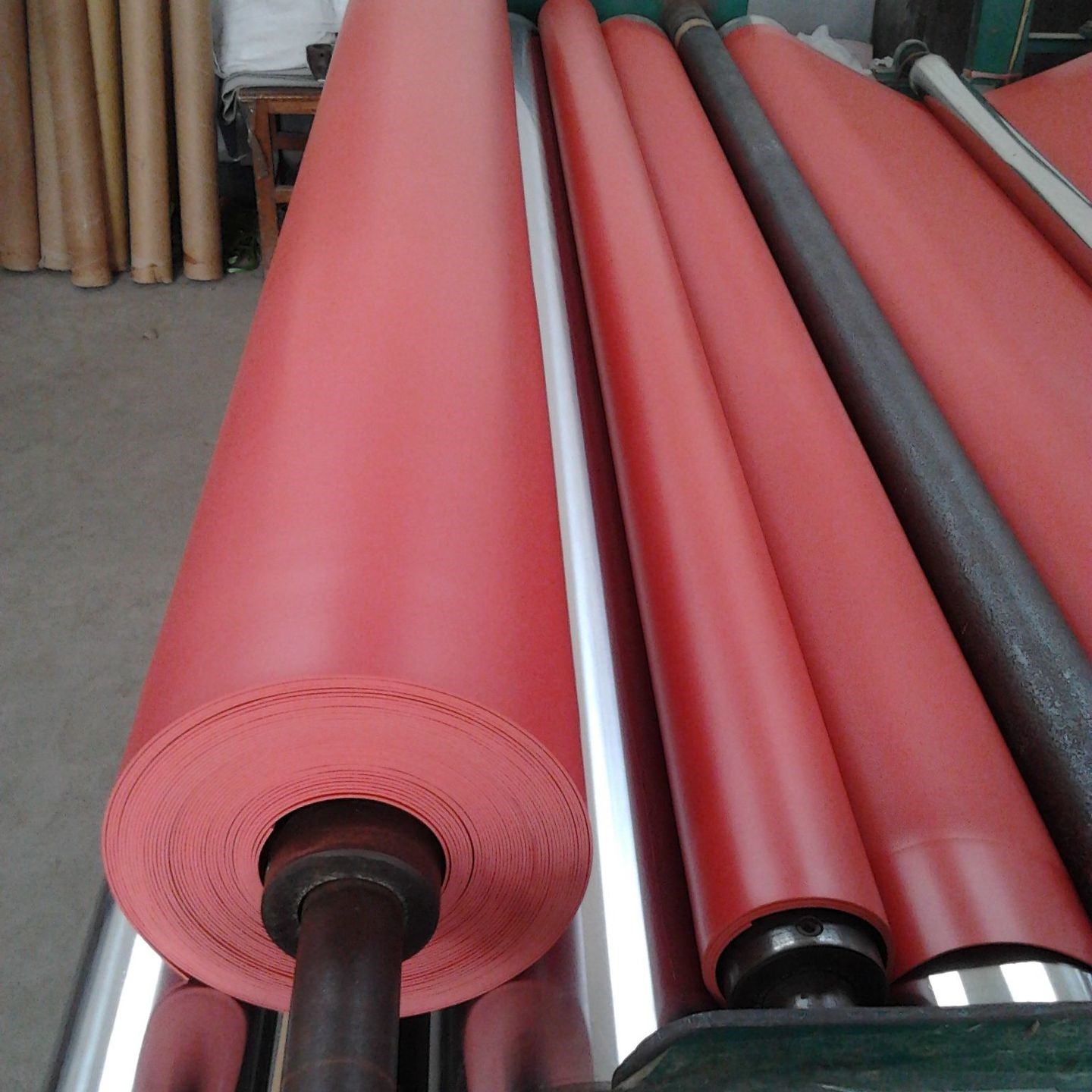
Barefoot surfaces change the job description of a waterproofing sheet. In these spaces the membrane must hold water back, weld into a continuous lining, and still give feet a fair chance against a film of water on the floor. That third job is why surface texture belongs in the specification alongside compound and thickness — whether the sheet is homogeneous or fleece-backed — when the drawing calls for an anti-slip textured PVC waterproof membrane.
A smooth wet floor is slippery for a physical reason: water forms a continuous film between skin and surface, and the film carries shear instead of friction. A textured surface interrupts that film. The raised pattern breaks the water into discontinuous patches and preserves direct contact zones underfoot, which is why texture is the standard engineering answer wherever slip resistance must survive splashes, standing water and cleaning agents in wet areas. On this sheet the pattern is part of the surface itself, not a coating laid over it, so the grip — and with it the declared slip resistance — cannot peel or wear away separately from the waterproofing layer underneath.
Texture needs a compound behind it, and the published data describes it for an anti-slip textured PVC waterproof membrane. Type H is homogeneous plasticized PVC: unreinforced and uniform through the body, produced at 1.2, 1.5, 1.8 and 2.0 mm, in widths of 1.0 m to 2.0 m and rolls of 15 m or 20 m. Declared values: tensile strength of at least 200 N/50 mm to EN 12311-2, elongation at break of at least 250%, dimensional stability within 2.0% to EN 1107-2, low-temperature flexibility at −25°C to EN 495-5, heat resistance at 70°C, and water tightness at 60 kPa to EN 1928. Chemical resistance covers dilute acids, alkalis and sewage — the everyday milieu of treated pools and cleaning regimes in wet areas. The declared standards for Type H are EN 13956 and GB 12952.
Homogeneous sheet answers complex geometry: 250% elongation and no fabric inside let it stretch over coves, channels and corners without bridging. The alternative structure is a fleece-backed sheet — Type L — where a 150–200 g/m² polyester fleece is laminated under the PVC, lifting tensile strength to at least 700 N/50 mm and bonding with PU adhesive at a declared peel strength of at least 100 N/50 mm. Each structure also installs differently, and the difference decides the adhesive and seam plan before a roll is opened. Choose homogeneous for formed and fitted linings; choose the fleece-backed build where full-surface adhesion must carry load — and remember the texture, not the structure, delivers the slip resistance.
Changing rooms, pool surrounds, accessible showers and ramps are the classic wet areas: barefoot traffic, water carried out of the basin on skin and towels, and cleaning chemicals on a fixed schedule. An anti-slip textured PVC waterproof membrane suits these floors because one sheet delivers the lining and the working surface together; seams are hot-air welded with a minimum 40 mm overlap, so there is no adhesive bond line underfoot to creep or peel. Specify texture where feet travel and keep smooth sheet for walls where grip is not the issue. On a municipal pool refurbishment last year, the contractor lined the changing-room floor and the ramp to the shallow end in a single Type H specification, welded on site, and handed over a floor that passed the water test and the operator's slip resistance expectation.
Confirm five things. Texture: ask for the pattern and its consistency across the roll, because grip lives in regular geometry. Thickness: choose from the published 1.2 to 2.0 mm range of Type H against traffic and substrate condition. Weldability: confirm the texture welds cleanly at laps on the chosen homogeneous or fleece-backed sheet. Chemistry: match the declared resistance to dilute acids and alkalis against the cleaning agents actually used in the wet areas. Documents: require the EN 13956 and GB 12952 declarations with batch test reports. Note what the data does not contain: no universal grip rating is published, so slip resistance is settled by sample approval.
Grip fails first at edges. Turn sheets up at walls, weld every lap at the declared 40 mm minimum, and keep the textured face to the traffic side throughout. Probe the seams after welding, and keep seam records with the batch documents so the floor traces back to its certificates. A textured lining is only as good as its weakest meter — almost always an unfinished detail in the wet areas.
No. Water tightness is declared on the compound at 60 kPa to EN 1928 for Type H and the fleece-backed Type L alike, and an anti-slip textured PVC waterproof membrane keeps those declared values; the texture changes surface geometry, not the body of the sheet. Slip resistance and sealing are separate declared properties; check each on its own line of the data sheet.
Yes, by structure. Type L exists for fully adhered work — PU adhesive at a declared peel strength of at least 100 N/50 mm — while an anti-slip textured PVC waterproof membrane of the homogeneous build is normally hot-air welded into one continuous lining.
No rating of that kind appears in the published data, so none should be written into a specification. Verify slip resistance through the operator's own rules for the wet areas it will serve, approve a physical sample of the texture before installation, and confirm in writing that the anti-slip textured PVC waterproof membrane meets the sample once batches arrive.

2026/11/20
How an APP waterproof membrane handles heat: 130°C softening point, torch application windows, overheating signs, summer storage, and thermal aging checks.

2026/11/20
The science of a breathable waterproof membrane: water vapor diffusion, Sd values, three grammage grades, water column resistance, and wrong-use cases.

2026/11/20
Single-ply or two-ply, every flat roof is a stack. See how a self adhesive waterproof membrane for roof systems handles base, cap, insulation and drains.

2026/11/20
How the polyester scrim sets tensile strength and dimensional stability of reinforced TPO membrane rolls, with welding, roll sizes and selection tips.

2026/11/20
How an aluminum foil coated bitumen waterproof membrane reflects solar radiation, lowers surface temperature, and what maintenance keeps savings alive.

2026/11/20
SBS modified bitumen waterproof membrane property groups: tensile strength, low-temperature flexibility, heat resistance, surface finishes, applications.
Links to the corresponding full news page.

The eight questions overseas buyers ask most — factory ownership, capacity, batch consistency and lead times, answered straight.

SBS membranes, polymer sheets, coatings and geomembranes — six product lines are operating simultaneously.

Pre-sales specification, on-site technical support and post-delivery maintenance across 100+ export markets.

Waterproofing performance is decided in the specification and the detailing, not just the material. Our technical team helps you select the right system, resolve site questions as they arise, and stay reachable long after the container lands.
