 EN
APP Waterproof Membrane: High-Temperature Stability Guide
2026/11/20
How an APP waterproof membrane handles heat: 130°C softening point, torch application windows, overheating signs, summer storage, and thermal aging checks.

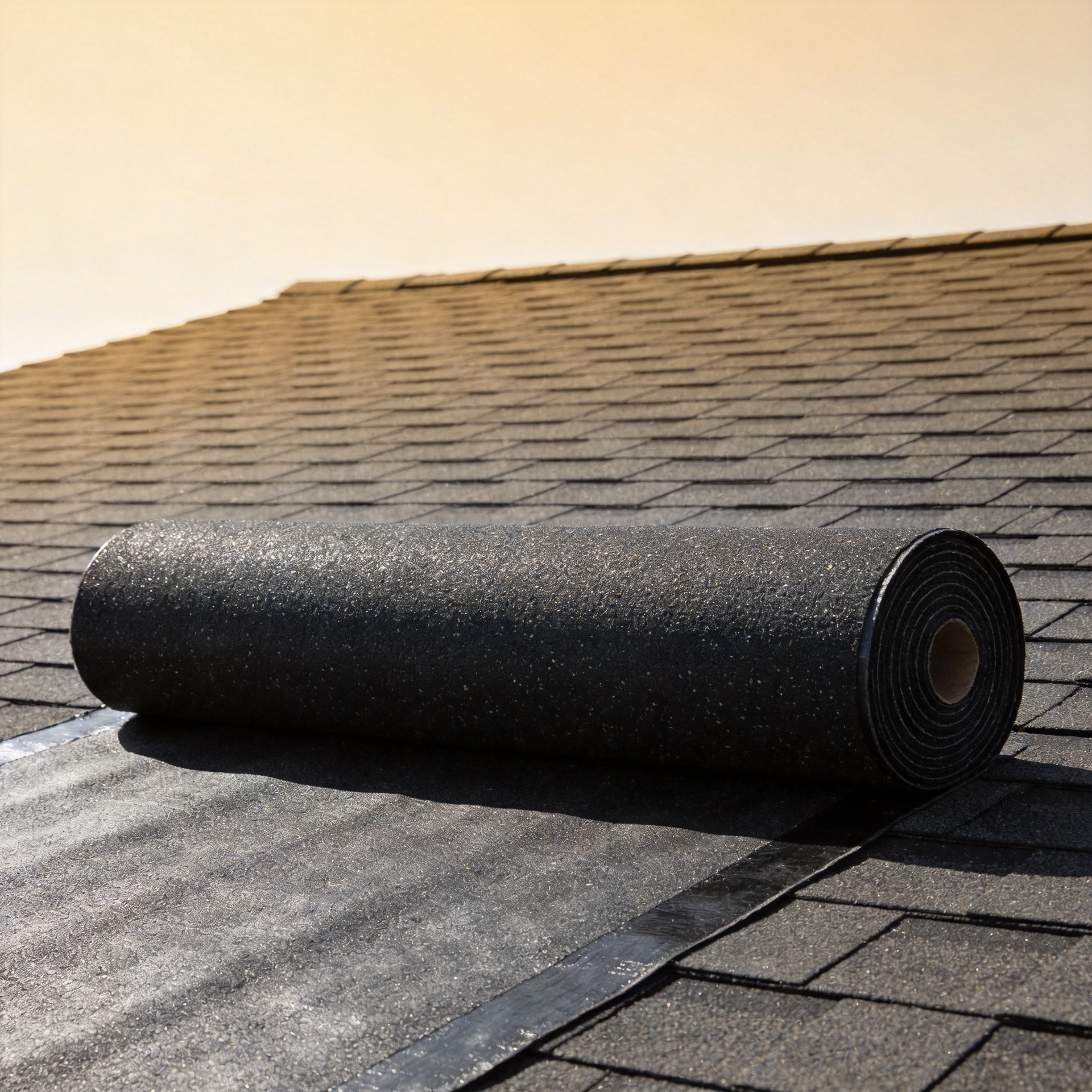
Summer turns a dark roof into a different material environment from the one on the datasheet. Roof surface temperature climbs above air temperature, the sheet expands, and rain can arrive while the deck is still hot. APP waterproof membrane heat resistance is specified for that condition, and the softening point published for the compound sets the margin. This article explains how heat ageing acts on the sheet, what is traded away on the cold side, and how surface finish changes that peak.
The figure comes from a laboratory test that records when a compound stops behaving as a solid under load. For this APP range the published softening point reaches 130°C, far above any air temperature the roof will meet. The margin is the point: a compound that softens near that temperature will flow and thin at the laps. Atactic polypropylene raises the threshold, so app waterproof membrane heat resistance rests on a gap rather than a single reading. On an unshaded dark roof, surface heat is what tests that gap, and heat ageing starts wherever the margin runs thin.
Air temperature is what the weather report gives. Roof surface temperature is what the membrane experiences, and the two diverge on a dark deck: a bituminous surface absorbs radiation and re-radiates slowly, so it runs hotter through the middle of the day, and the gap widens when wind drops. That gap matters twice. The compound spends hours in a band a temperate roof does not reach, and a summer shower can drop the surface within minutes. Oxidation accelerates with every hour above that band, which is why app waterproof membrane heat resistance is a climate specification rather than a generic claim. The softening point alone does not describe that cycle.
Heat ageing is the slow version: bitumen oxidises, the surface hardens and chalks, and the elastic reserve declines year by year. Flow appears first at lap edges, upstands, and parapet toes. Blistering is a different failure, often blamed on the compound when the cause is moisture trapped under the sheet, expanding as the sun heats the deck. Both argue for headroom and a dry deck before the torch; heat ageing rarely causes blistering. In practice app waterproof membrane heat resistance is judged at those details, not mid-field, and a higher softening point cannot rescue a wet substrate. Roof surface temperature at a lap edge is where the evidence appears first.
Heat resistance and cold flexibility pull in opposite directions. This APP range is rated at -5°C or -10°C, with tensile strength at or above 600 N/50mm and elongation at or above 25%. An SBS sheet reaches -25°C, but its heat resistance sits at 90°C. The cold number still matters: desert nights test the sheet that baked in summer. Heat ageing and cold cracking are two ends of one specification, so app waterproof membrane heat resistance should be read with the low-temperature figure. A softening point quoted alone hides that trade, and roof surface temperature data from the site completes the picture.
Surface finish changes the thermal load before the compound has to resist it. A mineral or sand surfacing adds a light granular layer that reflects part of the solar spectrum and keeps the bitumen cooler than a film-faced sheet. Aluminium foil goes further, reflecting radiation and lowering the surface temperature that drives softening and oxidation. A reflective coating over the finished roof does a similar job and can be renewed. None of these replaces a compound rated for the climate, but each lowers the daily peak that app waterproof membrane heat resistance must absorb. Roof surface temperature is the number to measure before and after, heat ageing is what the reduction buys, and the softening point is the reference that sets the target.
Humid heat brings moisture into the assembly, and moisture turns a warm roof into a blistered one. Vapour from a wet screed expands under solar gain and finds a weak point at a lap, where roof surface temperature peaks. Venting layers, dry substrates, and careful detailing matter more in the humid tropics than in a desert. Damp insulation holds underside temperature high while the top cools at night. In that environment app waterproof membrane heat resistance is only half the specification; the other half is a dry deck and a softening point with headroom.
One project team met this on a warehouse in a hot coastal city, where the roof had been laid over a curing screed. Within two summers the laps had blistered while the field stayed sound. The replacement used a dry deck, a foil-faced sheet, and the same 130°C compound, which has resisted heat ageing since. Midday roof surface temperature stayed low enough that the sheet has held its profile in service.
No. A softening point describes a laboratory condition, not a service limit. It shows the headroom above realistic roof temperatures; the margin matters more than the number.
Not in every case. APP leads on the high side, but its cold-side flexibility stops at -5°C or -10°C. Where winter minima are severe, an SBS sheet at -25°C may be safer, and app waterproof membrane heat resistance alone should not decide the order.
A coating lowers peak roof surface temperature and slows further heat ageing, but it cannot restore a compound that has already flowed. Where laps have thinned, the repair is replacement of the affected area, not a recoat.

2026/11/20
How an APP waterproof membrane handles heat: 130°C softening point, torch application windows, overheating signs, summer storage, and thermal aging checks.

2026/11/20
The science of a breathable waterproof membrane: water vapor diffusion, Sd values, three grammage grades, water column resistance, and wrong-use cases.

2026/11/20
Single-ply or two-ply, every flat roof is a stack. See how a self adhesive waterproof membrane for roof systems handles base, cap, insulation and drains.

2026/11/20
How the polyester scrim sets tensile strength and dimensional stability of reinforced TPO membrane rolls, with welding, roll sizes and selection tips.

2026/11/20
How an aluminum foil coated bitumen waterproof membrane reflects solar radiation, lowers surface temperature, and what maintenance keeps savings alive.

2026/11/20
SBS modified bitumen waterproof membrane property groups: tensile strength, low-temperature flexibility, heat resistance, surface finishes, applications.
Links to the corresponding full news page.

The eight questions overseas buyers ask most — factory ownership, capacity, batch consistency and lead times, answered straight.

SBS membranes, polymer sheets, coatings and geomembranes — six product lines are operating simultaneously.

Pre-sales specification, on-site technical support and post-delivery maintenance across 100+ export markets.

Waterproofing performance is decided in the specification and the detailing, not just the material. Our technical team helps you select the right system, resolve site questions as they arise, and stay reachable long after the container lands.
