 EN
APP Waterproof Membrane: High-Temperature Stability Guide
2026/11/20
How an APP waterproof membrane handles heat: 130°C softening point, torch application windows, overheating signs, summer storage, and thermal aging checks.

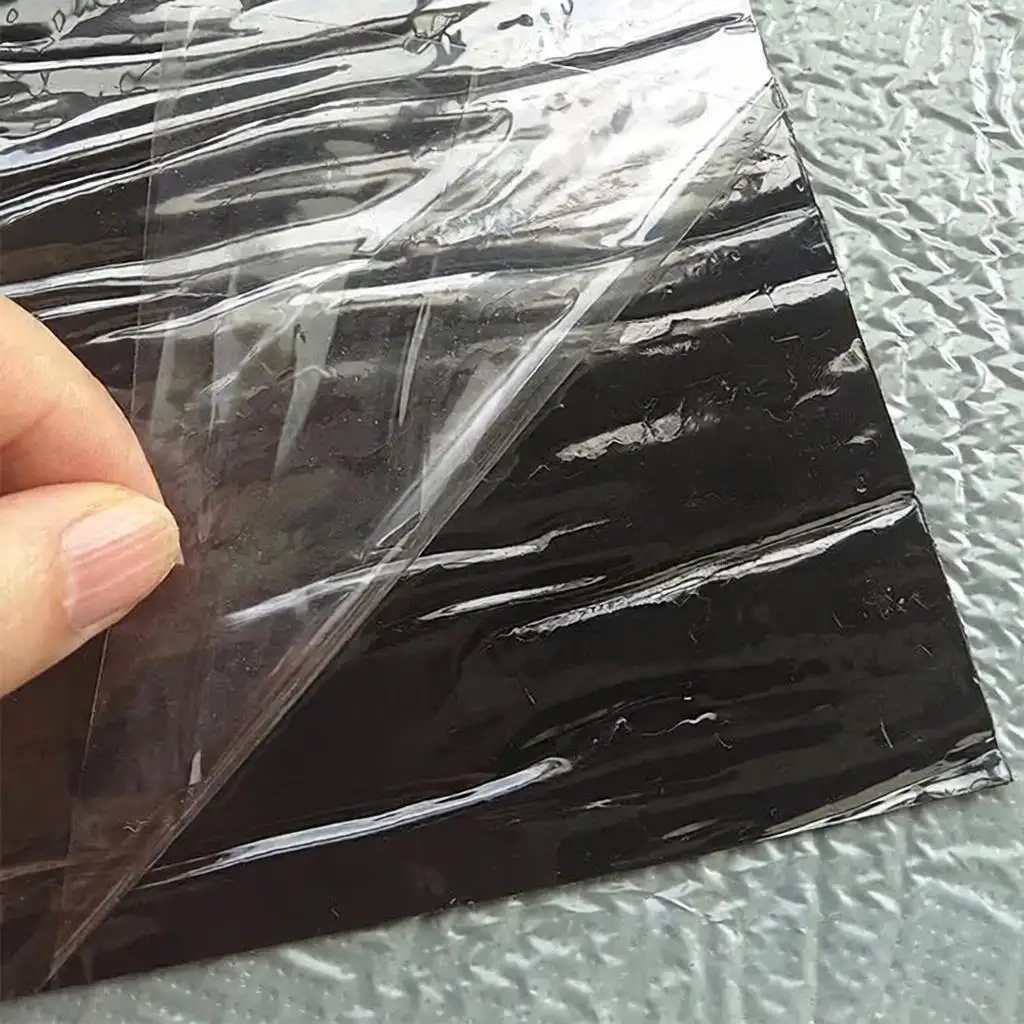
Two crews can install the same sheet and produce two different roofs. The app modified bitumen waterproof membrane is built to accept either flame or adhesive, and the choice between them turns on the detail being covered, the season, and the permit regime on site. This comparison stays on that decision; the material is settled once the grade is chosen.
The compound decides the options. APP, atactic polypropylene, lifts the softening point of the bitumen to at least 130°C, which is why the sheet resists flow on an exposed tropical roof. That heat resistance also shapes installation: the membrane needs more heat to fuse than an SBS sheet, and the polymer tolerates that heat without degrading.
The cold end is explicit too. Low-temperature flexibility is published at -5°C or -10°C, which places the product in hot and temperate climates rather than severe cold. That combination, a high softening point with modest cold flexibility, is why the app modified bitumen waterproof membrane suits both flame and adhesive rather than one route only.
Torch-on remains the default for large, open, flat areas. The flame melts a thin layer of compound at the underside and at the lap, and the sheet bonds to the primed substrate and to the previous roll in one movement. On a 3mm or 4mm sheet with polyester reinforcement, that produces a continuous, void-free layer with 80–100mm side laps. Every such day begins with a hot work permit, a fire watch, and a dry substrate check.
The published tensile strength of at least 600 N/50mm and elongation of at least 25 percent belong to the sheet rather than the method, yet the method decides whether those numbers survive. A torch-on lap heated properly fuses into one layer; a lap overheated burns the compound and leaves a brittle line. Working temperature sits close to that limit, which is why the operator matters as much as the softening point.
A cold-applied adhesive replaces the flame with a bonding compound applied to the substrate or to the sheet, and the lap is closed by pressure. This removes the ignition source, the gas cylinder, and the fire watch, which matters in occupied buildings and enclosed spaces.
It also changes the paperwork, which often sets the schedule. A hot work permit, a fire watch, and an evacuation plan are not needed for a cold-applied adhesive, and above a trading floor that difference can decide the programme. The app modified bitumen waterproof membrane is the same product; the bond line, the tools, the sign-off, and the inspection record are not. What the permit buys is a method statement, a fire watch, and a trained operator, while the adhesive route buys a coverage record instead.
Most failures are detail failures rather than sheet failures. Parapets, upstands, and penetrations concentrate stress and restrict tool access; a torch in a 200mm upstand is awkward and easy to overheat, while a cold-applied adhesive can be brushed into the same corner with control.
A supermarket refurbishment in Southeast Asia kept the sales floor trading while the roof was replaced. The hot work permit and fire watch ruled out flame above the shop, so the crew used the adhesive route there and torch-on across the open rear roof. Either way the app modified bitumen waterproof membrane was only as good as the lap that joined the two.
Weather decides more jobs than drawings do. Flame work continues in cold weather as long as the substrate is dry and the rolls are stored warm, because the flame supplies the heat the compound needs. Adhesive work slows below its minimum application temperature and stops in rain.
Wind is the other constraint. A flame in gusty conditions is a risk to crew and sheet, and most sites stop torch-on above a stated wind speed, which is where a hot work permit becomes a schedule item rather than a formality. The programme usually moves before the crew does. Read the softening point and the adhesive data together, then match the method to the app modified bitumen waterproof membrane already specified.
Four questions settle most projects. Is the area open and accessible? If yes, torch-on is faster and cheaper per square metre. Is the building occupied, or the space enclosed? If yes, a cold-applied adhesive removes the hot work permit and the fire watch. Is the detail tight, with many penetrations and upstands? If yes, adhesive gives the crew control. Is the season wet, windy, or near freezing? Then the answer may be a split: flame on the open field, adhesive at the details.
Splitting is legitimate if the junction is a lap and the same app modified bitumen waterproof membrane grade is used on both sides. Mixing grades is where a split method turns into a warranty argument, and a cold-applied adhesive at the details needs the same primer as the field. Where the field is flame, the hot work permit covers the field and not the detail. The softening point on the datasheet covers both routes, because it belongs to the compound.
Yes. The same roll can be laid either way, and the sheet accepts both. What changes is the bond line, the tools, and the paperwork.
Neither, if both are executed properly. A cold-applied adhesive spread too thin fails sooner than a well-fused lap, and an overheated lap sooner than a brushed one.
Yes, and the softening point still governs performance in service. The method does not alter heat resistance, so the grade matters more than the route.

2026/11/20
How an APP waterproof membrane handles heat: 130°C softening point, torch application windows, overheating signs, summer storage, and thermal aging checks.

2026/11/20
The science of a breathable waterproof membrane: water vapor diffusion, Sd values, three grammage grades, water column resistance, and wrong-use cases.

2026/11/20
Single-ply or two-ply, every flat roof is a stack. See how a self adhesive waterproof membrane for roof systems handles base, cap, insulation and drains.

2026/11/20
How the polyester scrim sets tensile strength and dimensional stability of reinforced TPO membrane rolls, with welding, roll sizes and selection tips.

2026/11/20
How an aluminum foil coated bitumen waterproof membrane reflects solar radiation, lowers surface temperature, and what maintenance keeps savings alive.

2026/11/20
SBS modified bitumen waterproof membrane property groups: tensile strength, low-temperature flexibility, heat resistance, surface finishes, applications.
Links to the corresponding full news page.

The eight questions overseas buyers ask most — factory ownership, capacity, batch consistency and lead times, answered straight.

SBS membranes, polymer sheets, coatings and geomembranes — six product lines are operating simultaneously.

Pre-sales specification, on-site technical support and post-delivery maintenance across 100+ export markets.

Waterproofing performance is decided in the specification and the detailing, not just the material. Our technical team helps you select the right system, resolve site questions as they arise, and stay reachable long after the container lands.
