 EN
APP Waterproof Membrane: High-Temperature Stability Guide
2026/11/20
How an APP waterproof membrane handles heat: 130°C softening point, torch application windows, overheating signs, summer storage, and thermal aging checks.

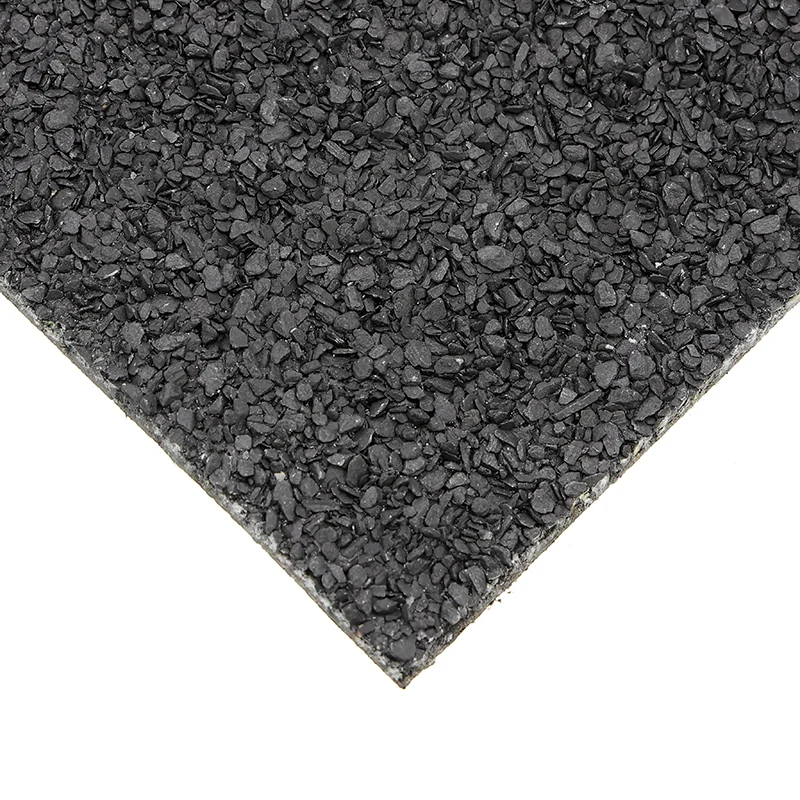
Modified bitumen comes in two polymer families, and the choice between them is mostly a choice of climate. This guide covers the APP side: what atactic polypropylene does to the asphalt, how to pick among the published 3 mm, 4 mm and 5 mm thicknesses, which surface finish — PE film, mineral sand or aluminum foil — suits which exposure, and where a torch-applied APP waterproof membrane outperforms the alternatives.
Blending atactic polypropylene into bitumen builds a plastomeric network inside the asphalt. The published result is a softening point of at least 130°C, which is why an APP modified bitumen sheet does not flow, blister or slump on a roof that sits in direct sun through a tropical summer. Standard oxidized bitumen softens far earlier; the modified compound holds its shape under sustained heat and keeps low creep under load. UV stability is engineered into the compound as well, resisting the photo-oxidation that cracks unmodified asphalt prematurely. That is why an APP waterproof membrane is judged first on heat-related numbers: thermal behavior, dimensional stability, and how the compound ages under radiation.
Climate picks the polymer. APP modified bitumen is the hot-climate choice, because its 130°C softening point holds under solar load whether the sheet carries granules or an aluminum foil cap; SBS holds the advantage in cold regions, staying flexible to −25°C where APP is declared at −5°C to −10°C. Reinforcement, thickness and surface all come second to that first decision: get the climate call right and the specification falls into place. On a hot-climate shortlist, an APP waterproof membrane and an SBS sheet are rarely true substitutes.
The published range comes in 3 mm, 4 mm and 5 mm on a 1 m × 10 m roll. The declared mechanical figures — tensile strength of at least 600 N/50 mm and elongation at break of at least 25% — hold across the thicknesses, so the choice is not about strength on paper: thickness buys bitumen mass. More compound between the reinforcement and the surface means a larger working margin against puncture in service and against thin spots during torch-applied installation, while the softening point itself does not change with thickness. As site practice, a 3 mm sheet suits sound decks with tight budgets on secondary areas, 4 mm is the general-purpose roof build, and 5 mm is reserved for the most exposed or trafficked decks. Whatever the choice, an APP waterproof membrane contract should state the thickness explicitly rather than leave it to the crew.
Three surface finishes are published. A polyethylene film face suits layers that will be covered or overlapped, and fuses quickly under the flame. Mineral sand surfacing is the exposed finish, shielding the compound from radiation and standing up to maintenance traffic. The third finish, aluminum foil bonded as a cap, does double duty in hot climates: it protects the bitumen and reflects radiant heat, easing the load on a compound whose softening point already sits at 130°C and cutting the temperature the whole assembly endures — an energy benefit for air-conditioned buildings. Each finish fuses the same way, whichever installation route the site uses. Match the finish to the exposure of the APP waterproof membrane: sand or aluminum foil where the sheet is the final layer, PE film where another layer or protection follows.
Reinforcement is a polyester mat or a fiberglass mat; polyester brings elongation, fiberglass brings dimensional stiffness, and either ships inside the same APP modified bitumen compound. Installation is torch-applied roofing: the roll is fused onto a clean, primed substrate with steady torch movement, laps held at 80–100 mm and pressed fully so the compound bonds through into one continuous sheet. Where sites restrict open flame, cold-adhesive application works with the same product, so the specification does not change between buildings with different fire rules. Once cooled, the layer is fully bonded and dimensionally stable.
Low-slope commercial and industrial roofs in hot regions are the natural territory for APP modified bitumen: warehouses, logistics halls, factories and retail decks where summer surface temperatures would soften lesser bitumens. Declared service life in properly designed systems is twenty years and beyond in hot regions — the softening point is the number behind it. On a logistics warehouse reroof in a coastal hot-arid region last year, the contractor replaced an unmodified roll that had slumped at the eaves with a 4 mm sand-finished APP waterproof membrane installed by torch-applied fusion; the client weighed an aluminum foil cap against the sand finish and chose sand for the service traffic. The deck passed its first summer at peak heat with no re-flow at the laps, and the maintenance calls stopped.
Yes where the site requires it. Cold-adhesive application bonds the APP waterproof membrane to the same primed substrate, while torch-applied work remains the primary method where flame is permitted.
Because summer roof surfaces in hot regions reach temperatures that re-soften ordinary bitumen. Above that threshold the sheet holds its shape under sustained solar load instead of flowing at the laps or blistering across the field of the roof.
Mineral sand where maintenance traffic dominates, an aluminum foil cap where heat reflection and lower cooling loads are wanted. Both are fused in torch-applied work on an APP modified bitumen roof, and the heat rating holds beneath any of the published finishes.

2026/11/20
How an APP waterproof membrane handles heat: 130°C softening point, torch application windows, overheating signs, summer storage, and thermal aging checks.

2026/11/20
The science of a breathable waterproof membrane: water vapor diffusion, Sd values, three grammage grades, water column resistance, and wrong-use cases.

2026/11/20
Single-ply or two-ply, every flat roof is a stack. See how a self adhesive waterproof membrane for roof systems handles base, cap, insulation and drains.

2026/11/20
How the polyester scrim sets tensile strength and dimensional stability of reinforced TPO membrane rolls, with welding, roll sizes and selection tips.

2026/11/20
How an aluminum foil coated bitumen waterproof membrane reflects solar radiation, lowers surface temperature, and what maintenance keeps savings alive.

2026/11/20
SBS modified bitumen waterproof membrane property groups: tensile strength, low-temperature flexibility, heat resistance, surface finishes, applications.
Links to the corresponding full news page.

The eight questions overseas buyers ask most — factory ownership, capacity, batch consistency and lead times, answered straight.

SBS membranes, polymer sheets, coatings and geomembranes — six product lines are operating simultaneously.

Pre-sales specification, on-site technical support and post-delivery maintenance across 100+ export markets.

Waterproofing performance is decided in the specification and the detailing, not just the material. Our technical team helps you select the right system, resolve site questions as they arise, and stay reachable long after the container lands.
