 EN
APP Waterproof Membrane: High-Temperature Stability Guide
2026/11/20
How an APP waterproof membrane handles heat: 130°C softening point, torch application windows, overheating signs, summer storage, and thermal aging checks.

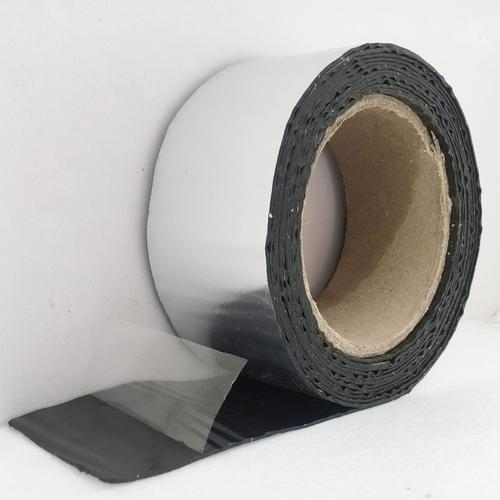
Small hairline fractures in a concrete roof deck, parapet wall, or basement slab rarely stay small for long once seasonal rain and freeze-thaw cycles set in. Through years of direct factory manufacturing and technical support for commercial building maintenance crews, our specialists have seen how delayed crack repairs lead to rusted structural rebar, damaged interior ceilings, and costly facility shutdowns. When property managers and contractors keep rolls of Bitumen Crack Sealing Tape: Repairing Concrete and Roofs on hand, they can seal vulnerable structural gaps the moment they appear. Unlike liquid sealants that require messy mixing, multiple coats, and dry curing weather, or torch-applied membranes that require open flames and specialized gas equipment, cold-applied self-adhesive tape offers an immediate watertight barrier. Across industrial warehouses, residential skylights, and municipal concrete structures, deploying a factory-engineered Bitumen Crack Sealing Tape: Repairing Concrete and Roofs solution transforms a complex waterproofing emergency into a clean, reliable, one-step maintenance task.
Understanding why a professional Bitumen Crack Sealing Tape: Repairing Concrete and Roofs product outperforms hardware-store duct tape starts with its internal material science and precise factory dimensions. Our CE-certified waterproof tape is formulated around a high-grade SBS polymer-modified bitumen adhesive core that remains permanently flexible and pressure-sensitive. This elastic asphalt compound is topped with a tough polyethylene film surface or protective foil backing, while the underside is protected by an easy-peel silicone release liner until the moment of installation. To match real-world structural detailing without wasting material, our factory produces this tape in a standardized 1.2mm thickness, with customizable roll widths ranging from 50mm to 300mm and roll lengths from 7.5m to 20m . You can think of this 1.2mm SBS modified bitumen layer as a dense, rubberized cushion that flows into microscopic concrete pores when pressed down, locking tightly onto concrete, metal flashing, wood, glass, or rigid plastic pipes without cracking or peeling away when the building expands and contracts.
Achieving a permanent bond with Bitumen Crack Sealing Tape: Repairing Concrete and Roofs requires zero open fire or complex machinery, provided installers follow basic surface preparation rules. First, the maintenance technician must sweep and wipe the damaged concrete crack, roof ridge, or pipe penetration so that the substrate is completely dry and free of loose dust, grease, or flaking mortar. Next, simply unroll the required length, cut the strip with standard utility scissors, and peel back the bottom release film to expose the tacky SBS modified bitumen compound. As the installer aligns and presses the Bitumen Crack Sealing Tape: Repairing Concrete and Roofs strip directly over the fracture or lap joint, rolling a firm hand roller across the top polyethylene film surface squeezes out trapped air bubbles. This simple downward pressure activates the cold-applied self-adhesive compound, creating an instant, seamless seal across flat concrete decks, vertical wall corners, skylight frames, and metal roof fasteners.
Civil engineering maintenance guidelines and European CE waterproofing standards emphasize that structural cracks are rarely static; they widen and narrow daily as ambient temperatures fluctuate . Building envelope consultants consistently warn against patching dynamic roof seams or concrete expansion joints with brittle cement mortar or rigid epoxy, which inevitably fracture again during the very next seasonal temperature shift. By specifying an elastomeric Bitumen Crack Sealing Tape: Repairing Concrete and Roofs system, facility engineers introduce a flexible bridge capable of absorbing minor substrate movement while maintaining complete water impermeability. Furthermore, in industrial plants, chemical storage warehouses, or timber roof renovations where safety codes strictly prohibit propane torches and open flames, cold-applied self-adhesive bitumen tape serves as the authoritative, code-compliant flashing method for sealing membrane overlaps, gutter joints, and complex pipe penetrations.
Sourcing your Bitumen Crack Sealing Tape: Repairing Concrete and Roofs directly from an established waterproof material manufacturer guarantees consistent adhesive tack and long-term weather durability. Many low-cost repair tapes on the market use unrefined asphalt diluted with heavy mineral fillers, which quickly dry out, lose their grip on vertical concrete walls, and turn brittle after a single winter. In our factory production lines, strict raw material testing ensures that every 1.2mm thick roll retains high polymer saturation, strong peel adhesion, and reliable resistance against water pooling and thermal aging. Whether a distributor needs narrow 50mm strips for window flashing and screw heads, or wide 300mm rolls in 7.5m to 20m lengths for broad concrete slab joints and main roof membrane laps, factory-direct customization ensures exact project compatibility . Combining transparent manufacturing standards with effortless peel-and-stick installation gives contractors and building owners a trustworthy, cost-effective defense against structural water damage.
In addition to poured concrete slabs and cement mortar walls, a genuine Bitumen Crack Sealing Tape: Repairing Concrete and Roofs roll bonds tightly to galvanized steel roofing, aluminum gutters, skylights, PVC drainage pipes, timber sheathing, and existing asphalt waterproof membranes. As long as the surface is clean, dry, and free of loose dust, the pressure-sensitive SBS modified bitumen layer forms an immediate watertight grip.
Selecting the right width from our 50mm to 300mm factory range depends on the width of the gap and the surrounding surface condition . As a reliable field rule, the Bitumen Crack Sealing Tape: Repairing Concrete and Roofs strip should extend at least 25mm to 50mm past both sides of the concrete fracture or metal seam so that water cannot creep underneath the edges.
No open flame or heating torch is required because the 1.2mm SBS modified bitumen core is engineered for cold, peel-and-stick installation . On clean, smooth metal, glass, or sound concrete surfaces, you simply peel off the release film and press the tape down firmly; only heavily weathered, dusty, or porous old concrete substrates require a quick brush of bituminous primer beforehand to lock down surface dust.

2026/11/20
How an APP waterproof membrane handles heat: 130°C softening point, torch application windows, overheating signs, summer storage, and thermal aging checks.

2026/11/20
The science of a breathable waterproof membrane: water vapor diffusion, Sd values, three grammage grades, water column resistance, and wrong-use cases.

2026/11/20
Single-ply or two-ply, every flat roof is a stack. See how a self adhesive waterproof membrane for roof systems handles base, cap, insulation and drains.

2026/11/20
How the polyester scrim sets tensile strength and dimensional stability of reinforced TPO membrane rolls, with welding, roll sizes and selection tips.

2026/11/20
How an aluminum foil coated bitumen waterproof membrane reflects solar radiation, lowers surface temperature, and what maintenance keeps savings alive.

2026/11/20
SBS modified bitumen waterproof membrane property groups: tensile strength, low-temperature flexibility, heat resistance, surface finishes, applications.
Links to the corresponding full news page.

The eight questions overseas buyers ask most — factory ownership, capacity, batch consistency and lead times, answered straight.

SBS membranes, polymer sheets, coatings and geomembranes — six product lines are operating simultaneously.

Pre-sales specification, on-site technical support and post-delivery maintenance across 100+ export markets.

Waterproofing performance is decided in the specification and the detailing, not just the material. Our technical team helps you select the right system, resolve site questions as they arise, and stay reachable long after the container lands.
