 EN
APP Waterproof Membrane: High-Temperature Stability Guide
2026/11/20
How an APP waterproof membrane handles heat: 130°C softening point, torch application windows, overheating signs, summer storage, and thermal aging checks.

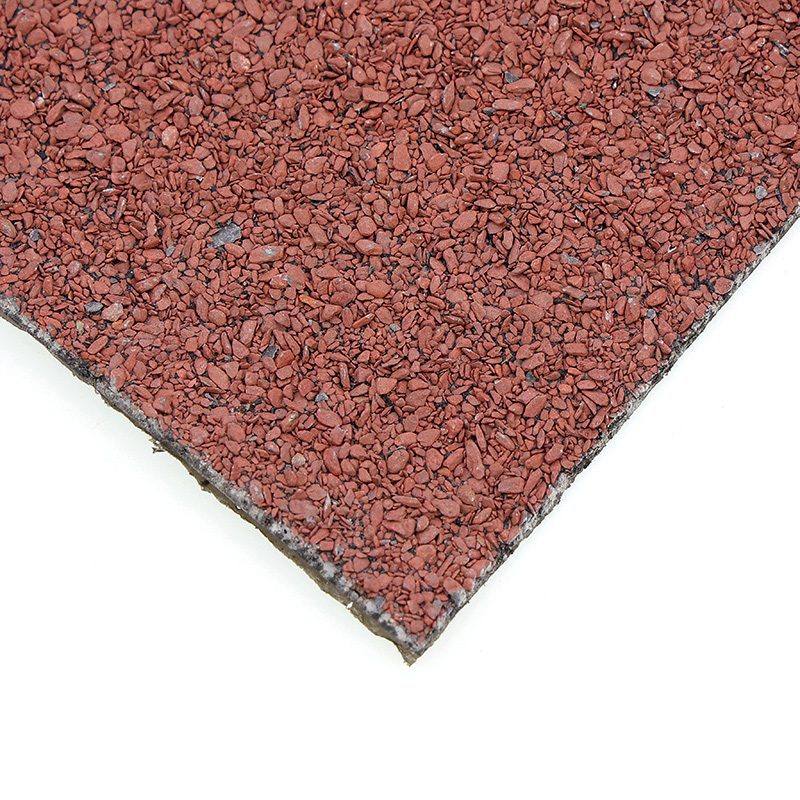
Sourcing a professional bituminous waterproofing membrane for commercial building envelopes represents a critical step in preventing long-term structural water damage. However, even the highest-grade polymer-modified asphalt sheets are only as dependable as the engineering discipline applied during their installation. Site contractors and procurement managers must realize that successful roof or foundation waterproofing does not begin when the application crew lights the propane torch or peels the adhesive release liner. True water tightness starts with strict substrate preparation, careful matching of the material with local climate exposures, and consistent execution of welded seams. Most premature leaks do not occur in the open field of an intact sheet but originate at poorly prepared joints, incorrectly sealed overlaps, structural penetrations, and improperly flashed termination points.
This technical guide provides a detailed comparative analysis of the three primary bituminous waterproofing membrane installation methods: torch-applied, self-adhered, and cold-applied. Selecting the correct bituminous waterproofing membrane application approach depends on structural substrate characteristics, local municipal fire safety restrictions, ambient application temperatures, accessibility, and whether the system is specified for an exposed commercial roof or a buried below-grade foundation. Every critical parameter, including primer application rates, minimum lap dimensions, and specialized flashing accessories, must align perfectly with the system manufacturer’s technical guidelines and target engineering specifications.
Hot-applied installation, commonly referred to as torch-on application, utilizes controlled heat to melt the thermo-fusible bitumen film on the underside of the sheet as the roll is unrolled. This bituminous waterproofing membrane method is highly productive on open, expansive commercial flat roofs where open flame hot work is legally permitted and the contractor has established robust fire prevention controls. For APP or SBS-modified bituminous waterproofing membrane variants, the application crew must utilize specialized propane gas torches to heat the contact surface evenly, creating a consistent molten asphalt flow that fuses with the primed concrete or substrate as the roll advances without stretching.
Executing a flawless thermal weld requires maintaining precise temperature windows, typically between 150 degrees Celsius and 180 degrees Celsius depending on the specific modified bitumen formulation. Overheating the sheet can burn the internal polyester reinforcement, melt essential plasticizer additives, or damage underlying polyisocyanurate thermal insulation boards. Conversely, underheating the bituminous waterproofing membrane results in incomplete bonding, cold joints, and weak seams that will quickly delaminate under hydrostatic pressure. Site supervisors must ensure that a uniform bead of melted asphalt, approximately 5 to 10 millimeters wide, flows continuously from the lap edges during application to serve as visual proof of a fully fused watertight bond.
Before starting any thermal welding operations, crews must verify that the substrate is completely dry, free of residual moisture, and swept clean of dust or loose debris. The membrane sheets should be unrolled, properly aligned, and re-rolled back to ensure straight lap configurations before heat is applied. Always arrange the laps in a shingle pattern starting from the lowest point of the roof slope toward the highest drainage point, ensuring water flows over the seams rather than against them. Where multi-layer bituminous waterproofing membrane assemblies are specified, installers must stagger the longitudinal and transverse end joints by at least 300 millimeters to prevent overlapping seams from stacking on top of one another.
A self-adhered bituminous waterproofing membrane eliminates the hazards of open flames and toxic solvent fumes on site, making it highly advantageous for combustible timber structures, occupied public facilities, and confined subterranean spaces. This cold-applied technology relies on a factory-formulated rubberized asphalt adhesive compound backing that is protected by a peelable silicone release liner. However, the convenience of avoiding hot work does not relax the stringent surface preparation standards required for successful adhesion. A self-adhered bituminous waterproofing membrane requires an exceptionally smooth, dust-free concrete or masonry substrate that has been treated with a high-tack primer to prevent lateral water migration.
To apply these adhesive sheets correctly, technicians must first dry-fit each roll to verify alignment and lap spacing. The release film is then peeled back in a controlled, diagonal motion while the sheet is pressed firmly into place. Once laid, a heavy steel membrane roller must be passed systematically over the entire surface, working outward from the center of the sheet toward the outer edges to expel trapped air and prevent blister formation. Installers must never stretch a self-adhered bituminous waterproofing membrane tight across change-in-plane transitions or inside corners. Doing so introduces continuous mechanical tension that will eventually cause the sheet to pull away from the substrate, resulting in hidden voids where moisture can accumulate.
Site quality control teams must remain vigilant against edge lifting, particularly in cold-weather conditions. When ambient temperatures drop below 5 degrees Celsius, the self-adhering asphalt compounds can become stiff and lose their initial grab. In these environments, contractors must store the bituminous waterproofing membrane rolls in heated enclosures prior to application and utilize specialized cold-weather primers recommended by the manufacturer. If any edge lifting or adhesive contamination occurs during installation, the affected lap must be immediately peeled back, thoroughly cleaned, reprimed, and re-rolled to ensure a permanent watertight seal.
Cold-adhered installation represents an effective, high-strength application method when open flames are strictly prohibited and the structural substrate exhibits complex geometry that limits the use of standard self-adhesive rolls. In this application, a specialized liquid-applied cold adhesive is spread uniformly across the concrete or insulation deck using notched squeegees or heavy rollers. The bituminous waterproofing membrane is then carefully embedded into the wet adhesive layer, allowing the chemical compounds to form a dense, uniform mechanical and chemical bond across the entire contact surface.
Managing this installation method requires a precise understanding of open time, which refers to the critical window between spreading the adhesive and embedding the sheet. If the cold adhesive is allowed to air-dry too long, it will form a non-tacky skin, preventing the bituminous waterproofing membrane from achieving full-depth contact. Conversely, if the sheet is rolled out too quickly while the adhesive is excessively wet, the trapped solvents cannot escape, which can lead to sheet sliding, persistent wrinkling, or eventual chemical vapor blistering. Applicators must systematically roll the embedded sheet with a weighted roller to secure full contact, inspect all lap joints immediately, and protect the newly completed area from pedestrian traffic and rain until the adhesive cures fully.
No matter which bituminous waterproofing membrane installation method is selected, the success of the system rests entirely on the condition of the receiving substrate. Concrete decks must be fully cured, typically requiring a minimum of 28 days, and feature an acceptable moisture content of less than 5 percent. All surface laitance, sharp aggregate projections, formwork fins, and release agents must be mechanically removed. Any concrete honeycombs, voids, or active cracks must be repaired using high-strength non-shrink mortar, and all inside corners must receive structural cant strips to prevent sharp right-angle bends in the membrane.
When executing foundation waterproofing below grade, the bituminous waterproofing membrane faces continuous lateral hydrostatic pressure and potential puncture risks from stony backfill materials. In these subterranean environments, after the installation of the bituminous waterproofing membrane is completed and tested, contractors must install heavy-duty protection boards or durable geocomposite drainage sheets. This protective layer must be secured in place immediately to buffer the asphalt sheet from mechanical damage during heavy soil backfilling operations. Additionally, terminated edges on basement walls must be mechanically fastened using termination bars and sealed with approved polyurethane mastic to prevent top-edge water intrusion.
To ensure the integrity of the completed bituminous waterproofing membrane system, the site engineering team must enforce a strict, documented quality control workflow. Inspectors should perform a comprehensive pre-installation review of all substrates, checking moisture levels, slope gradients, and dry primer coverage rates before any rolls are laid. During application, the quality inspector must visually check the alignment of all side laps, verifying a minimum overlap of 75 millimeters for side joints and 150 millimeters for end-lap joints.
Once the bituminous waterproofing membrane is fully installed, a complete non-destructive seam check must be conducted using a blunt cotter-pin puller or flat metal seam probe. Running the probe firmly along every linear meter of welded or adhered lap allows the inspector to detect cold welds, hollow voids, or minor adhesive gaps that are invisible to the naked eye. Any defect identified during the probing sequence must be marked immediately with a contrasting crayon and repaired using a rounded-corner bituminous waterproofing membrane patch that extends at least 75 millimeters beyond the defect in all directions. All daily weather conditions, batch lot numbers, weld tests, and remedial actions should be recorded in the building’s quality closeout file to secure the manufacturer’s system warranty.

2026/11/20
How an APP waterproof membrane handles heat: 130°C softening point, torch application windows, overheating signs, summer storage, and thermal aging checks.

2026/11/20
The science of a breathable waterproof membrane: water vapor diffusion, Sd values, three grammage grades, water column resistance, and wrong-use cases.

2026/11/20
Single-ply or two-ply, every flat roof is a stack. See how a self adhesive waterproof membrane for roof systems handles base, cap, insulation and drains.

2026/11/20
How the polyester scrim sets tensile strength and dimensional stability of reinforced TPO membrane rolls, with welding, roll sizes and selection tips.

2026/11/20
How an aluminum foil coated bitumen waterproof membrane reflects solar radiation, lowers surface temperature, and what maintenance keeps savings alive.

2026/11/20
SBS modified bitumen waterproof membrane property groups: tensile strength, low-temperature flexibility, heat resistance, surface finishes, applications.
Links to the corresponding full news page.

The eight questions overseas buyers ask most — factory ownership, capacity, batch consistency and lead times, answered straight.

SBS membranes, polymer sheets, coatings and geomembranes — six product lines are operating simultaneously.

Pre-sales specification, on-site technical support and post-delivery maintenance across 100+ export markets.

Waterproofing performance is decided in the specification and the detailing, not just the material. Our technical team helps you select the right system, resolve site questions as they arise, and stay reachable long after the container lands.
