 EN
APP Waterproof Membrane: High-Temperature Stability Guide
2026/11/20
How an APP waterproof membrane handles heat: 130°C softening point, torch application windows, overheating signs, summer storage, and thermal aging checks.

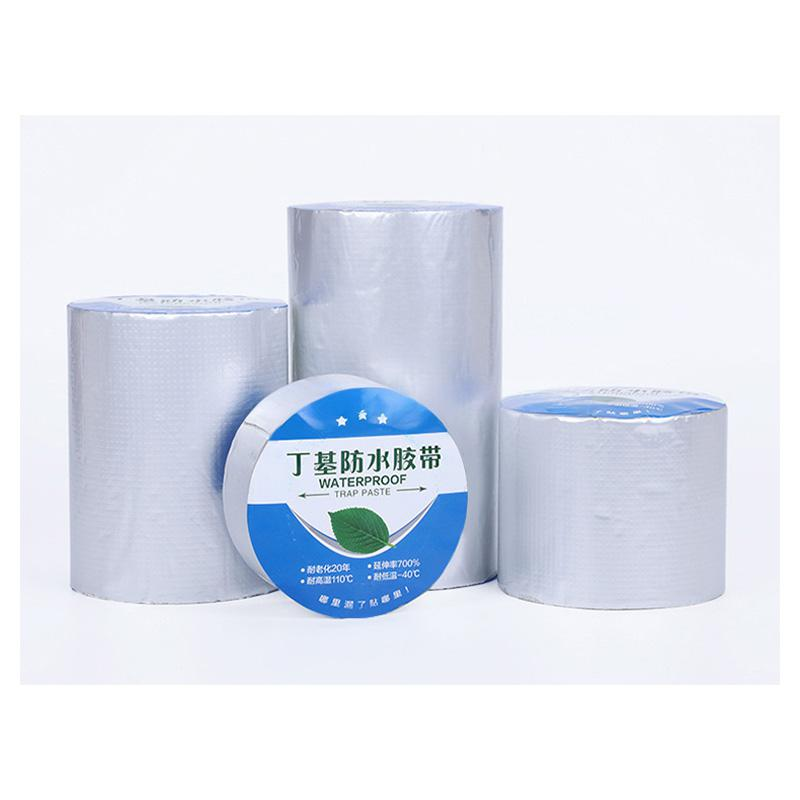
In commercial building envelope construction, installing an industrial butyl sealant tape provides a durable, non-curing compression seal across vulnerable structural joints. A butyl sealant tape is an engineered elastomeric sealing component formulated to maintain continuous tack and flexibility when structural assemblies vibrate, expand, or experience dynamic wind loads. Unlike curing sealants that harden over time, a high-grade butyl sealant tape accommodates building movement without tearing or losing surface adhesion. When commercial contractors detail metal roof laps, window perimeters, or pipe penetrations, choosing the right butyl sealant tape determines whether the building envelope remains airtight and watertight. Specifying a factory-certified butyl sealant tape guarantees dependable weatherproofing and protects commercial facilities against moisture infiltration throughout their operational lifespan.
The operational performance of a butyl sealant tape relies on the specialized molecular structure of synthetic polyisobutylene rubber. Because this polymer matrix exhibits low chemical unsaturation, a quality butyl sealant tape provides outstanding resistance to oxidation, ozone degradation, and weathering. In addition, an elastomeric butyl sealant tape maintains permanent viscoelasticity across extreme temperature fluctuations without becoming brittle in freezing conditions. When compressed between rigid building substrates, the butyl sealant tape flows microscopically into surface irregularities, creating an impenetrable barrier against air and water vapor. Installing a certified butyl sealant tape ensures that structural joints maintain airtight integrity because the compound exhibits near-zero gas permeability. Commercial project engineers specify butyl sealant tape because its non-curing formulation provides immediate bonding without requiring prolonged curing windows on the jobsite.
Evaluating joint sealing materials requires understanding the specific mechanical demands of the building assembly. While silicone sealants cure into fixed rubber beads suitable for exposed curtain wall glazing channels, a butyl sealant tape is optimized for concealed compression laps. Liquid acrylic sealants work adequately on low-movement interior drywall joints, but they lack the heavy-duty water resistance inherent in a butyl sealant tape. Under continuous mechanical clamping pressure, a resilient butyl sealant tape forms an airtight gasket that absorbs vibration and structural shifts without splitting. Furthermore, installing a preformed butyl sealant tape eliminates the tooling mess, irregular bead depths, and volatile solvent odors associated with liquid chemical sealants. Commercial roofing contractors prefer a factory-extruded butyl sealant tape for sheet metal laps because it guarantees uniform joint thickness and immediate weather resistance.
In commercial low-slope metal roofing, a continuous strip of butyl sealant tape is applied beneath overlapping steel panels to block wind-driven rain. Positioned directly along the fastener centerline, the butyl sealant tape seals tightly around screw threads, preventing capillary water migration through pierced holes. Within architectural curtain wall systems, a flexible butyl sealant tape provides an essential perimeter vapor barrier that connects exterior glazing assemblies to adjacent structural framing. In addition, technicians rely on a conformable butyl sealant tape to seal difficult plumbing flashings, electrical conduits, and HVAC duct penetrations without leaving unbonded voids. Applying an engineered butyl sealant tape across these critical transition nodes ensures that water sheds over the joint rather than tracking into concealed insulation cavities. Sourcing a high-performance butyl sealant tape prevents recurrent building envelope leaks and reduces commercial maintenance callbacks.
Selecting the appropriate width and thickness of a butyl sealant tape requires analyzing joint geometry, thermal expansion rates, and available clamping pressure. For standard corrugated sheet metal laps, installers typically select a butyl sealant tape in widths ranging from twelve to twenty-five millimeters. When detailing broad flashing interfaces or irregular masonry transitions, applying a wider butyl sealant tape provides the necessary bonding margin on both sides of the fastener line. Tape thickness is equally critical; an undersized butyl sealant tape cannot fill substrate voids, while an excessively thick compound may squeeze out under mechanical fasteners. Specifying a dimensionally controlled butyl sealant tape ensures that the compressed rubber remains fully contained within the joint profile. Selecting an engineered butyl sealant tape prevents void formation and maintains continuous pressure-sensitive adhesion along the entire seam.
Achieving lasting joint performance with a pressure-sensitive butyl sealant tape demands methodical substrate cleaning and consistent installation pressure. Installers must remove dust, oil, loose coatings, and residual moisture from the contact area, as this material cannot bond to contaminated surfaces. Applying the tape over frost or standing water creates a separation film that leads to premature seam delamination. Crews should unroll the butyl sealant tape progressively along the joint, peeling the protective release backing without stretching the elastomeric ribbon. Technicians must consolidate the entire length of the butyl sealant tape using a silicone hand roller or mechanical clamping tools to displace trapped air pockets. Conducting a thorough visual inspection along all edges of the butyl sealant tape confirms complete surface wetting before the joint is permanently fastened.
Commercial distributors and building contractors should source every roll of butyl sealant tape directly from established manufacturing facilities to ensure consistent batch quality. Shandong Dingtai Waterproof Technology Co., Ltd. manufactures certified butyl sealant tape rolls under the JinDingTai brand, enforcing strict standards for compound thickness, tensile elongation, and release liner performance. Sourcing a factory-tested butyl sealant tape guarantees that the adhesive core provides reliable shear strength, excellent low-temperature flexibility, and long-term aging resistance. In addition, purchasing standardized wholesale quantities streamlines inventory management across large commercial developments. Investing in a proven butyl sealant tape protects property developers from expensive remedial repairs and structural degradation.
No, this material must never be installed over damp, wet, or oily surfaces. Surface oil and moisture act as release barriers that prevent the butyl sealant tape from wetting the substrate, leading to premature seam failure. Always clean and dry the substrate thoroughly before positioning the sealing roll.
High-grade butyl sealant tape operates reliably across temperatures ranging from minus forty degrees Celsius to ninety degrees Celsius. The advanced polymer formulation of the compound prevents cracking in freezing winter weather or softening and flowing during hot summer roof exposure.
A butyl sealant tape remains permanently flexible and tacky without curing, making it ideal for concealed compression joints that experience structural vibration and thermal movement. In contrast, silicone sealants cure into fixed rubber beads designed primarily for exposed perimeter expansion joints.

2026/11/20
How an APP waterproof membrane handles heat: 130°C softening point, torch application windows, overheating signs, summer storage, and thermal aging checks.

2026/11/20
The science of a breathable waterproof membrane: water vapor diffusion, Sd values, three grammage grades, water column resistance, and wrong-use cases.

2026/11/20
Single-ply or two-ply, every flat roof is a stack. See how a self adhesive waterproof membrane for roof systems handles base, cap, insulation and drains.

2026/11/20
How the polyester scrim sets tensile strength and dimensional stability of reinforced TPO membrane rolls, with welding, roll sizes and selection tips.

2026/11/20
How an aluminum foil coated bitumen waterproof membrane reflects solar radiation, lowers surface temperature, and what maintenance keeps savings alive.

2026/11/20
SBS modified bitumen waterproof membrane property groups: tensile strength, low-temperature flexibility, heat resistance, surface finishes, applications.
Links to the corresponding full news page.

The eight questions overseas buyers ask most — factory ownership, capacity, batch consistency and lead times, answered straight.

SBS membranes, polymer sheets, coatings and geomembranes — six product lines are operating simultaneously.

Pre-sales specification, on-site technical support and post-delivery maintenance across 100+ export markets.

Waterproofing performance is decided in the specification and the detailing, not just the material. Our technical team helps you select the right system, resolve site questions as they arise, and stay reachable long after the container lands.
