 EN
APP Waterproof Membrane: High-Temperature Stability Guide
2026/11/20
How an APP waterproof membrane handles heat: 130°C softening point, torch application windows, overheating signs, summer storage, and thermal aging checks.

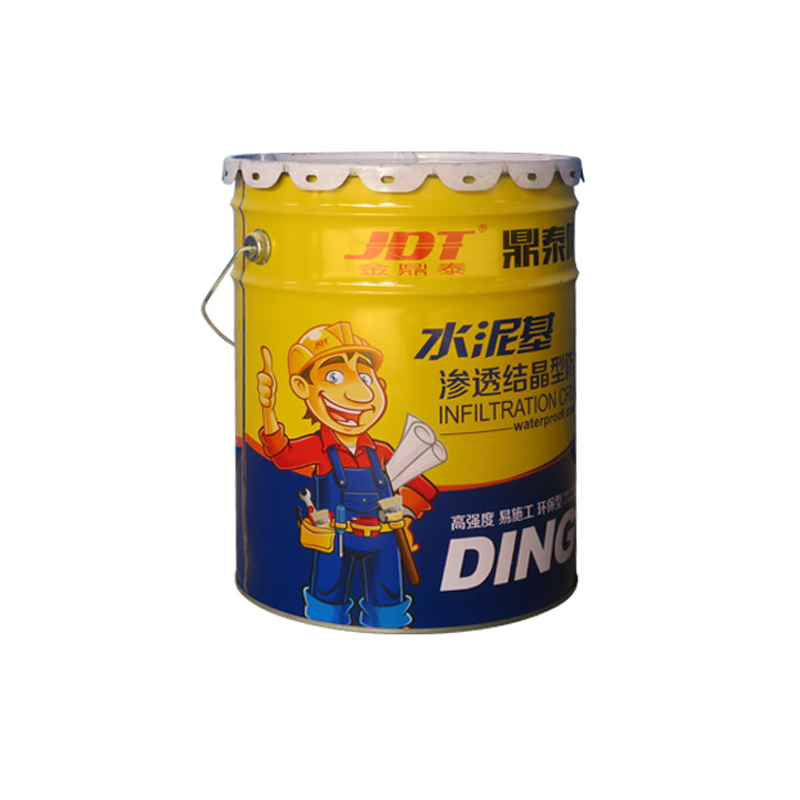
When waterproofing damp concrete foundations, residential bathrooms, potable water tanks, or subterranean tunnels, compatibility between the protective barrier and the mineral substrate is the foundation of long-term durability. In our extensive field experience supplying waterproofing materials for global construction projects, solvent-based coatings and torch-applied sheets often struggle to bond when concrete surfaces retain residual moisture. A Cement-Based Waterproof Coating overcomes this limitation because its inorganic hydraulic cement matrix naturally reacts with surface dampness to form a permanent crystalline and mechanical bond directly inside concrete pores. Formulated as a two-component system combining liquid polymer emulsion with graded cement and quartz powder, a modern Cement-Based Waterproof Coating delivers breathable, eco-friendly, and non-toxic moisture protection. However, choosing between rigid and flexible formulations is critical, as applying the wrong type to moving floors or heavy tiled walls is one of the leading causes of premature waterproofing failure.
Understanding the performance gap between rigid and flexible grades of a Cement-Based Waterproof Coating starts with examining the ratio of liquid polymer modifier to inorganic cementitious powder. When the two components are mixed on site, two simultaneous curing mechanisms take place: cement hydration builds a hard, dense mineral skeleton, while polymer emulsion coalescence weaves an elastic organic film throughout the cement pores. In a rigid Cement-Based Waterproof Coating, the mineral powder proportion dominates the mix, resulting in a rock-hard, high-compressive-strength mortar layer that resists hydrostatic water pressure and merges seamlessly with masonry walls. Conversely, a flexible Cement-Based Waterproof Coating incorporates a much higher concentration of elastomeric polymer emulsion. Once cured, this polymer-rich matrix bends, stretches, and bridges hairline shrinkage cracks without snapping, giving horizontal slabs and vibrating structures reliable dynamic water resistance.
Authoritative building envelope and interior tiling guidelines widely recommend a strategic combination of rigid and flexible systems rather than using a single formula across an entire room. On vertical masonry walls in bathrooms, kitchens, and elevator shafts, contractors frequently install heavy ceramic tiles or natural stone slabs over the waterproof layer. Applying a rigid Cement-Based Waterproof Coating on vertical walls provides a rough, high-strength mineral surface with exceptional shear adhesion, preventing heavy wall tiles from sagging or delaminating over time. By contrast, horizontal floor slabs, cantilevered balconies, and wall-to-floor intersections experience constant thermal movement, foot traffic vibration, and minor structural settling. Installing a flexible Cement-Based Waterproof Coating across floors, around drain pipes, and along internal corners ensures that micro-cracks in the screed never tear the waterproof barrier. Pairing rigid coatings on stable walls with flexible coatings on moving floors delivers both structural grip and leak-proof elasticity.
Beyond interior wet rooms, selecting the appropriate Cement-Based Waterproof Coating is vital when managing groundwater infiltration in basements, retaining walls, swimming pools, and underground utility vaults. Waterproofing engineers distinguish between positive-side waterproofing—where the coating is applied to the side facing the water source—and negative-side waterproofing, where the coating is applied to the interior wall to hold back water pushing through the concrete from behind. Because a flexible Cement-Based Waterproof Coating forms an elastic film, it excels on the positive water pressure side of pools and foundations where water pushes the membrane tightly against the substrate while the coating accommodates structural settlement. When contractors must stop seepage from the inside of an existing basement wall under negative hydrostatic pressure, a rigid Cement-Based Waterproof Coating is preferred because its mineral matrix locks deep into the concrete capillary pores without blistering or peeling away from the wall.
Achieving dependable field results with any Cement-Based Waterproof Coating requires strict on-site mixing discipline and proper substrate moisture conditioning. Unlike polyurethane or bitumen paints that demand bone-dry concrete, masonry substrates must be pre-wetted with clean water until saturated surface-dry before brushing or rolling a cementitious slurry; otherwise, thirsty concrete will absorb the mixing water too quickly and cause chalking or surface craze cracks. Contractors should always pour the liquid polymer component into the mixing bucket first and gradually add the pre-weighed powder while stirring with a slow-speed mechanical mixer until a lump-free slurry forms, strictly avoiding the addition of extra water that would dilute polymer strength. As an experienced factory manufacturer, we support global distributors and project contractors with customized liquid-to-powder ratios, tailored elongation grades, private-label bag and pail packaging, and strict batch quality verification so every shipment performs reliably on site.
You should never add extra water beyond the manufacturer instructions when mixing a two-component polymer cement coating. Adding excess water dilutes the polymer emulsion concentration, causes the cement powder to settle unevenly, and drastically reduces both the waterproofing impermeability and flexibility of the cured film.
Dry porous concrete acts like a sponge and rapidly sucks moisture out of fresh cementitious slurry before proper chemical hydration and polymer film formation can occur. Pre-wetting the concrete until it is damp but free of standing puddles ensures smooth brushing, prevents pinholes, and maximizes adhesion strength.
Yes, although flexible polymer cement coatings have strong adhesion and elasticity, they are designed to work within a protected building assembly rather than as an exposed traffic surface. Applying a cement mortar screed or ceramic tile finish over the cured membrane protects it from direct mechanical puncture and long-term weathering.

2026/11/20
How an APP waterproof membrane handles heat: 130°C softening point, torch application windows, overheating signs, summer storage, and thermal aging checks.

2026/11/20
The science of a breathable waterproof membrane: water vapor diffusion, Sd values, three grammage grades, water column resistance, and wrong-use cases.

2026/11/20
Single-ply or two-ply, every flat roof is a stack. See how a self adhesive waterproof membrane for roof systems handles base, cap, insulation and drains.

2026/11/20
How the polyester scrim sets tensile strength and dimensional stability of reinforced TPO membrane rolls, with welding, roll sizes and selection tips.

2026/11/20
How an aluminum foil coated bitumen waterproof membrane reflects solar radiation, lowers surface temperature, and what maintenance keeps savings alive.

2026/11/20
SBS modified bitumen waterproof membrane property groups: tensile strength, low-temperature flexibility, heat resistance, surface finishes, applications.
Links to the corresponding full news page.

The eight questions overseas buyers ask most — factory ownership, capacity, batch consistency and lead times, answered straight.

SBS membranes, polymer sheets, coatings and geomembranes — six product lines are operating simultaneously.

Pre-sales specification, on-site technical support and post-delivery maintenance across 100+ export markets.

Waterproofing performance is decided in the specification and the detailing, not just the material. Our technical team helps you select the right system, resolve site questions as they arise, and stay reachable long after the container lands.
