 EN
APP Waterproof Membrane: High-Temperature Stability Guide
2026/11/20
How an APP waterproof membrane handles heat: 130°C softening point, torch application windows, overheating signs, summer storage, and thermal aging checks.

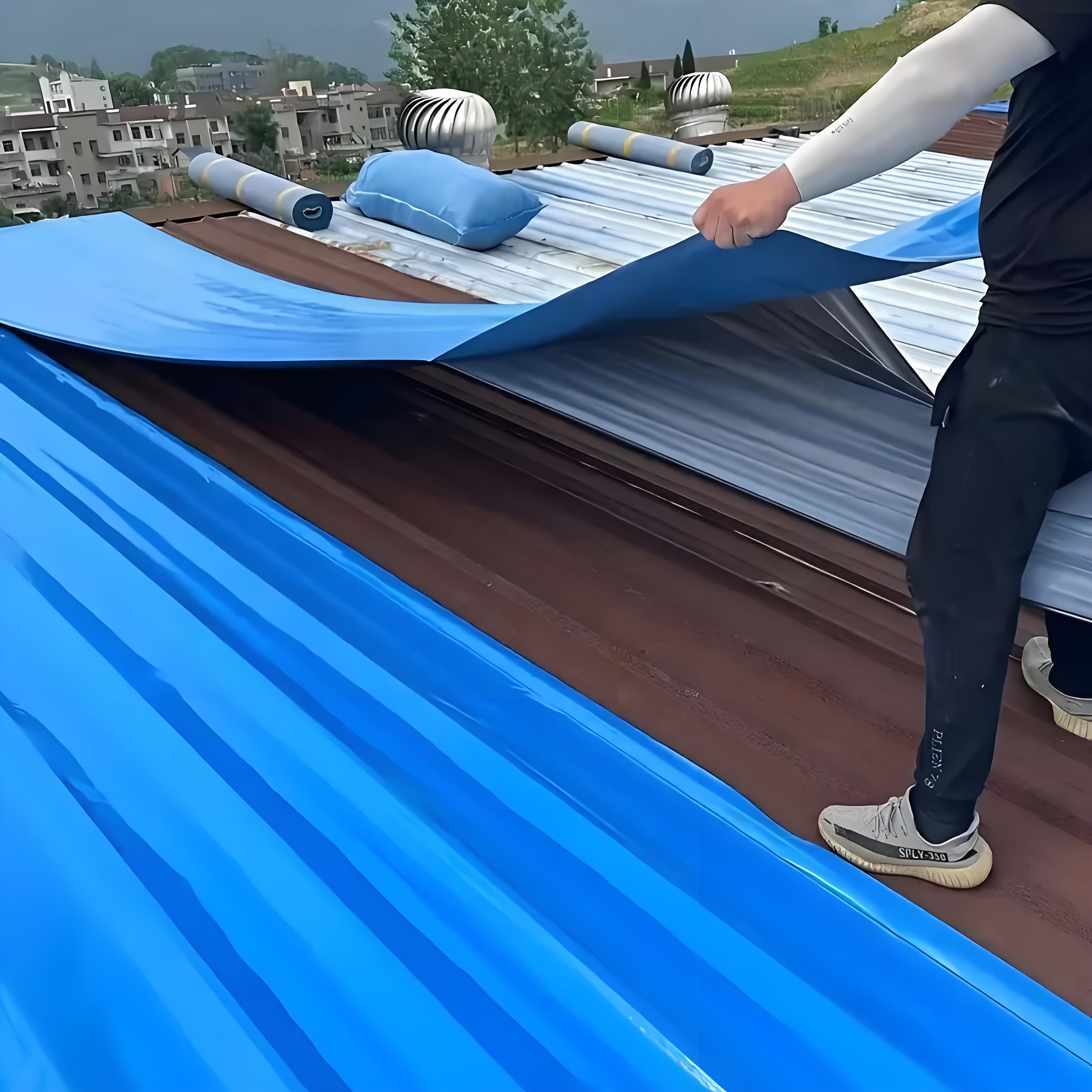
In modern subterranean civil engineering and foundation design, installing a certified cross-laminated self-adhesive waterproofing membrane provides an immediate, highly elastic barrier against severe hydrostatic water pressure. A high-density cross-laminated self-adhesive waterproofing membrane represents an advanced composite sheet comprising a multi-layered cross-laminated polyethylene film laminated onto a thick, self-healing elastomeric bitumen compound. Specifying this structural cross-laminated self-adhesive waterproofing membrane ensures that below-grade concrete walls and basement slabs remain completely dry, preventing capillary dampness and structural concrete carbonation over decades of building service. Utilizing a premium cross-laminated self-adhesive waterproofing membrane eliminates the hazardous open flames, noxious fumes, and hot-kettle safety risks typically associated with traditional torch-applied waterproofing installations. For professional building material wholesalers and civil contracting networks, sourcing a verified cross-laminated self-adhesive waterproofing membrane guarantees reliable cold-applied protection that satisfies global building regulations and accelerates tight on-site project schedules.
The exceptional puncture resistance of a cross-laminated self-adhesive waterproofing membrane depends on the specialized cross-lamination stretching process utilized during film manufacturing. By orienting high-density polyethylene films in both longitudinal and transverse directions, the resulting cross-laminated self-adhesive waterproofing membrane exhibits equalized tensile strength in all directions. This structural strength allows the cross-laminated self-adhesive waterproofing membrane to resist intense aggregate impacts, sharp rebar punctures, and backfilling abrasion on active jobsites. Furthermore, the dimensional stability of a quality cross-laminated self-adhesive waterproofing membrane prevents the sheet from warping, creasing, or stretching unevenly during unrolling and placement. Laying down a high-tensile cross-laminated self-adhesive waterproofing membrane ensures that the building envelope retains continuous waterproof integrity even when foundations experience micro-deflection or settlement.
Freshly poured concrete structures release highly alkaline pore fluids that can degrade chemically unstable polymers and cause adhesive delamination over time. An engineered cross-laminated self-adhesive waterproofing membrane is formulated with chemically inert polymer backbones that resist alkaline corrosion and sulfate soil attack. The pressure-sensitive compound of the cross-laminated self-adhesive waterproofing membrane flows microscopically into concrete surface irregularities, creating a continuous adhesive bond that prevents lateral water migration. Sourcing a heavy-duty cross-laminated self-adhesive waterproofing membrane prevents soil-side water from finding channels beneath the sheet, isolating the foundation from rising water table moisture. Specifying a chemically stable cross-laminated self-adhesive waterproofing membrane is essential for establishing reliable moisture defense on civil structures exposed to harsh soil chemistry.
Achieving permanent peel adhesion with a cross-laminated self-adhesive waterproofing membrane requires strict compliance with jobsite surface cleaning and preparation procedures. Before unrolling the cross-laminated self-adhesive waterproofing membrane, the target concrete surface must be structurally sound, fully cured, dry, and free of loose moss, dust, oil, and form-release chemical agents. Installing a cross-laminated self-adhesive waterproofing membrane over standing water, surface condensation, or frost creates an unbonded barrier that leads to seam lifting and blistering. On porous or dusty concrete blockwork, applying a compatible polymer-modified primer before unrolling the cross-laminated self-adhesive waterproofing membrane consolidates loose dust and accelerates adhesive molecular wetting. Masons must roll the entire surface of the cross-laminated self-adhesive waterproofing membrane with a heavy silicone roller to ensure uniform adhesion.
The ultimate defense of a cross-laminated self-adhesive waterproofing membrane installation depends on the airtight sealing of its side and end overlaps. When splicing adjacent sheets of the cross-laminated self-adhesive waterproofing membrane, workers must maintain a continuous minimum overlap width of seventy-five millimeters along all edges. Utilizing a double-sided self-adhesive strip along the seams of the cross-laminated self-adhesive waterproofing membrane ensures continuous weld integrity against wind uplift and water infiltration. Technicians must clean the overlap zone thoroughly to remove dust and moisture before pressing the seams of the cross-laminated self-adhesive waterproofing membrane. Properly consolidating every overlap seam of the cross-laminated self-adhesive waterproofing membrane prevents lateral capillary migration and resists subterranean moisture penetration.
Distributors and commercial project buyers achieve consistent quality control by sourcing each cross-laminated self-adhesive waterproofing membrane directly from large-scale manufacturing facilities. Shandong Dingtai Waterproof Technology Co., Ltd. manufactures certified elastomeric membranes under the JinDingTai brand, delivering a high-performance cross-laminated self-adhesive waterproofing membrane system for global export. Sourcing a factory-direct cross-laminated self-adhesive waterproofing membrane ensures that every batch maintains uniform adhesive thickness, excellent low-temperature flexibility, and dependable release liner performance. In addition, JinDingTai supports custom roll widths and specialized thickness specifications under each negotiated cross-laminated self-adhesive waterproofing membrane contract. Procuring a proven cross-laminated self-adhesive waterproofing membrane protects building structures from dampness and reduces building lifecycle maintenance costs.
Yes, a cross-laminated self-adhesive waterproofing membrane can be applied in cold weather, provided the actual air, substrate, and roll temperatures meet the minimum application limits specified by the manufacturer. Store the cross-laminated self-adhesive waterproofing membrane in a conditioned warehouse prior to installation, and ensure the concrete substrate is completely dry and free of frost before unrolling the sheets.
The cross-lamination process orientates the polyethylene plastic fibers in perpendicular directions, which prevents a tear in the cross-laminated self-adhesive waterproofing membrane from running. This multi-layered structure gives the cross-laminated self-adhesive waterproofing membrane superior tear propagation resistance and high puncture strength compared to standard single-ply non-laminated membranes.
Applying a compatible primer before unrolling the cross-laminated self-adhesive waterproofing membrane consolidates microscopic surface dust and seals concrete pores. This priming step creates a smooth, highly cohesive receiving surface, allowing the pressure-sensitive compound of the cross-laminated self-adhesive waterproofing membrane to establish an immediate, permanent chemical bond.

2026/11/20
How an APP waterproof membrane handles heat: 130°C softening point, torch application windows, overheating signs, summer storage, and thermal aging checks.

2026/11/20
The science of a breathable waterproof membrane: water vapor diffusion, Sd values, three grammage grades, water column resistance, and wrong-use cases.

2026/11/20
Single-ply or two-ply, every flat roof is a stack. See how a self adhesive waterproof membrane for roof systems handles base, cap, insulation and drains.

2026/11/20
How the polyester scrim sets tensile strength and dimensional stability of reinforced TPO membrane rolls, with welding, roll sizes and selection tips.

2026/11/20
How an aluminum foil coated bitumen waterproof membrane reflects solar radiation, lowers surface temperature, and what maintenance keeps savings alive.

2026/11/20
SBS modified bitumen waterproof membrane property groups: tensile strength, low-temperature flexibility, heat resistance, surface finishes, applications.
Links to the corresponding full news page.

The eight questions overseas buyers ask most — factory ownership, capacity, batch consistency and lead times, answered straight.

SBS membranes, polymer sheets, coatings and geomembranes — six product lines are operating simultaneously.

Pre-sales specification, on-site technical support and post-delivery maintenance across 100+ export markets.

Waterproofing performance is decided in the specification and the detailing, not just the material. Our technical team helps you select the right system, resolve site questions as they arise, and stay reachable long after the container lands.
