 EN
APP Waterproof Membrane: High-Temperature Stability Guide
2026/11/20
How an APP waterproof membrane handles heat: 130°C softening point, torch application windows, overheating signs, summer storage, and thermal aging checks.

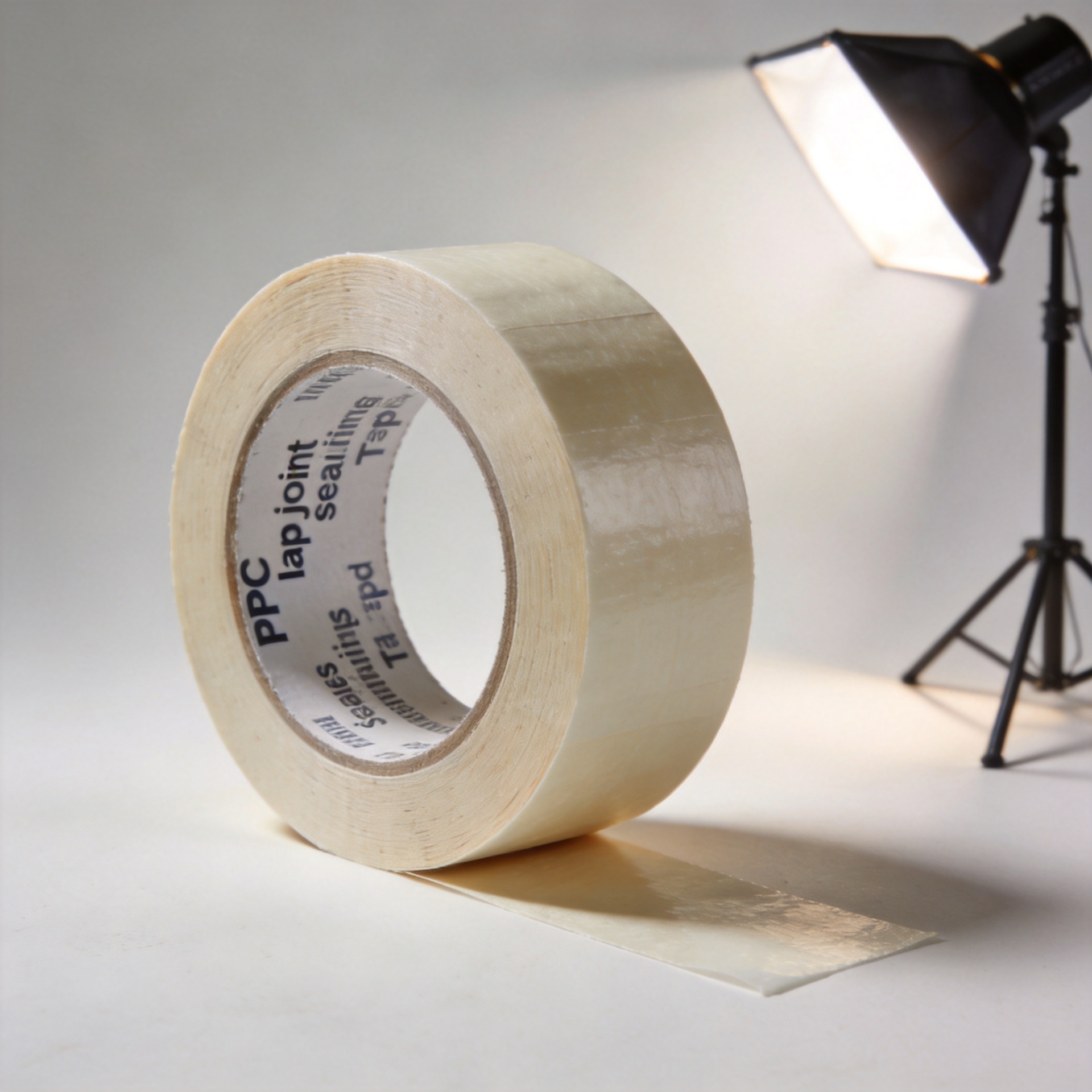
In commercial masonry construction, a damp proof course only functions effectively when every transition and lap joint remains completely sealed. Installing high-performance dpc lap joint sealing tape is essential for preventing rising dampness from bypassing horizontal barriers and damaging interior finishes. Many contractors focus exclusively on the quality of the damp proof course roll while neglecting the lap joint, creating localized moisture pathways across wall assemblies. A certified dpc lap joint sealing tape provides continuous adhesion, resists masonry alkalis, and tolerates structural thermal movements. For distributors and commercial builders, selecting an engineered dpc lap joint sealing tape ensures that horizontal damp proof barriers maintain uninterrupted continuity throughout the life of the building.
A horizontal damp proof course is engineered to stop the upward capillary movement of moisture through porous concrete blocks and mortar beds. At each roll transition, maintaining continuity depends heavily on installing a compatible dpc lap joint sealing tape under firm compressive rolling. Using an unapproved adhesive or neglecting the dpc lap joint sealing tape allows moisture to bridge across loose seams. Standard building regulations typically specify maintaining an overlap of at least one hundred millimeters along end joints. Applying an industrial dpc lap joint sealing tape across this overlap seals the seam against moisture migration and subterranean soil gases. Project superintendents must verify that the dpc lap joint sealing tape is applied in a continuous run without creases or air pockets.
Selecting the proper dpc lap joint sealing tape requires evaluating the chemical properties and surface energy of the damp proof barrier. Polyethylene and polymer damp proof sheets possess low surface energy, requiring a specialized dpc lap joint sealing tape formulated with aggressive synthetic butyl adhesives. A generic tape will initially adhere to the polymer surface but will lose tack over time, whereas a certified dpc lap joint sealing tape forms an airtight molecular bond. For bituminous damp proof courses, choosing a bitumen-compatible dpc lap joint sealing tape ensures long-term cohesion without softening under high summer temperatures. When detailing metal damp proof courses, installers must apply an elastomeric dpc lap joint sealing tape that accommodates differential thermal expansion. Specifying a chemically compatible dpc lap joint sealing tape prevents premature seam separation within mortar joints.
Achieving a durable seal with dpc lap joint sealing tape requires disciplined surface preparation and correct mechanical pressure. Installers must ensure that the edges of the damp proof course are clean, dry, and free of loose mortar dust or release agents before applying the dpc lap joint sealing tape. Technicians should position the dpc lap joint sealing tape centrally over the overlap, peeling the release liner progressively to avoid stretching the adhesive core. Once positioned, rolling the entire length of the dpc lap joint sealing tape with a heavy silicone hand roller displaces trapped air and achieves maximum surface contact. Installers must pay special attention to three-way laps and corner returns, ensuring that the dpc lap joint sealing tape conforms tightly without bridging voids. Inspecting the finished dpc lap joint sealing tape before laying subsequent masonry courses guarantees complete watertight integrity.
Site oversights during masonry construction can easily compromise an otherwise sound dpc lap joint sealing tape installation. Mortar droppings falling inside wall cavities can accumulate on top of the lap, puncturing the dpc lap joint sealing tape or bridging moisture across the cavity. In addition, failing to align the dpc lap joint sealing tape with cavity trays and weep vents creates hidden water accumulation points. To ensure continuous protection, crews must link the horizontal dpc lap joint sealing tape seamlessly with the internal floor membrane and external damp proofing layers. Masons must ensure that subsequent blockwork is laid carefully over the dpc lap joint sealing tape without dragging rough aggregates across the seam. Documenting the completed dpc lap joint sealing tape installation before concealing the work provides essential quality verification for building code compliance.
Wholesale distributors and building contractors should source every roll of dpc lap joint sealing tape directly from experienced manufacturing facilities to ensure consistent batch quality. Shandong Dingtai Waterproof Technology Co., Ltd. manufactures certified dpc lap joint sealing tape rolls under the JinDingTai brand, engineered to meet rigorous international construction benchmarks. Specifying a factory-tested dpc lap joint sealing tape guarantees that the adhesive core provides reliable shear strength, excellent low-temperature flexibility, and long-term aging resistance. In addition, stocking standardized dpc lap joint sealing tape packages simplifies inventory management for large-scale commercial developments. Investing in a proven dpc lap joint sealing tape protects property owners from expensive remedial repairs and structural degradation.
No, general double-sided tapes should never replace an engineered dpc lap joint sealing tape. Standard packaging or carpet tapes lack the heavy adhesive mass, alkali resistance, and viscoelasticity required to seal a damp proof course under heavy masonry loads. Only a specialized dpc lap joint sealing tape provides permanent adhesion against rising groundwater and soil chemicals.
When joining adjacent damp proof course rolls, maintain an overlap of at least one hundred millimeters along all end joints. The dpc lap joint sealing tape should be centered within this overlap, leaving a continuous bonding margin on both sides to prevent water from tracking beneath the seam.
A heavy-duty dpc lap joint sealing tape formulated with high-density butyl rubber provides near-zero gas permeability. When applied across gas-resistant damp proof membranes, the dpc lap joint sealing tape creates a gas-tight seal that prevents radon, methane, and subterranean water vapor from penetrating living spaces through masonry bed joints.

2026/11/20
How an APP waterproof membrane handles heat: 130°C softening point, torch application windows, overheating signs, summer storage, and thermal aging checks.

2026/11/20
The science of a breathable waterproof membrane: water vapor diffusion, Sd values, three grammage grades, water column resistance, and wrong-use cases.

2026/11/20
Single-ply or two-ply, every flat roof is a stack. See how a self adhesive waterproof membrane for roof systems handles base, cap, insulation and drains.

2026/11/20
How the polyester scrim sets tensile strength and dimensional stability of reinforced TPO membrane rolls, with welding, roll sizes and selection tips.

2026/11/20
How an aluminum foil coated bitumen waterproof membrane reflects solar radiation, lowers surface temperature, and what maintenance keeps savings alive.

2026/11/20
SBS modified bitumen waterproof membrane property groups: tensile strength, low-temperature flexibility, heat resistance, surface finishes, applications.
Links to the corresponding full news page.

The eight questions overseas buyers ask most — factory ownership, capacity, batch consistency and lead times, answered straight.

SBS membranes, polymer sheets, coatings and geomembranes — six product lines are operating simultaneously.

Pre-sales specification, on-site technical support and post-delivery maintenance across 100+ export markets.

Waterproofing performance is decided in the specification and the detailing, not just the material. Our technical team helps you select the right system, resolve site questions as they arise, and stay reachable long after the container lands.
