 EN
APP Waterproof Membrane: High-Temperature Stability Guide
2026/11/20
How an APP waterproof membrane handles heat: 130°C softening point, torch application windows, overheating signs, summer storage, and thermal aging checks.

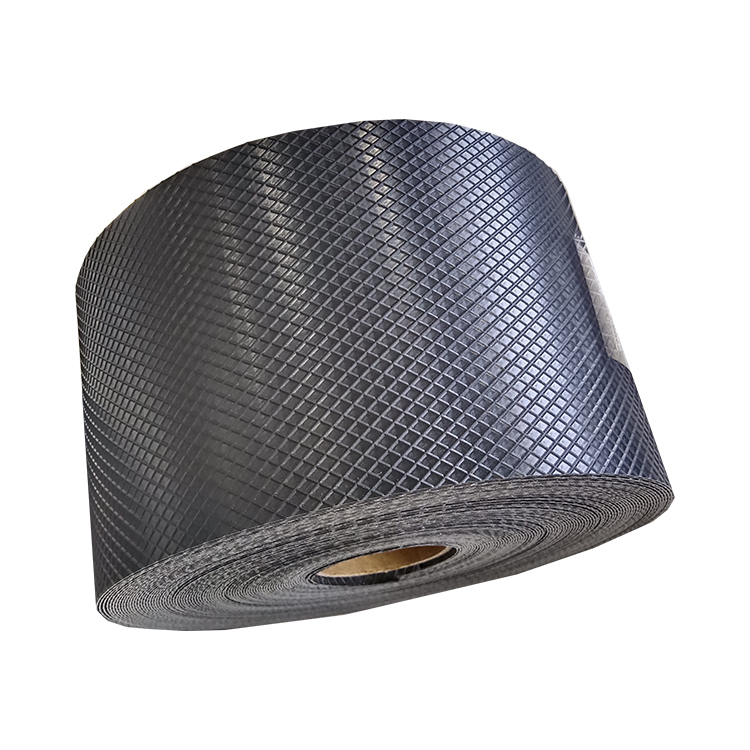
In modern load-bearing brickwork and structural masonry construction, installing a certified embossed polyethylene damp proof course provides an immediate, impermeable barrier against capillary groundwater rise. An engineered embossed polyethylene damp proof course represents a specialized polyolefin moisture shield installed horizontally along masonry bedding joints to isolate superstructure walls from subterranean dampness. Selecting an unverified damp barrier to minimize upfront building expenses often results in mortar slippage, poor mechanical bonding, and recurring wall efflorescence that is virtually impossible to remediate once construction finishes. Utilizing a high-tensile embossed polyethylene damp proof course ensures that the physical capillary break remains flexible under foundation settlement and thermal cycling. For building material distributors, masonry contractors, and architectural specifiers, sourcing an industrial embossed polyethylene damp proof course guarantees compliance with strict regional masonry codes without requiring hot-asphalt kettles. Deploying a factory-tested embossed polyethylene damp proof course prevents internal plaster rot and protects residential and commercial developments from structural damp decay.
The primary engineering innovation of an embossed polyethylene damp proof course lies in its patterned surface texture designed to improve adhesion to wet mortar. While standard smooth plastic films slide easily across fresh cement paste during brick laying, an embossed polyethylene damp proof course features raised diamond or checkered grids that create a positive mechanical key. When masons spread Portland cement mortar across an embossed polyethylene damp proof course, the wet mortar paste flows into microscopic recesses across the sheet. As the mortar cures, the textured surface of the embossed polyethylene damp proof course locks the upper and lower masonry courses together, preventing lateral shear slippage under structural dead loads. Furthermore, the raised profile of an embossed polyethylene damp proof course reduces accidental displacement when workers tap bricks into alignment. Installing a dimensionally stable embossed polyethylene damp proof course provides masons with reliable handling while preserving an impenetrable moisture break across horizontal wall joints. Sourcing an embossed polyethylene damp proof course with engineered surface texturing ensures superior structural shear strength throughout load-bearing brick assemblies.
Rising groundwater moves through porous concrete blocks and clay bricks via microscopic pores that exert strong capillary suction forces. Laying an impermeable embossed polyethylene damp proof course breaks this liquid capillary pathway before dampness can damage interior wall finishes. In addition to halting liquid water, a high-density embossed polyethylene damp proof course functions as a total water vapor retarder, stopping subterranean vapor diffusion through foundation perimeters. The macromolecular polymer formulation of a certified embossed polyethylene damp proof course exhibits complete chemical inertness against calcium hydroxide solutions present in fresh cement mortar. Unlike low-grade recycled plastics that degrade under mortar alkaline hydrolysis, an industrial embossed polyethylene damp proof course retains full physical elongation and puncture resistance over decades of continuous service. Furthermore, an embossed polyethylene damp proof course resists soil-borne sulfates, acidic groundwater, and biological root degradation in damp footing zones. Specifying a chemically stable embossed polyethylene damp proof course ensures that horizontal bedding joints remain permanently protected against subterranean chemical attack.
Achieving reliable moisture isolation with an embossed polyethylene damp proof course demands strict compliance with regional installation elevations and jointing standards. Building codes typically require masons to position the primary embossed polyethylene damp proof course at least one hundred and fifty millimeters above finished external ground levels. Establishing this minimum clearance with an embossed polyethylene damp proof course prevents soil splashing, paving run-off, and garden mulch from forming a moisture bridge around the barrier. When splicing adjacent runs of the embossed polyethylene damp proof course along continuous wall leaves, workers must maintain an overlap of at least one hundred millimeters along all laps. Technicians should seal every overlap of the embossed polyethylene damp proof course using compatible butyl bonding tapes to eliminate capillary tracking along seam interfaces. Properly bedding the embossed polyethylene damp proof course in continuous mortar cushions prevents sharp masonry burrs from puncturing the polyolefin barrier. Sourcing an adaptable embossed polyethylene damp proof course ensures continuous, leak-free detailing across complex architectural junctions.
In modern cavity wall construction, horizontal barriers must integrate seamlessly with internal flashings, insulation layers, and drainage cavities. An embossed polyethylene damp proof course can be stepped across the cavity void to form durable cavity trays over door and window lintels. Coordinating the embossed polyethylene damp proof course with open weep vents ensures that accidental cavity water discharges outward without soaking thermal insulation. Masons must ensure that mortar droppings do not accumulate on the stepped embossed polyethylene damp proof course to avoid bridging moisture across the cavity. Furthermore, an interior embossed polyethylene damp proof course must connect securely with adjoining floor damp-proof membranes to form an unbroken building envelope. Utilizing an embossed polyethylene damp proof course along internal partition walls prevents ground damp from tracking through screed perimeters. Deploying an approved embossed polyethylene damp proof course delivers uninterrupted moisture protection across complex architectural steps.
Wholesale building material importers and commercial masonry contractors achieve consistent quality control by sourcing their embossed polyethylene damp proof course rolls directly from verified manufacturing facilities. Shandong Dingtai Waterproof Technology Co., Ltd. produces heavy-duty masonry barriers under the JinDingTai brand, supplying an industry-leading embossed polyethylene damp proof course for overseas construction markets. Sourcing a factory-direct embossed polyethylene damp proof course eliminates intermediary trading markups and guarantees that compound thickness conforms to European EN 14909 and British BS 6515 standards. In addition, JinDingTai formulates each embossed polyethylene damp proof course with virgin low-density polyethylene to maximize tear resistance and low-temperature flexibility. Procuring customized roll widths of the embossed polyethylene damp proof course streamlines on-site productivity and curtails cutting waste across varying wall thicknesses. Investing in a proven embossed polyethylene damp proof course from JinDingTai safeguards masonry developments from rising dampness and preserves property value for generations.
The patterned texture on an embossed polyethylene damp proof course provides a mechanical key that locks fresh mortar into place. This prevents bricks from sliding during construction and enhances lateral shear bond strength across the finished masonry wall plane, unlike smooth plastic barriers that can slip under load.
Standard building regulations mandate installing the external embossed polyethylene damp proof course at least one hundred and fifty millimeters above finished ground levels. This vertical clearance prevents surface rainwater, garden mulch, and soil splashback from bridging over the barrier into the upper wall leaves.
Yes, an embossed polyethylene damp proof course must overlap and seal to the subfloor damp-proof membrane using compatible jointing tape. This continuous detailing prevents rising dampness from migrating through perimeter screeds and maintains an unbroken moisture barrier across the entire foundation.

2026/11/20
How an APP waterproof membrane handles heat: 130°C softening point, torch application windows, overheating signs, summer storage, and thermal aging checks.

2026/11/20
The science of a breathable waterproof membrane: water vapor diffusion, Sd values, three grammage grades, water column resistance, and wrong-use cases.

2026/11/20
Single-ply or two-ply, every flat roof is a stack. See how a self adhesive waterproof membrane for roof systems handles base, cap, insulation and drains.

2026/11/20
How the polyester scrim sets tensile strength and dimensional stability of reinforced TPO membrane rolls, with welding, roll sizes and selection tips.

2026/11/20
How an aluminum foil coated bitumen waterproof membrane reflects solar radiation, lowers surface temperature, and what maintenance keeps savings alive.

2026/11/20
SBS modified bitumen waterproof membrane property groups: tensile strength, low-temperature flexibility, heat resistance, surface finishes, applications.
Links to the corresponding full news page.

The eight questions overseas buyers ask most — factory ownership, capacity, batch consistency and lead times, answered straight.

SBS membranes, polymer sheets, coatings and geomembranes — six product lines are operating simultaneously.

Pre-sales specification, on-site technical support and post-delivery maintenance across 100+ export markets.

Waterproofing performance is decided in the specification and the detailing, not just the material. Our technical team helps you select the right system, resolve site questions as they arise, and stay reachable long after the container lands.
