 EN
APP Waterproof Membrane: High-Temperature Stability Guide
2026/11/20
How an APP waterproof membrane handles heat: 130°C softening point, torch application windows, overheating signs, summer storage, and thermal aging checks.

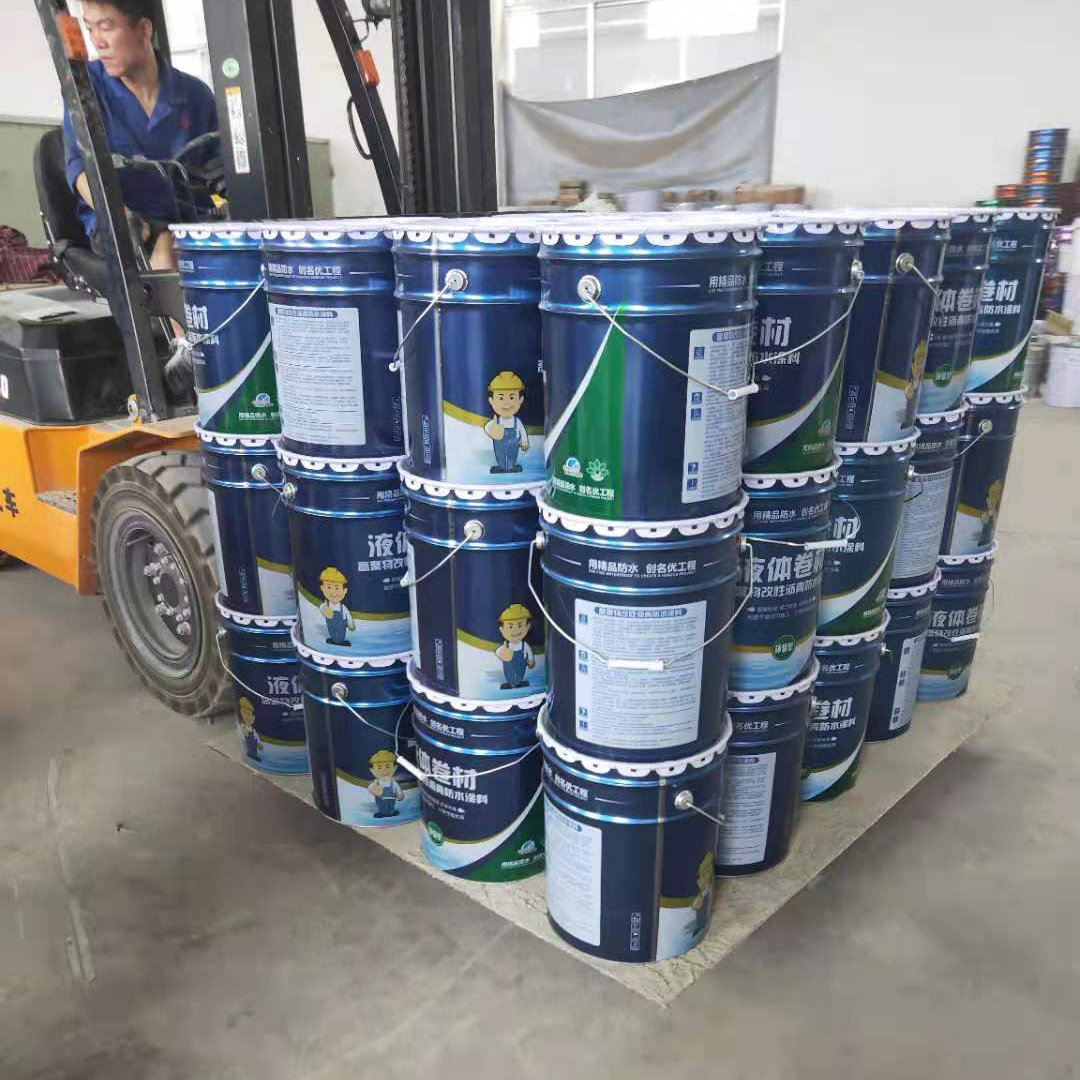
Every roll of sheet membrane arrives with a designed discontinuity: the lap. A flexible liquid applied waterproofing membrane removes that discontinuity by curing into a single film across the whole deck. It sounds like a small change of method, yet it alters where stress concentrates, how water finds a path, and what an inspector can verify at handover.
A lap is a joint between two pieces of material, and joints concentrate stress: the top ply ends, the adhesive carries load, and thermal cycling works that line twice as hard as the field. A seamless waterproofing membrane has no such line. The same holds at upstands and penetrations, where a sheet must be cut and patched. A flexible liquid applied waterproofing membrane replaces those cuts with continuous material, and a polyurethane liquid membrane follows the geometry instead of fighting it. A liquid waterproofing coating still needs designed details at construction and movement joints; what it removes is the joint it would otherwise have introduced.
Curing changes the material's status. The wet film covers the substrate and then crosslinks into a layer bonded across its full area, whatever tool placed it there: brush, roller or spray. A liquid waterproofing coating has no separate adhesive to fail and no lap to peel, so a polyurethane liquid membrane behaves as a coating for hours and as a membrane for the rest of its life. A seamless waterproofing membrane bonded over the whole surface also limits lateral travel beneath a defect, turning a hidden leak into a visible damp patch. Full bond plus continuity is what a flexible liquid applied waterproofing membrane offers, and it is why a crack bridging membrane must also be bonded to earn the name.
Flexibility is stated as elongation at break, and this product publishes at least 450%, with tensile strength of at least 1.5 MPa and solid content of at least 80%. The cured film bridges substrate cracks up to 5 mm. That is the working meaning of a crack bridging membrane: it spans a gap rather than merely stretching over it. A polyurethane liquid membrane reaching those figures still depends on bond and thickness, because a flexible liquid applied waterproofing membrane tested in a laboratory describes a film, not an assembly. Water tightness is published separately, as a pass at 0.4 MPa for 30 minutes, and a seamless waterproofing membrane should be judged on both readings.
Geometry is where the argument becomes practical. A parapet upstand, drain surround, cluster of service penetrations and curved plinth present a sheet with corners it cannot follow without cuts. A flexible liquid applied waterproofing membrane wraps them in one pass, with reinforcing fabric at sharp changes of plane. A polyurethane liquid membrane can run from field into upstand and around a pipe without a termination, and a seamless waterproofing membrane keeps one film across all of it. A crack bridging membrane also copes with the small movement at these junctions, which is where leaks concentrate. A liquid waterproofing coating is chosen here for continuity, not speed.
Application rate is a specification, not a suggestion, and it decides whether the film performs as tested. The published figure is 1.5–2.5 kg/m² in two or three coats, spread over separate passes and checked between them. Applied below that rate, a liquid waterproofing coating may cure too thin to bridge movement. Extra material does not proportionally improve bridging; consistent coverage matters more than one heavy coat. Wet film can be checked with a comb gauge on each pass, and dry film follows from solid content of at least 80%. A crack bridging membrane is only as good as its thinnest area. A flexible liquid applied waterproofing membrane applied at the stated rate, and a polyurethane liquid membrane detailed at junctions, give a seamless waterproofing membrane a chance to perform as tested.
The seamless case is strongest on roofs with many penetrations, on basement slabs where lateral migration would stay hidden, and on balconies and wet rooms where tiles conceal the waterproofing. It is weaker where a trafficable surface needs abrasion resistance the film lacks, or where the substrate is wet and cannot be dried. In an anonymised hospital terrace refurbishment, the crew could not remove the existing screed, so sheet laps would have landed on an uneven base. A flexible liquid applied waterproofing membrane was applied over the primed surface at the published rate, with fabric at junctions, and a flood test followed. The seamless waterproofing membrane passed, and the polyurethane liquid membrane held continuity around forty penetrations. A crack bridging membrane and a liquid waterproofing coating earned their place on the same detail.
It can bridge movement up to the published 5 mm, provided the film is applied at the specified rate. Active joints still need a designed detail, and the film must stay bonded on both sides of the opening; a crack bridging membrane is no substitute for a movement joint.
Wet film with a comb gauge during application, then dry film from solid content of at least 80%. A liquid waterproofing coating checked only at handover hides thin spots, and a polyurethane liquid membrane should be measured coat by coat.
No. It means the membrane introduces none of its own. Construction joints, movement joints and transitions to other systems still require designed details, which is why a seamless waterproofing membrane is a system rather than a shortcut.

2026/11/20
How an APP waterproof membrane handles heat: 130°C softening point, torch application windows, overheating signs, summer storage, and thermal aging checks.

2026/11/20
The science of a breathable waterproof membrane: water vapor diffusion, Sd values, three grammage grades, water column resistance, and wrong-use cases.

2026/11/20
Single-ply or two-ply, every flat roof is a stack. See how a self adhesive waterproof membrane for roof systems handles base, cap, insulation and drains.

2026/11/20
How the polyester scrim sets tensile strength and dimensional stability of reinforced TPO membrane rolls, with welding, roll sizes and selection tips.

2026/11/20
How an aluminum foil coated bitumen waterproof membrane reflects solar radiation, lowers surface temperature, and what maintenance keeps savings alive.

2026/11/20
SBS modified bitumen waterproof membrane property groups: tensile strength, low-temperature flexibility, heat resistance, surface finishes, applications.
Links to the corresponding full news page.

The eight questions overseas buyers ask most — factory ownership, capacity, batch consistency and lead times, answered straight.

SBS membranes, polymer sheets, coatings and geomembranes — six product lines are operating simultaneously.

Pre-sales specification, on-site technical support and post-delivery maintenance across 100+ export markets.

Waterproofing performance is decided in the specification and the detailing, not just the material. Our technical team helps you select the right system, resolve site questions as they arise, and stay reachable long after the container lands.
