 EN
APP Waterproof Membrane: High-Temperature Stability Guide
2026/11/20
How an APP waterproof membrane handles heat: 130°C softening point, torch application windows, overheating signs, summer storage, and thermal aging checks.

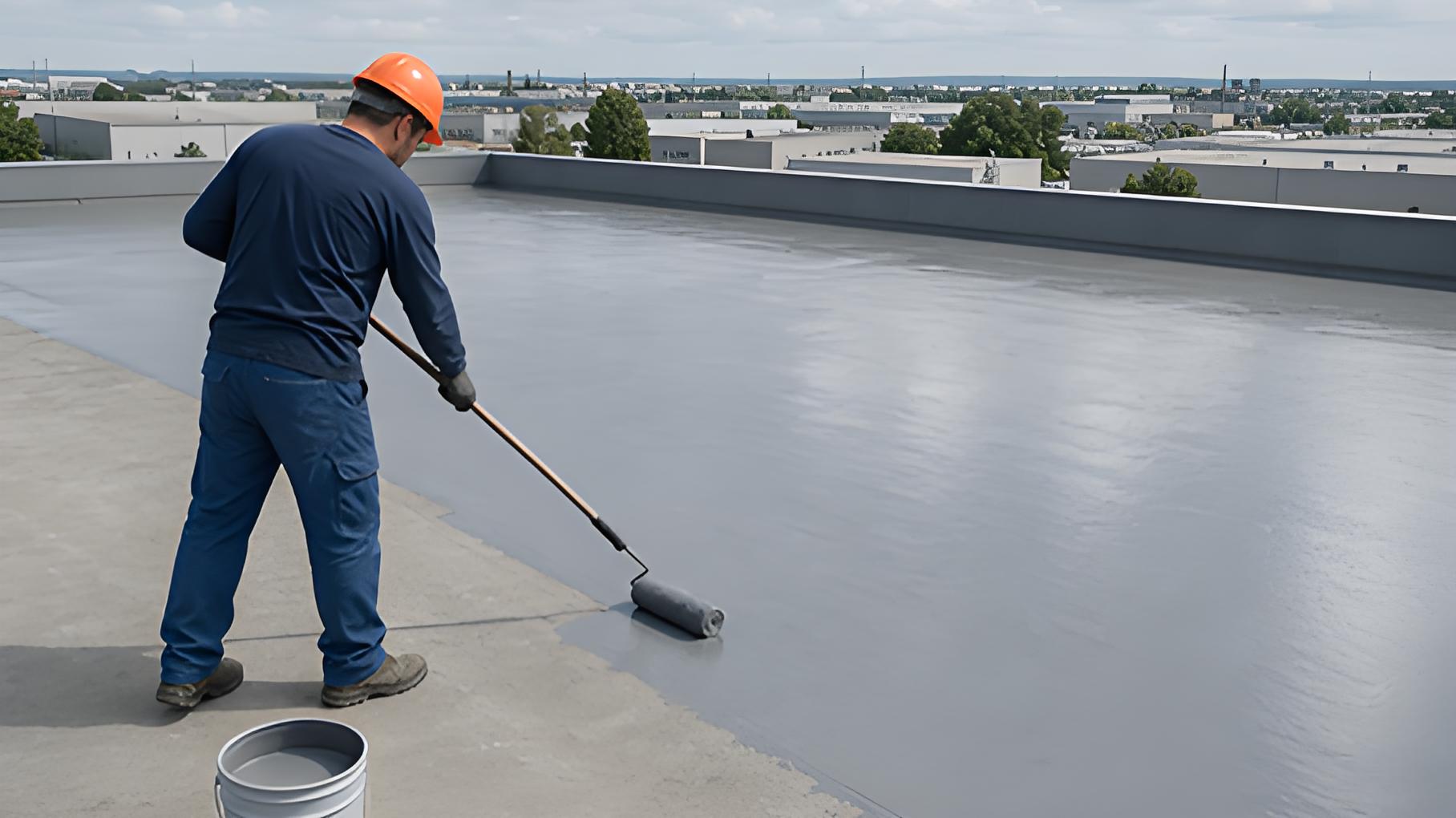
SBS membranes, polymer sheets, coatings and geomembranes — six product lines operating simultaneously at JDT's Shouguang factories, and how to choose between them.
Most waterproofing suppliers ask you to choose a product before you have described the problem. We would rather do it the other way round. Below is what actually comes off our lines in Shouguang, what each material is good at, and — just as usefully — where each one stops being the right answer.
Shandong Dingtai Waterproof Technology Co., Ltd., brand name JinDingTai (JDT), manufactures waterproof membranes and waterproof coatings in Shouguang City, Shandong. SBS membranes, polymer sheets, coatings and geomembranes — six product lines are operating simultaneously. Total annual membrane capacity is 20 million m², with 11,000 tons of annual coating output. The SBS modified bitumen membrane line accounts for 10 million m² of that membrane capacity on its own.
SBS modified bitumen membrane: the workhorse
Our largest single line produces SBS modified bitumen waterproof membrane at 10 million m² per year. It is the material most people picture when they hear "waterproofing membrane": a bitumen compound modified with SBS polymer, carried on a reinforcement fabric, supplied in rolls and torch-applied on site.
The reason it remains the default for large roofs is the combination of thickness, toughness and repairability. A torch-on bitumen system produces a substantial, continuous layer that tolerates foot traffic during follow-on trades, and when something does go wrong years later, the repair is well understood by every roofing crew on the planet. UV-stable finishes are rated for decades of exposure.
Where it is less suitable: enclosed spaces where open-flame application is restricted, and complex geometries where a sheet product spends more time being cut than laid.
Polymer membrane: hot-air welded sheets
Alongside bitumen, we produce polymer waterproof membranes installed by hot-air welding rather than open flame. On commercial roofing — office buildings, shopping malls, hotels and public facilities — welded polymer sheets deliver long-term leak protection across large roof areas, with lighter weight per square metre than a comparable bitumen build-up.
The trade-off is workmanship dependency. A welded seam is only as good as the machine settings and the operator, which is why we would rather talk to a buyer about their installation crew's experience than simply quote the cheapest sheet.
Self-adhesive membrane: below-grade, no open flame
For basements, tunnels, car parks and foundations, we produce cold-applied self-adhesive membranes that bond directly to concrete with no open flame. This is the material category that has grown fastest in our export mix, for a straightforward reason: fire regulations on below-grade and occupied sites increasingly rule out torching, and a self-adhesive system removes the issue rather than managing it.
Below-grade waterproofing is also unforgiving in a way roofing is not. A roof leak is visible and reachable; a basement leak appears somewhere other than where it entered, behind structure that is expensive to open. That is why below-grade specifications usually pair a sheet membrane with a liquid product at the details.
Liquid-applied coatings: sealing what sheets cannot
We manufacture a complete range of liquid-applied waterproof coatings for roofing, basements, bathrooms, balconies and water tanks, at 11,000 tons of annual output.
Liquid coatings exist for the places sheet materials struggle: pipe penetrations, internal and external corners, construction joints, upstands, drains and small irregular areas. These are exactly the places where leaks usually begin. A roof rarely fails in the middle of an open field of membrane — it fails where the membrane had to negotiate an obstacle.
In practice, most projects we supply use both: sheet across the open area, liquid at every detail. Sourcing them from the same manufacturer avoids the classic compatibility problem, where a coating chosen separately quietly attacks the membrane it is meant to be protecting.
HDPE geomembranes and geotextiles: containment
For landfills, reservoirs, tailings ponds and aquaculture, we produce HDPE geomembranes from 99% virgin resin, paired with protective geotextiles. These meet international thickness and tensile standards, with CE-compliant documentation available.
Virgin resin is not a marketing detail in this category — it is the specification. Recycled content introduces variability in exactly the properties containment projects are engineered around: long-term stress-crack resistance, weld consistency and tensile behaviour. When a liner is buried under a landfill cell, there is no realistic remediation path, so the material either meets standard or it does not.
Resin floor systems: industrial flooring
Our sixth line produces epoxy and polyurethane floor coatings for warehouses, workshops, car parks and processing plants. These builds produce a dust-free, chemical-resistant surface rated for forklift traffic, with anti-static and food-grade specifications available on request.
Flooring often arrives in an enquiry as an afterthought — a buyer sourcing roof membrane mentions that the warehouse slab also needs doing. Since it runs on our own line, it can be added to an existing order rather than sourced separately.
Why "operating simultaneously" is the operative phrase
Six product lines is a specification list. Six product lines running in parallel is a delivery capability, and the distinction is the whole point.
A major capacity investment in 2020 brought six production lines into operation, which meant membranes, coatings and geosynthetics could run at the same time instead of queuing for shared capacity. That is why a mixed order today ships as one consignment, not three. Before that investment, a buyer wanting bitumen membrane, liquid coating and geotextile in one purchase order was really placing three orders that happened to share an invoice — each waiting its turn, each with its own ready date.
For an importer, consolidating a mixed order into a single consignment collapses three sets of freight, documents and customs events into one. For a contractor, it means the detail coatings arrive with the membrane they are meant to be installed alongside, rather than three weeks later.
How to brief us
The most efficient enquiry we can receive is not a product code. It is a description of the situation: what structure, what exposure, what installation constraints (is open flame permitted?), what climate, what documentation the project requires, and what quantity across what schedule.
From that, we can tell you which of the six lines your project actually needs — including the times when the honest answer is fewer products than you were planning to buy. Every product discussed above is made on our own lines in Shouguang, so what we recommend and what we ship are the same thing.

2026/11/20
How an APP waterproof membrane handles heat: 130°C softening point, torch application windows, overheating signs, summer storage, and thermal aging checks.

2026/11/20
The science of a breathable waterproof membrane: water vapor diffusion, Sd values, three grammage grades, water column resistance, and wrong-use cases.

2026/11/20
Single-ply or two-ply, every flat roof is a stack. See how a self adhesive waterproof membrane for roof systems handles base, cap, insulation and drains.

2026/11/20
How the polyester scrim sets tensile strength and dimensional stability of reinforced TPO membrane rolls, with welding, roll sizes and selection tips.

2026/11/20
How an aluminum foil coated bitumen waterproof membrane reflects solar radiation, lowers surface temperature, and what maintenance keeps savings alive.

2026/11/20
SBS modified bitumen waterproof membrane property groups: tensile strength, low-temperature flexibility, heat resistance, surface finishes, applications.
Links to the corresponding full news page.

The eight questions overseas buyers ask most — factory ownership, capacity, batch consistency and lead times, answered straight.

SBS membranes, polymer sheets, coatings and geomembranes — six product lines are operating simultaneously.

Pre-sales specification, on-site technical support and post-delivery maintenance across 100+ export markets.

Waterproofing performance is decided in the specification and the detailing, not just the material. Our technical team helps you select the right system, resolve site questions as they arise, and stay reachable long after the container lands.
