
 EN
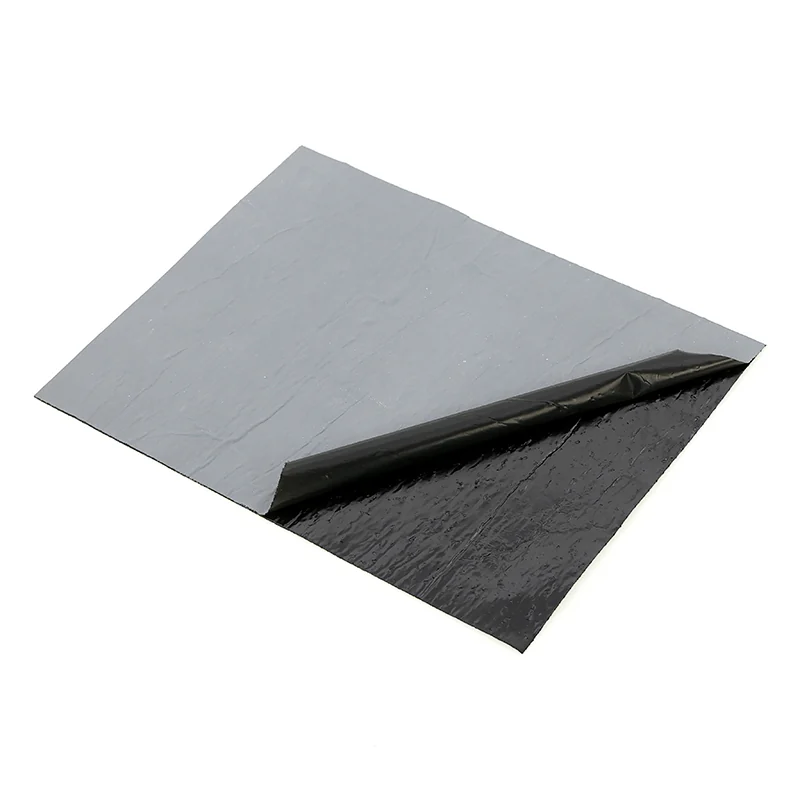
A specification is a purchasing tool, not a brochure. It decides what a contractor may install and what an inspector may reject, and sections run in a fixed order: identity, standard, performance rows, test method, packing, application. A membrane specification sheet that answers those six questions rarely needs a second revision. An SBS modified bitumen membrane offer can then be compared with an APP modified bitumen membrane quotation against the waterproofing membrane standard named in the tender, which turns the modified bitumen waterproof membrane specification into a scoring instrument.
Scope: Say Where the Sheet May Be Used
The scope clause states where the product may and may not go: exposed roofing, buried walls, bridge decks, interior wet areas. When a supplier writes "suitable for all waterproofing", the buyer has learned nothing checkable. A useful scope names substrate types, slope range, and whether an APP modified bitumen membrane sits as cap or as intermediate layer under ballast. It also settles the handover argument about whether the material suited that detail. Where the waterproofing membrane standard allows several configurations, this clause narrows them, and the modified bitumen waterproof membrane specification becomes enforceable. A membrane specification sheet without a scope is a catalogue page.
Marking, Reinforcement and the Standard Cited
Every credible sheet cites a standard and marking code. Torch-applied elastomeric grades in our range are tested to GB 18242 and EN 13707, and the marking line compresses polymer, reinforcement, thickness and finish into one string. Read document, certificate and roll label as a set; a tender marking that differs from the pallet marking is non-conforming. Reinforcement belongs in the marking, not a footnote: an SBS modified bitumen membrane tested on polyester is not comparable with a fiberglass version at the same thickness. A membrane specification sheet that hides reinforcement hides the variable that moves tensile strength, and no waterproofing membrane standard can repair that.
The Property Table: Where SBS and APP Diverge
Both polymers are modified bitumen, supplied in 3mm, 4mm and 5mm at 1m × 10m, torch-applied with 80–100mm laps. Four rows differ.
| Property | SBS grade | APP grade | | Tensile strength | ≥ 800 N/50mm | ≥ 600 N/50mm | | Elongation at break | ≥ 40% | ≥ 25% | | Low-temperature flexibility | -25°C | -5°C / -10°C | | Heat resistance | 90°C | 130°C |
An SBS modified bitumen membrane answers winter contraction. An APP modified bitumen membrane answers solar gain, where a 130°C softening point keeps an exposed surface from flowing. Writing the wrong polymer into those rows is a drafting error no inspection can correct; keeping the table separate in a membrane specification sheet is the cheapest safeguard. The standard fixes the test rather than the climate.
Test Methods and Acceptance Rules
Every figure needs a method. "≥ 800 N/50mm" means little until the clause names specimen width, jaw separation rate and specimens per batch. The project clause decides whether the default applies or a stricter method does, and a waterproofing membrane standard is the reference that settles that choice. Acceptance rules follow: batch size, sampling frequency, retest procedure, consequence of failure. A modified bitumen waterproof membrane specification that omits the retest rule leaves pass or reject and nothing between, which ends in an argument at the gate. Keeping that rule in the membrane specification sheet also tells the site who may open a pallet.
Packaging, Storage and Transport
Storage clauses read like logistics but behave like quality control. State core diameter, wrap material, pallet pattern and stacking limit, then add the line: upright, shaded, off the ground. Silence invites horizontal stacking through a hot summer, and a flattened APP modified bitumen membrane roll wrinkles at the lap when the torch arrives. For export, add the loading rule and pallet marks, because a waterproofing membrane standard says nothing about presenting a shipment to a customs officer. An SBS modified bitumen membrane stored this way still fuses cleanly in winter, and the modified bitumen waterproof membrane specification should say so in one plain sentence.
Application Clauses, Hold Points and a Cautionary Case
The last technical section carries contractor-facing rules: substrate moisture, primer coverage, torch technique, lap width and closing tests. It should name who verifies each hold point and which record is kept. Without that, the waterproofing membrane standard cited at the front has no route to the roof, and the modified bitumen waterproof membrane specification becomes a filing item.
A cold-store extension in a continental climate was specified with a heat-resistant APP modified bitumen membrane because the designer copied a hot-climate project. Every roll met every figure in it. The sheet still cracked at the first hard winter, because the flexibility row had been written for -5°C while the site needed -25°C. The SBS modified bitumen membrane that belonged in that row was not ordered. Neither factory testing nor site inspection could catch it; both checked the document, not the climate. A membrane specification sheet is only as good as the project data behind its rows.
Frequently Asked Questions
Who writes the property table, buyer or supplier?
The buyer sets the performance rows; the supplier fills in verified values with reports attached. A table written only by the seller describes what exists, not what the project needs. Keep the SBS modified bitumen membrane and APP modified bitumen membrane rows apart so nobody can average them.
Can one template serve both polymers?
Only as a shell. Scope, standards, test method and packaging clauses can be shared, but the property rows must split, because tensile strength, elongation, heat resistance and flexibility move together. A membrane specification sheet that merges them invites a substitution at the pallet.
How long should the document run?
Long enough to carry the sections above. Four to six pages is common. The value sits in the test method and acceptance clauses, and the modified bitumen waterproof membrane specification that buries the flexibility row will not be read to the end.










