 EN
APP Waterproof Membrane: High-Temperature Stability Guide
2026/11/20
How an APP waterproof membrane handles heat: 130°C softening point, torch application windows, overheating signs, summer storage, and thermal aging checks.

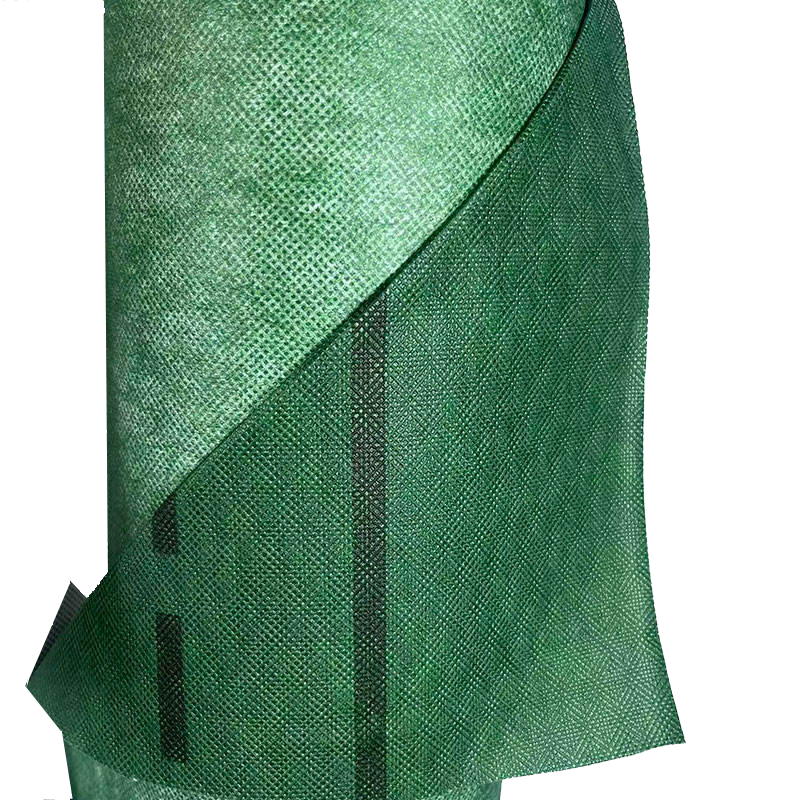
In modern building envelopes, choosing a non woven polypropylene breathable membrane is an essential decision for managing complex moisture dynamics. A non woven polypropylene breathable membrane serves as an engineered exterior barrier that repels liquid precipitation while facilitating water vapor escape. If project teams specify an incompatible underlay, condensation can accumulate within thermal insulation cavities. Installing a certified non woven polypropylene breathable membrane protects structural framing against rot, wind-driven snow, and incidental roof leaks. For commercial roofing contractors, a non woven polypropylene breathable membrane delivers the balanced moisture management needed for long-term building durability.
The operational effectiveness of a non woven polypropylene breathable membrane stems from its advanced composite construction. Typically, a non woven polypropylene breathable membrane incorporates two durable spunbond polypropylene protective layers bonded to a functional microporous core film. This tri-laminate composition provides the non woven polypropylene breathable membrane with exceptional tensile strength, preventing tears around fasteners during windy installations. While liquid water cannot penetrate a high-grade non woven polypropylene breathable membrane due to surface tension, microscopic vapor molecules diffuse freely through the polymer matrix. Specifying a quality non woven polypropylene breathable membrane ensures continuous weatherproofing without sacrificing structural ventilation.
Evaluating a non woven polypropylene breathable membrane requires assessing vapor permeability and hydrostatic water resistance separately. The vapor diffusion rate of a non woven polypropylene breathable membrane is quantified by its equivalent air layer thickness, designated as the Sd value. A lower Sd measurement indicates that the non woven polypropylene breathable membrane permits rapid outward vapor movement. However, low vapor resistance does not automatically guarantee that a non woven polypropylene breathable membrane resists heavy rainfall. Specifiers must verify that the non woven polypropylene breathable membrane achieves a certified W1 water tightness classification under standard test protocols. Selecting an engineered non woven polypropylene breathable membrane ensures balanced drying potential and heavy rain protection.
Correct jobsite orientation dictates the performance of any non woven polypropylene breathable membrane. In pitched roofing assemblies, the non woven polypropylene breathable membrane belongs exclusively on the cold exterior side of the thermal insulation layer. Positioning the non woven polypropylene breathable membrane directly behind battens and roof tiles creates a secondary drainage path that sheds incidental water. Placing a non woven polypropylene breathable membrane on the warm conditioned side of insulation is an installation error that traps moisture inside the assembly. For external wall facades, the non woven polypropylene breathable membrane should be installed over exterior sheathing within a ventilated rainscreen cavity. This orientation allows the non woven polypropylene breathable membrane to protect wall studs from driven rain while releasing internal humidity.
Comparing modern synthetic underlays with traditional roofing materials highlights significant performance differences. Conventional asphalt felts are heavy, prone to cracking in cold weather, and create an impermeable layer that blocks vapor transmission. In contrast, a non woven polypropylene breathable membrane offers a lightweight, flexible roll format that simplifies jobsite handling. Using a non woven polypropylene breathable membrane speeds up project completion because installers can position and cut rolls quickly along roof trusses. Furthermore, a non woven polypropylene breathable membrane maintains pliability across extreme weather conditions without softening or breaking. Specifying a modern non woven polypropylene breathable membrane reduces dead load on timber framing while enhancing building breathability.
Commercial sourcing managers must enforce strict quality standards when purchasing a non woven polypropylene breathable membrane. Procuring a non woven polypropylene breathable membrane directly from an experienced manufacturer ensures consistent roll dimensions, uniform mass per unit area, and dependable ultraviolet stability. Shandong Dingtai Waterproof Technology Co., Ltd. manufactures high-performance non woven polypropylene breathable membrane rolls designed for international commercial and residential construction codes. When reviewing submittals for a non woven polypropylene breathable membrane, buyers should demand comprehensive laboratory test reports covering nail-tear resistance and aging properties. Sourcing a certified non woven polypropylene breathable membrane protects distributors from premature warranty claims. Investing in a proven non woven polypropylene breathable membrane ensures durable weatherproofing across demanding climates.
No, a non woven polypropylene breathable membrane must never be exposed to solar radiation beyond its declared ultraviolet stability rating. Most building specifications require covering a non woven polypropylene breathable membrane with primary roofing tiles or facade cladding within four to twelve weeks. Prolonged ultraviolet exposure degrades the functional microporous film inside the non woven polypropylene breathable membrane, compromising its liquid water resistance.
The Sd value quantifies the water vapor diffusion resistance of a non woven polypropylene breathable membrane compared to an equivalent thickness of still air. A lower Sd value means the non woven polypropylene breathable membrane allows internal humidity to escape more efficiently into the ventilation cavity. For lightweight roofs, an optimal non woven polypropylene breathable membrane typically maintains an Sd rating below zero point two meters.
All horizontal and vertical laps on a non woven polypropylene breathable membrane should be sealed using approved acrylic or butyl seam tapes. Installers should maintain a minimum overlap of one hundred and fifty millimeters across all joints of the non woven polypropylene breathable membrane. Sealing penetrations and overlaps ensures that the non woven polypropylene breathable membrane functions as an airtight, watertight secondary weather barrier.

2026/11/20
How an APP waterproof membrane handles heat: 130°C softening point, torch application windows, overheating signs, summer storage, and thermal aging checks.

2026/11/20
The science of a breathable waterproof membrane: water vapor diffusion, Sd values, three grammage grades, water column resistance, and wrong-use cases.

2026/11/20
Single-ply or two-ply, every flat roof is a stack. See how a self adhesive waterproof membrane for roof systems handles base, cap, insulation and drains.

2026/11/20
How the polyester scrim sets tensile strength and dimensional stability of reinforced TPO membrane rolls, with welding, roll sizes and selection tips.

2026/11/20
How an aluminum foil coated bitumen waterproof membrane reflects solar radiation, lowers surface temperature, and what maintenance keeps savings alive.

2026/11/20
SBS modified bitumen waterproof membrane property groups: tensile strength, low-temperature flexibility, heat resistance, surface finishes, applications.
Links to the corresponding full news page.

The eight questions overseas buyers ask most — factory ownership, capacity, batch consistency and lead times, answered straight.

SBS membranes, polymer sheets, coatings and geomembranes — six product lines are operating simultaneously.

Pre-sales specification, on-site technical support and post-delivery maintenance across 100+ export markets.

Waterproofing performance is decided in the specification and the detailing, not just the material. Our technical team helps you select the right system, resolve site questions as they arise, and stay reachable long after the container lands.
