 EN
APP Waterproof Membrane: High-Temperature Stability Guide
2026/11/20
How an APP waterproof membrane handles heat: 130°C softening point, torch application windows, overheating signs, summer storage, and thermal aging checks.

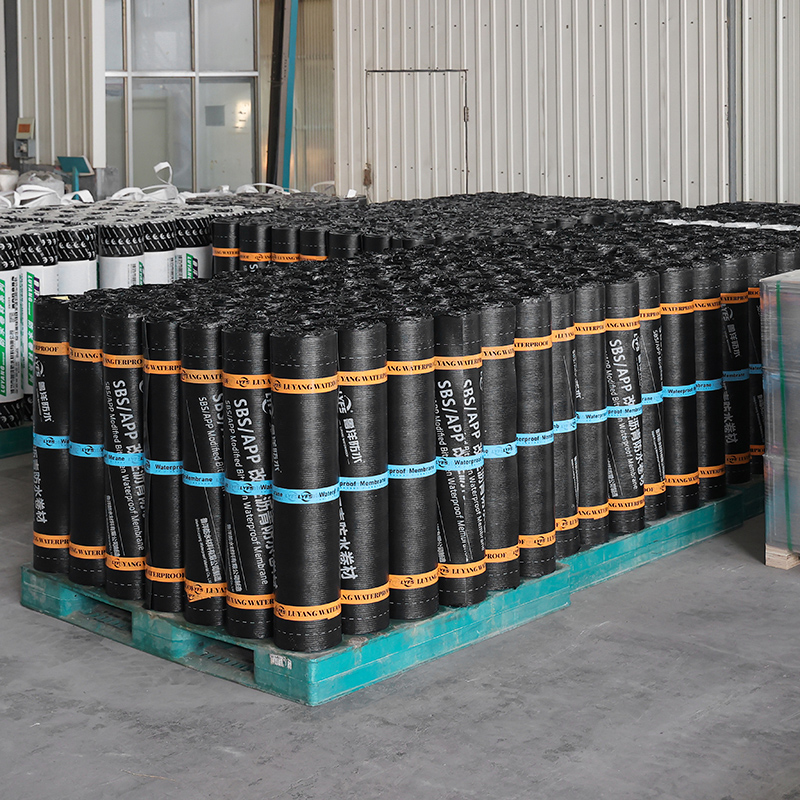
For a professional contractor, utilizing a polyethylene polypropylene waterproofing membrane is rarely a simple roll-and-go choice. Although this composite sheet is light to handle on site, its final waterproofing performance depends entirely on base preparation, bonding mortar quality, joint lap treatment, and protective layer installation. This technical guide focuses on the practical engineering questions before your installation crew starts spreading mortar. A high-performance polyethylene polypropylene waterproofing membrane generally refers to a composite sheet built around a continuous polyethylene film combined with robust polypropylene fiber layers on both sides. The inner polyethylene core provides the primary water-resisting layer, while the fibrous polypropylene faces form a strong mechanical bond with cementitious bonding mortar. This unique dual-polymer construction is why the material is specified for full-bond applications rather than for loose placement alone.
In a standard polyethylene polypropylene waterproofing membrane, the central polyethylene core and the outer polypropylene fiber surfaces have completely different roles. The solid core must remain continuous and protected from any physical puncture during subsequent construction phases. Meanwhile, the fiber-facing surface provides polymer-cement mortar with a dense mechanical interface across the entire sheet, helping the fully bonded system act as a unified barrier rather than as a loose membrane resting on isolated adhesive spots. This construction makes a roll of polyethylene polypropylene waterproofing membrane much easier to cut and position than some heavier, sticky bituminous assemblies. However, this flexibility does not remove the essential requirement for a sound substrate. A thin, low-elongation sheet cannot correct active structural cracks or debonded screeds, meaning the substrate must always be treated as a critical part of the integrated waterproofing system.
When comparing different weight grades of this material, such as a 300g 400g or 500g polyethylene polypropylene waterproofing membrane, do not assume that a higher nominal weight alone guarantees performance. Project managers should always ask a double polymer polyethylene propylene membrane exporter for the relevant product datasheet, intended application scope, thickness tolerances, tensile strength, and specified bonding methods. The correct grade is the one that matches the detailed design, expected environmental exposure, protection plan, and local building codes. Do not assume different weights of polyethylene polypropylene waterproofing membrane are interchangeable on site because thickness, reinforcement, and joint instructions can vary significantly. A standard dpc plastic sheet roll for wall damp proofing might work for simpler vertical barriers, but a heavier polyethylene polypropylene waterproofing membrane is required for demanding horizontal or below-grade waterproofing applications.
In below-grade applications and basement walls, establishing full contact is extremely valuable because it eliminates concealed pathways for lateral water migration behind the sheet if a local defect occurs. Base preparation is especially critical here, as concrete fins, tie holes, and abrupt changes in plane must be repaired with polymer mortar before the polyethylene polypropylene waterproofing membrane is laid. Corners, pipe penetrations, and structural construction joints always require the specified reinforcing detailing treatment as outlined by the design engineer. Do not attempt to use the main field sheet of polyethylene polypropylene waterproofing membrane as a substitute for a properly designed joint sealing system.
Civil engineering projects like metro tunnels introduce complex geometry, staged construction sequences, and severe physical protection challenges. A polyethylene polypropylene waterproofing membrane is often specified where the approved engineering design calls for a fully bonded composite sheet, but tunnel joint movement, drainage strategy, hydrostatic water pressure, and subsequent concrete placement must be designed as a single system. Builders must confirm chemical and physical compatibility with the structural concrete sequence before procuring rolls from a double sided polymer polyethylene propylene membrane supplier. The success of a polyethylene polypropylene waterproofing membrane in these heavy civil environments depends entirely on detailed joint engineering and rigorous quality control during the mortar application phase.
For a modern planted roof, waterproofing is only one layer in a complex multi-layer stack that includes root barriers, drainage boards, filter fabrics, and thermal insulation. Do not assume root resistance from a standard polyethylene polypropylene waterproofing membrane description alone unless it is explicitly certified. The system designer must specify a compatible root barrier and appropriate protection layers, then verify that the adhesive interface of the polyethylene polypropylene waterproofing membrane is fully compatible with the surrounding materials. Failing to protect the polyethylene polypropylene waterproofing membrane from root penetration can lead to leaks that are costly to locate and repair once the soil and landscaping are in place.
Before choosing this material, check the concrete moisture condition, surface cleanliness, active structural cracks, weak laitance, and areas likely to move independently. Mark all necessary repairs and obtain official sign-off on the base before spreading any bonding mortar for the polyethylene polypropylene waterproofing membrane. For stable and continuous concrete bases, suitable conditions exist for a full-bond approach once the surface is cleaned and slightly dampened. However, for active joints or areas with expected thermal movement, you must use the movement-joint detail specified by the designer rather than bridging it with the field polyethylene polypropylene waterproofing membrane and hoping the sheet will absorb the stress.
Installing a polyethylene polypropylene waterproofing membrane requires disciplined, sequential site procedures. First, clean away all structural dust, curing agents, oil, and standing water, then repair concrete defects to form smooth transitions at internal corners. Next, plan the roll layout, sheet direction, lap locations, and terminations before mixing any mortar to keep seams away from complex details. Mix the specified polymer-cement mortar according to the correct water ratio, allowing any stated maturing time without retempering the material. Spread the mixed mortar evenly over a manageable area, then embed the polyethylene polypropylene waterproofing membrane into the fresh mortar, working from the center outward with a roller to expel trapped air. Form all overlaps, corners, and terminations exactly as required, ensuring a minimum lap of 100 millimeters across the polyethylene polypropylene waterproofing membrane, and protect the finished assembly from foot traffic until the mortar has fully cured.
There are several frequently asked questions regarding the on site application of a polyethylene polypropylene waterproofing membrane. Builders often ask if a standard polyethylene polypropylene waterproofing membrane can be used as a root barrier on green roofs, but the answer is that you must verify explicit root resistance certification before using a standard polyethylene polypropylene waterproofing membrane in such conditions. Another common query is whether a polyethylene polypropylene waterproofing membrane can be laid on a damp concrete surface, and the general rule is that while the substrate should be slightly damp to prevent polymer cement mortar from drying too quickly, a completely wet surface with standing water will ruin the bond of the polyethylene polypropylene waterproofing membrane. Finally, contractors often ask about the minimum curing time before laying tiles or protection layers over a newly installed polyethylene polypropylene waterproofing membrane, which typically requires at least twenty four to forty eight hours of curing.
Supervisors should inspect each work area while the bonding mortar is still wet and workable, not just at the end of the construction shift. Look closely for wrinkles, fish mouths, unbonded laps, damaged core film, incomplete mortar coverage, and unsealed edge transitions. Confirm roll batch traceability, daily weather conditions, and repair locations in the official daily construction log, and photograph all concealed work before protection layers are installed over the polyethylene polypropylene waterproofing membrane. A practical site test is to check whether every section of the polyethylene polypropylene waterproofing membrane has a clear, documented answer regarding what it is bonded to, how it drains, and what physical layer protects it next.
When evaluating your options, a polyethylene polypropylene waterproofing membrane is highly useful where a bonded cementitious interface and manageable roll handling suit the stable substrate design. In contrast, traditional bituminous sheet membranes are a common choice for many roofs but require hot-melt or torch application which increases safety risks. Liquid-applied waterproofing systems can easily accommodate irregular geometries but depend heavily on wet-film thickness control and perfect cure conditions. Cementitious coatings are convenient for local mineral repairs but offer very limited crack-bridging capability compared to a continuous polyethylene polypropylene waterproofing membrane. Ultimately, cost-performance should be judged as a fully installed system cost, including substrate preparation, mortar consumption, labor speed, protection layers, and inspection time, rather than comparing roll prices alone.

2026/11/20
How an APP waterproof membrane handles heat: 130°C softening point, torch application windows, overheating signs, summer storage, and thermal aging checks.

2026/11/20
The science of a breathable waterproof membrane: water vapor diffusion, Sd values, three grammage grades, water column resistance, and wrong-use cases.

2026/11/20
Single-ply or two-ply, every flat roof is a stack. See how a self adhesive waterproof membrane for roof systems handles base, cap, insulation and drains.

2026/11/20
How the polyester scrim sets tensile strength and dimensional stability of reinforced TPO membrane rolls, with welding, roll sizes and selection tips.

2026/11/20
How an aluminum foil coated bitumen waterproof membrane reflects solar radiation, lowers surface temperature, and what maintenance keeps savings alive.

2026/11/20
SBS modified bitumen waterproof membrane property groups: tensile strength, low-temperature flexibility, heat resistance, surface finishes, applications.
Links to the corresponding full news page.

The eight questions overseas buyers ask most — factory ownership, capacity, batch consistency and lead times, answered straight.

SBS membranes, polymer sheets, coatings and geomembranes — six product lines are operating simultaneously.

Pre-sales specification, on-site technical support and post-delivery maintenance across 100+ export markets.

Waterproofing performance is decided in the specification and the detailing, not just the material. Our technical team helps you select the right system, resolve site questions as they arise, and stay reachable long after the container lands.
