 EN
APP Waterproof Membrane: High-Temperature Stability Guide
2026/11/20
How an APP waterproof membrane handles heat: 130°C softening point, torch application windows, overheating signs, summer storage, and thermal aging checks.

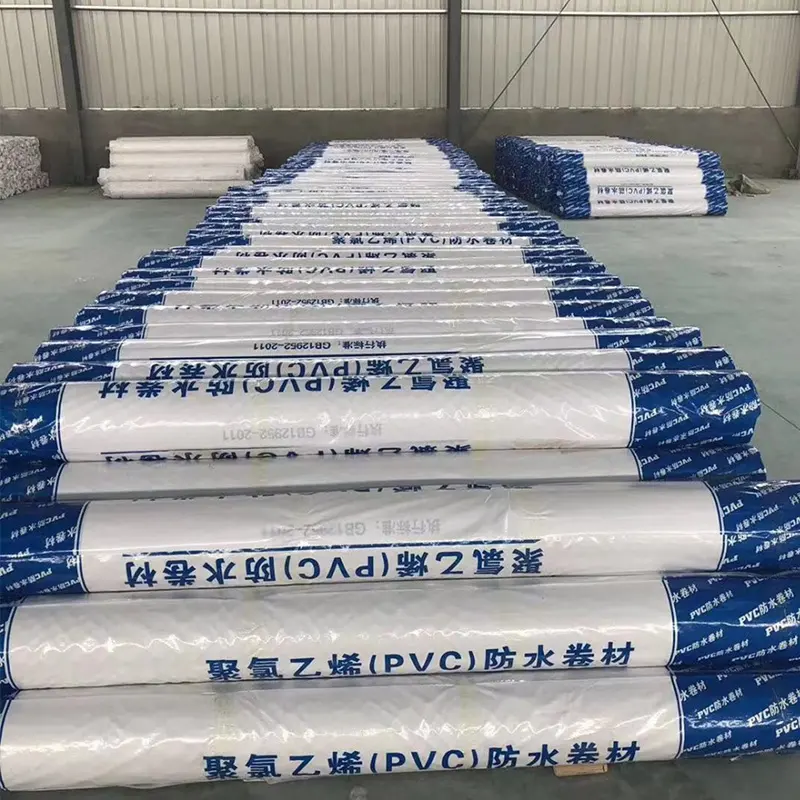
Most quotations for a polyethylene propylene waterproofing membrane arrive as one number per roll, which hides more than it reveals. Build the purchase backwards: start from the total a project can commit, then divide it across grade selection, net coverage, bonded-system consumables, and contingency stock — the four lines that fix the waterproofing project budget and the total waterproofing membrane cost.
The published polyethylene propylene waterproofing membrane range spans 100–200 g/m² at 0.3–0.5mm, 300–400 g/m² at 0.6–0.8mm, and 500–600 g/m² at 1.0mm. Weight roughly doubles between bands and the cost per square metre follows the same ladder — the largest single lever on the waterproofing membrane cost. Match the band to exposure first: lightweight for interior wet rooms, bathrooms, and balcony overlays; medium for roofing, basements, and civil work at 0.4 MPa water tightness; heavy, tested at 0.6 MPa, for tunnels, reservoirs, and sustained hydrostatic pressure. Only after the band is fixed does any cost per square metre comparison mean something.
Rolls ship in 1.0m, 1.5m, and 2.0m widths — all customizable — with lengths from 10m to 100m; geometry is a budget lever too. A 2.0m × 100m roll is 200 m² gross. The heavy-grade guidance bonds seams at overlaps of 100mm or more, so a 100mm side lap leaves an effective width of 1.9m — 190 m² net, with 5% of the gross surrendered to laps; on a 1.0m roll, 10%. Express this as the membrane coverage rate — net divided by gross — and use it to translate surveyed quantities into ordered quantities and a fixed waterproofing membrane cost. A rate quoted on gross area is a later shortfall, and long rolls trim end laps from the same waterproofing project budget line.
The polyethylene propylene waterproofing membrane is only half of the installed system. Every grade embeds into polymer-modified cementitious slurry — no torch, no open flame — and the heavy band adds a second coat over the sheet, with mesh where design requires. Slurry, priming, and labor deserve a named line in the waterproofing project budget. The cold-bonded process returns part of that spend: no hot-work permits and fewer fire-compliance constraints on occupied sites. CE marking and ISO 14001 under GB/T 17643, with COA, MSDS, and TDS in the export pack, ship with the order, not as extras. On one hotel basement refurbishment, the contractor priced rolls on a flawed membrane coverage rate, met the two-coat slurry program mid-tender, and lost a week rebuilding the figure; the honest waterproofing membrane cost is always the system cost.
After net coverage is established, add contingency for upturns, corners, penetrations, and offcuts, sized from the layout. Test the total against the commercial floor: factory-direct orders start at 500 m², and a net-plus-contingency figure below it raises the effective cost per square metre unless phases are pooled. Free samples are available for quality inspection — the cheapest line in any waterproofing project budget; verify the polyethylene propylene waterproofing membrane sheet before booking a container. International orders ship with full export documentation to more than 40 countries, so logistics quotations can run in parallel; unused contingency is insurance, and running short mid-install costs far more than the waterproofing membrane cost line it protects.
Three habits break the arithmetic. Ordering by gross roll area while laps, details, and contingency sit outside the figure lets the membrane coverage rate collapse at install, and the supplementary polyethylene propylene waterproofing membrane order arrives dearer. Comparing quotations on different bases — one with the slurry system, one rolls alone — hides the gap until both are rebuilt as cost per square metre of net coverage. Treating the order floor as an obstacle is the third; the 500 m² figure is better absorbed by sequencing phases than by inflating a single order. Each failure is invisible on the quotation and expensive on site, and its waterproofing membrane cost lands on rework.
Reconciliation is a short list. Confirm the grade band against exposure. Convert survey quantities into net area using the lap arithmetic and the membrane coverage rate. Add slurry, priming, and labor as named lines, size contingency from the layout, and check the total against the 500 m² floor. Then send one request stating grade, weight, thickness, width, and roll length; Shandong Dingtai Waterproof publishes all three bands with full customization, so like-for-like answers come back quickly and the cost per square metre comparison lands on one checkable page.
Because the polyethylene propylene waterproofing membrane is made to specification: weight, roll width, and roll length all move the unit price, and volume above the 500 m² floor moves it again. A quotation is the honest pricing instrument, and free samples verify the sheet before the waterproofing project budget is committed.
Rebuild both as cost per square metre of net coverage: unit price divided by the membrane coverage rate, with slurry consumption and documentation included. A quotation that looks cheaper on rolls alone is often the dearer system once laps and bonded coats are counted, and that gap is the true waterproofing membrane cost difference.
Size it from the layout: straight field areas need little beyond the lap allowance already inside the membrane coverage rate, while upturns, penetrations, and corners add measured quantities. Keep the total above the 500 m² floor and hold the waterproofing project budget there rather than fragmenting one polyethylene propylene waterproofing membrane order across phases below the threshold.

2026/11/20
How an APP waterproof membrane handles heat: 130°C softening point, torch application windows, overheating signs, summer storage, and thermal aging checks.

2026/11/20
The science of a breathable waterproof membrane: water vapor diffusion, Sd values, three grammage grades, water column resistance, and wrong-use cases.

2026/11/20
Single-ply or two-ply, every flat roof is a stack. See how a self adhesive waterproof membrane for roof systems handles base, cap, insulation and drains.

2026/11/20
How the polyester scrim sets tensile strength and dimensional stability of reinforced TPO membrane rolls, with welding, roll sizes and selection tips.

2026/11/20
How an aluminum foil coated bitumen waterproof membrane reflects solar radiation, lowers surface temperature, and what maintenance keeps savings alive.

2026/11/20
SBS modified bitumen waterproof membrane property groups: tensile strength, low-temperature flexibility, heat resistance, surface finishes, applications.
Links to the corresponding full news page.

The eight questions overseas buyers ask most — factory ownership, capacity, batch consistency and lead times, answered straight.

SBS membranes, polymer sheets, coatings and geomembranes — six product lines are operating simultaneously.

Pre-sales specification, on-site technical support and post-delivery maintenance across 100+ export markets.

Waterproofing performance is decided in the specification and the detailing, not just the material. Our technical team helps you select the right system, resolve site questions as they arise, and stay reachable long after the container lands.
