
 EN
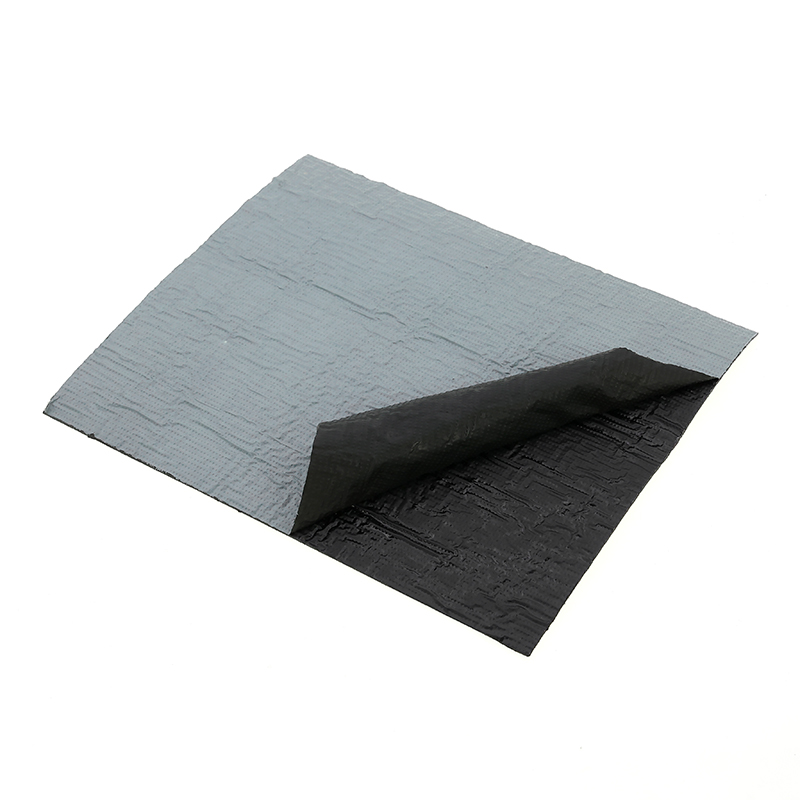
On any commercial civil engineering project, specifying a polyethylene waterproofing membrane can mean several different products depending on the exact construction requirements. A designer might require a thin flexible composite sheet behind interior wet room wall finishes, a self-adhered basement foundation barrier, or a thick heavy-duty lining sheet for municipal waste containment. Treating all of these distinct material types as one generic category frequently leads to improper material sourcing and critical field failures. From a civil contractor's perspective, the primary objective is to select the exact material grade that perfectly matches the unique demands of the building envelope.
A polyethylene waterproofing membrane provides exceptional chemical resistance and mechanical durability, but it must be selected as part of an integrated, fully compatible protection system. Purchasing a high density polyethylene waterproofing membrane roll ensures that you receive a durable, high-performance barrier with high puncture resistance. However, a high density polyethylene waterproofing membrane roll requires experienced installers who understand correct hot-wedge seaming and joint details. To achieve complete water tightness, contractors must select a high density polyethylene waterproofing membrane that matches the soil chemistry, structural design, and water pressure on site.
Understanding the Polyethylene Waterproofing Membrane Families
Building specifications often group different polymeric barriers together, but their raw resins, molecular density, and reinforcement layers lead to completely different behavior under load. The heavy-duty high density polyethylene waterproofing membrane excels in containment designs where chemical inertness and structural puncture resistance are paramount. This stiff polymer sheet is typically welded on site with specialized wedge welders to create large-scale lining barriers. Alternatively, modified bitumen options provide greater pliability under cold weather movement but require distinct torching techniques. Understanding these differences ensures you do not specify a stiff containment lining where a flexible elastomeric sheet is actually needed.
Choosing a high density polyethylene waterproofing membrane for basement applications is common because it provides an outstanding barrier against rising groundwater and soil chemicals. However, a high density polyethylene waterproofing membrane for basement walls requires a properly prepared concrete substrate to prevent rock punctures during soil backfilling. For vertical blindside waterproofing, many engineering projects specify a flexible composite polyethylene waterproofing membrane that bonds mechanically to poured concrete. This ensures that the polyethylene waterproofing membrane stays in place and prevents any water migration between the membrane and the foundation wall over years of service.
Verifying Standards with a High Density Polyethylene Waterproofing Membrane Roll
When reviewing submittals, contractors must look beyond nominal sheet thickness. A standard polyethylene waterproofing membrane specification sheet usually details physical performance criteria tested under rigorous ASTM parameters. For instance, the widely recognized GRI-GM13 standard specifies the physical requirements for a high density polyethylene waterproofing membrane roll used in geotechnical applications. It is crucial to verify that your supplied high density polyethylene waterproofing membrane roll meets these density, tensile, and tear benchmarks before mobilization. Selecting a certified high density polyethylene waterproofing membrane guarantees long-term durability and resistance against environmental stress cracking.
Thicker materials are not always the safest choice for every architectural detail. While a thick high density polyethylene waterproofing membrane provides superior puncture protection, it is also much stiffer and harder to form around pipe boots and inside corners. When installing a high density polyethylene waterproofing membrane for basement slabs, contractors must include a geotextile cushion layer to protect the sheet from sharp gravel. For complex layouts, a flexible composite polyethylene waterproofing membrane with preformed corner accessories is often more practical. Matching the polyethylene waterproofing membrane to the specific geometry of the project zone prevents common installation errors.
Hot-Weld Quality Control and Site Execution
Achieving a continuous barrier depends entirely on the quality of field seams and joint terminations. When welding a high density polyethylene waterproofing membrane roll on site, crews must use dual-track hot-wedge welding machines for long flat runs. This method creates a testable air channel between the dual welds, allowing technicians to conduct pressurized air tests to verify seam integrity. For vertical details and pipe penetrations, hand extrusion welding with compatible TPO or polyethylene welding rods is required. Installers must clean and pre-grind the weld areas to remove oxidized surface layers before welding any polyethylene waterproofing membrane joints.
Field quality control must be an ongoing process during installation. Technicians should probe all hand welds to locate any cold welds or voids. Any discovered defect in the polyethylene waterproofing membrane must be repaired using a rounded patch that extends at least fifty millimeters past the damaged area. Protecting the finished polyethylene waterproofing membrane from subsequent trades is also vital, as heavy machinery and falling reinforcement steel can easily puncture exposed sheets. Maintaining a documented quality log with seam pressure test results is essential for securing manufacturer warranties.
Frequently Asked Questions
Can you use a high density polyethylene waterproofing membrane for basement walls without primers?
No, installing a high density polyethylene waterproofing membrane for basement walls generally requires a compatible asphaltic or polymeric primer when using self-adhesive variants. For non-adhesive HDPE sheets, mechanical fasteners and termination bars must be sealed with compatible butyl tapes. Priming stabilizes the concrete surface, seals concrete dust, and ensures a permanent watertight bond that prevents lateral water migration behind the polyethylene waterproofing membrane.
What are the main testing standards for a high density polyethylene waterproofing membrane roll?
A high density polyethylene waterproofing membrane roll is typically evaluated under ASTM standards, including ASTM D5199 for nominal thickness and ASTM D6693 for tensile properties. For environmental applications, a high density polyethylene waterproofing membrane must comply with the GRI-GM13 specification. This standard covers strict chemical resistance, carbon black content, and oxidative induction time to guarantee decades of service.
How do you repair a puncture on a polyethylene waterproofing membrane?
To repair a puncture on a polyethylene waterproofing membrane, the damaged area must first be thoroughly cleaned and dried. Cut a patch from the same polyethylene waterproofing membrane roll, ensuring all corners are rounded to prevent peeling. For HDPE liners, hot-air extrusion welding is used to fuse the patch over the puncture. For composite sheets, use a compatible double-sided butyl adhesive tape to seal the patch securely.










