 EN
APP Waterproof Membrane: High-Temperature Stability Guide
2026/11/20
How an APP waterproof membrane handles heat: 130°C softening point, torch application windows, overheating signs, summer storage, and thermal aging checks.

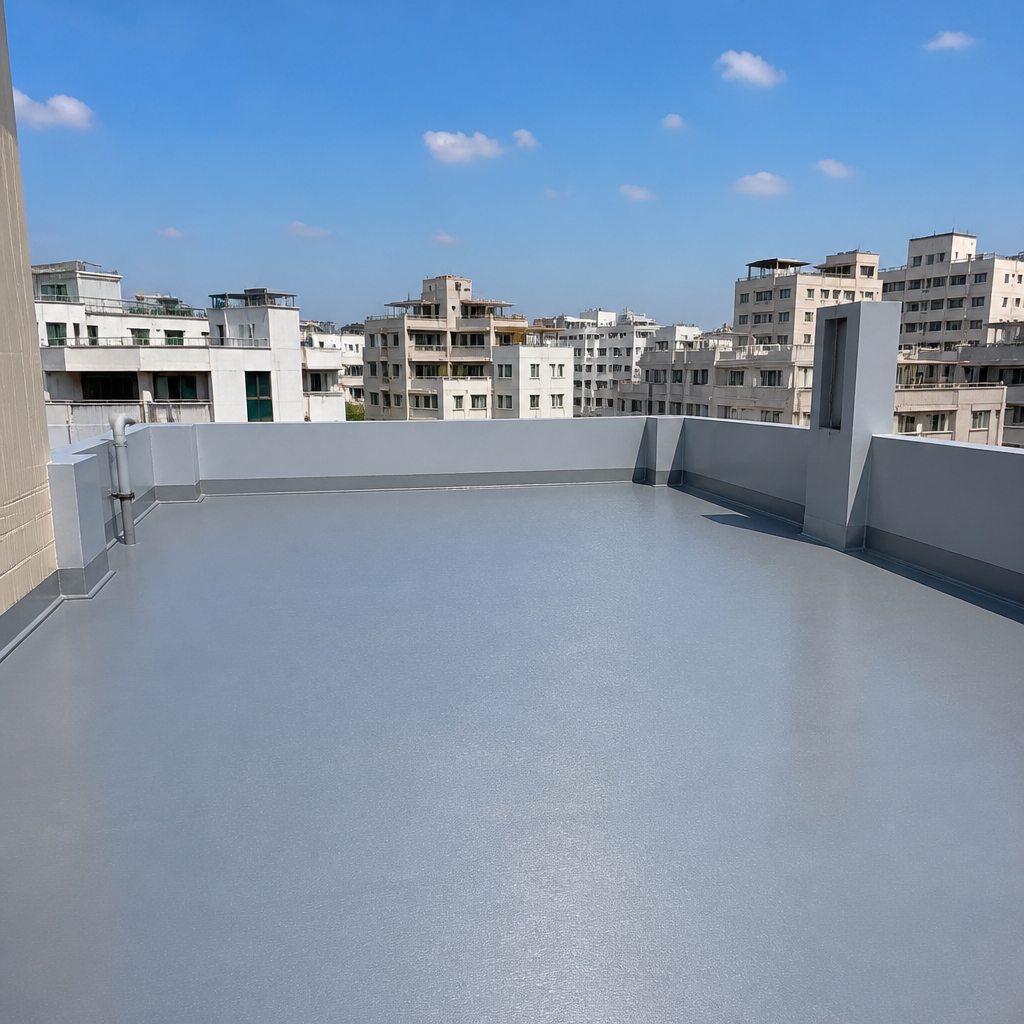
Modern architectural envelopes demand advanced physical barrier solutions to isolate flat commercial roofs and low-slope decks from constant climate exposure. Specifying Polymer Building Materials for Roof Waterproof Protection allows structural engineers and building consultants to eliminate chronic vulnerabilities associated with plasticizer migration, oxidation embrittlement, and thermal joint fatigue. Traditional asphaltic felts often experience micro-cracking under intense solar radiation, leading to moisture entrapment and structural deck damage. In contrast, engineered polymer building materials incorporate synthetic elastomeric matrices that maintain long-term dimensional stability and surface flexibility across severe thermal cycling. Working directly with a certified Waterproof Membrane Supplier enables procurement managers to source specialized synthetic barriers that satisfy stringent structural fire codes and international waterproofing benchmarks.
Achieving complete long-term durability with Polymer Building Materials for Roof Waterproof Protection requires selecting specific synthetic formulations tailored to unique project environmental stresses. A high-performance TPO roofing membrane blends polypropylene with ethylene-propylene rubber, creating an environmentally friendly polymer waterproof membrane that exhibits high solar reflectivity and resistance to ozone degradation. Conversely, a reinforced PVC waterproof membrane utilizes flexible vinyl polymers integrated with internal polyester scrims to deliver exceptional tensile strength, chemical flame retardancy, and oil resistance in demanding industrial environments. Both single-ply options represent advanced roof waterproofing materials that substitute open-flame torch application with automated hot-air seam welding. Fusing overlapping membrane seams creates a continuous monolithic joint stronger than the sheet itself, preventing sub-surface water migration.
Deploying Polymer Building Materials for Roof Waterproof Protection across commercial infrastructure contracts demands strict compliance with factory auditing standards and physical laboratory verification. Shandong Dingtai Waterproof Technology Co., Ltd. processes premium polymer resins on automated extrusion lines under certified ISO 9001 quality management and ISO 14001 environmental safety frameworks. Our factory-direct polymer waterproof membrane sheets are engineered to meet global technical standards, including ASTM D412 for tensile breaking strength and ultimate elongation, ASTM D1970 for cold-temperature flexibility, and ISO 19935 for resistance to elevated hydrostatic water pressure. Every export production lot undergoes automated laser thickness monitoring, seam tear resistance audits, and 24-hour hydrostatic impermeability testing prior to custom packaging and palletizing. Specifying certified roof waterproofing materials guarantees batch-to-batch physical uniformity.
Integrating Polymer Building Materials for Roof Waterproof Protection into field workflows significantly improves labor productivity and jobsite safety protocols. Lightweight TPO roofing membrane and PVC waterproof membrane rolls reduce structural dead load while streamlining handling across expansive roof decks. Because these single-ply polymer building materials rely on hot-air fusion equipment rather than propane torches or volatile adhesives, they eliminate fire ignition hazards in urban building sites and chemical facilities. Furthermore, mechanical fastening and fully adhered installation options allow contractors to secure membranes directly over rigid insulation boards without heavy concrete protective covers. Collaborating directly with an experienced Waterproof Membrane Supplier allows general contractors to order tailored roll widths and custom length specifications, minimizing on-site lap waste, lowering installation overhead, and ensuring compliance with local safety standards.
Securing a transparent supply chain for Polymer Building Materials for Roof Waterproof Protection requires evaluating export packaging standards, manufacturing capacity, and international logistics support. Sourcing directly from an established Chinese manufacturer like Shandong Dingtai Waterproof Technology Co., Ltd. provides overseas distributors and construction firms with competitive factory pricing, immediate access to official technical data sheets, and flexible OEM private-label packaging options. To prevent roll telescoping, edge deformation, or ambient humidity damage during long-distance ocean freight transit, every production roll of polymer waterproof membrane is wrapped in protective UV-resistant plastic film, fitted with heavy-duty end shields, and securely packed on reinforced wooden export pallets. To inspect physical specifications across our comprehensive product lineup—including TPO roofing membrane, PVC waterproof membrane, self-healing composite barriers, and damp proof courses (DPC)—visit our main
A TPO roofing membrane offers higher solar reflectivity and chemical stability without plasticizers, making it eco-friendly, whereas a PVC waterproof membrane provides superior resistance to oils, chemicals, and fire, making it ideal for industrial roofs.
Polymer building materials provide higher tensile strength, superior elongation capacity, heat-welded seamless joints, lighter structural weight, and higher resistance to UV degradation compared to oxidized bitumen felts.
Procurement managers should verify that the manufacturer operates under certified ISO 9001 and ISO 14001 management systems, and that products comply with recognized physical testing standards such as ASTM D412, ASTM D1970, or ISO 19935.

2026/11/20
How an APP waterproof membrane handles heat: 130°C softening point, torch application windows, overheating signs, summer storage, and thermal aging checks.

2026/11/20
The science of a breathable waterproof membrane: water vapor diffusion, Sd values, three grammage grades, water column resistance, and wrong-use cases.

2026/11/20
Single-ply or two-ply, every flat roof is a stack. See how a self adhesive waterproof membrane for roof systems handles base, cap, insulation and drains.

2026/11/20
How the polyester scrim sets tensile strength and dimensional stability of reinforced TPO membrane rolls, with welding, roll sizes and selection tips.

2026/11/20
How an aluminum foil coated bitumen waterproof membrane reflects solar radiation, lowers surface temperature, and what maintenance keeps savings alive.

2026/11/20
SBS modified bitumen waterproof membrane property groups: tensile strength, low-temperature flexibility, heat resistance, surface finishes, applications.
Links to the corresponding full news page.

The eight questions overseas buyers ask most — factory ownership, capacity, batch consistency and lead times, answered straight.

SBS membranes, polymer sheets, coatings and geomembranes — six product lines are operating simultaneously.

Pre-sales specification, on-site technical support and post-delivery maintenance across 100+ export markets.

Waterproofing performance is decided in the specification and the detailing, not just the material. Our technical team helps you select the right system, resolve site questions as they arise, and stay reachable long after the container lands.
