 EN
APP Waterproof Membrane: High-Temperature Stability Guide
2026/11/20
How an APP waterproof membrane handles heat: 130°C softening point, torch application windows, overheating signs, summer storage, and thermal aging checks.

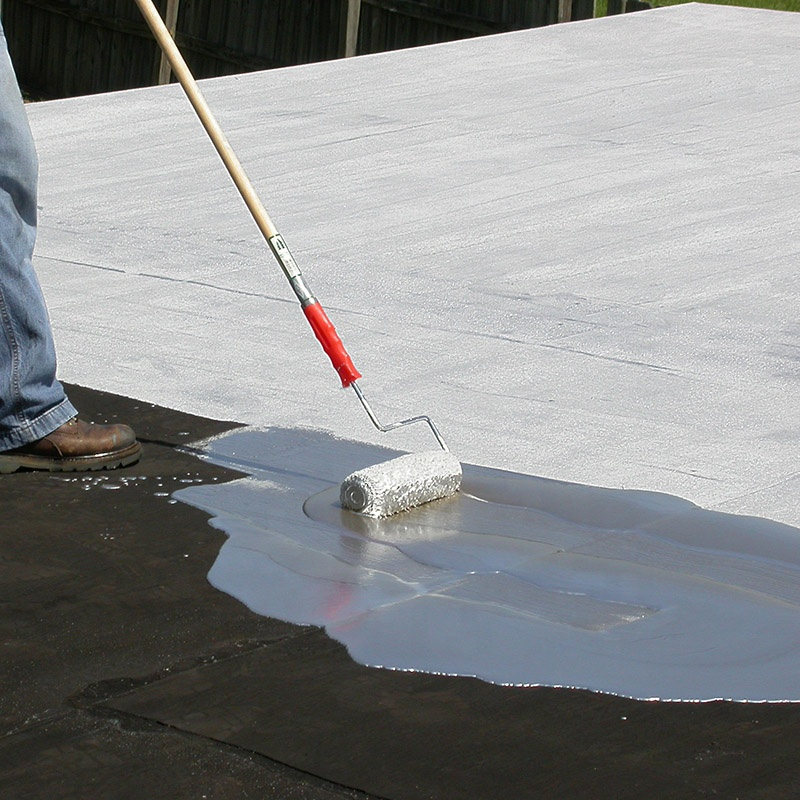
Buildings are never completely static; concrete roof slabs, cantilevered balconies, podium decks, and underground foundation walls constantly expand, contract, and settle under shifting thermal loads and soil pressure. In our extensive field experience diagnosing recurring water leaks across commercial and residential structures, rigid waterproofing layers frequently crack right along underlying substrate joints within just a few seasonal cycles. Applying a high-elasticity Polyurethane Waterproofing Coating solves this structural challenge by forming a continuous, rubber-like barrier that stretches and recovers synchronously with the building substrate. Because a liquid-applied Polyurethane Waterproofing Coating cures into a monolithic membrane without mechanical overlaps or torch-welded seams, water has no weak joints to penetrate. Whether a structure faces intense daytime solar heating followed by rapid nighttime cooling or minor foundation settlement, this flexible protective layer absorbs mechanical stress and keeps interior spaces dry.
Understanding why a Polyurethane Waterproofing Coating outperforms conventional rigid sealers begins with its unique thermoset elastomer chemistry. When applied to a prepared substrate, the polyurethane prepolymer undergoes a cross-linking chemical reaction—either with ambient atmospheric moisture in single-component systems or with a dedicated curing agent in two-component formulations—to build a dense network of urethane linkages. This molecular architecture gives the cured Polyurethane Waterproofing Coating exceptional tensile strength, tear resistance, and elastic memory. According to authoritative building envelope engineering principles, a reliable liquid membrane must maintain its flexibility across both summer heatwaves and winter freezes without turning brittle or softening into a sticky film. By balancing polymer chain flexibility with strong cohesive strength, our factory-engineered Polyurethane Waterproofing Coating bridges existing hairline shrinkage cracks and accommodates future dynamic movement across concrete, mortar, metal, and tiled substrates.
Different zones of a building face distinct moisture pressures, which is why selecting the proper grade of Polyurethane Waterproofing Coating is essential for long-term project success. On exposed flat roofs, terraces, and concrete gutters that endure direct sunlight and occasional ponding water, weather-resistant polyurethane formulations provide durable ultraviolet stability and seamless coverage around complex rooftop penetrations such as skylights, vents, and HVAC pipes. In concealed below-grade applications—including basement retaining walls, foundation slabs, tunnels, and planter boxes—a Polyurethane Waterproofing Coating resists constant soil moisture, hydrostatic pressure, and chemical corrosion from groundwater. Furthermore, for interior wet rooms, bathrooms, kitchens, and tiled balconies, low-odor and eco-friendly polyurethane liquid membranes contour effortlessly around floor drains, pipe collars, and wall-to-floor corners, eliminating the hidden perimeter leaks that commonly plague sheet membrane installations.
Even the most flexible Polyurethane Waterproofing Coating relies on thorough substrate preparation and disciplined detailing to achieve its designed service life. Trustworthy waterproofing contractors never apply liquid membranes directly over dusty, oily, or water-saturated concrete, as trapped vapor and surface contaminants will cause blistering or local delamination. Before coating installation begins, the substrate must be swept clean, mechanically ground if necessary, and repaired with polymer mortar to fill honeycombs or deep voids. Vulnerable stress points—such as internal corners, expansion joints, and pipe penetrations—should be pre-treated with a strip of nonwoven polyester reinforcing fabric embedded into a initial stripe coat of Polyurethane Waterproofing Coating. Once the detail zones are reinforced, applicators apply the main waterproofing layers in two to three perpendicular passes by brush, roller, or squeegee, allowing each coat to cure properly so the finished membrane achieves uniform thickness and pinhole-free integrity.
Sourcing your Polyurethane Waterproofing Coating directly from an experienced manufacturing facility ensures consistent batch performance, flexible customization, and transparent technical support. In international construction supply chains, climate conditions and contractor application habits vary widely from region to region. Our factory works closely with building material distributors, engineering contractors, and private-label brand owners to tailor viscosity grades for horizontal self-leveling or vertical non-sagging wall applications, as well as custom colors and drum packaging sizes. Every production batch of Polyurethane Waterproofing Coating undergoes strict laboratory verification for curing time, elongation behavior, and solid content before leaving the plant. By providing pre-shipment physical samples, clear substrate application guides, and reinforced pallet packaging for ocean container transport, we help global buyers deliver dependable, flexible waterproofing protection on every construction site.
A single-component Polyurethane Waterproofing Coating cures by reacting with moisture in the air and is ready to use straight from the pail, making it convenient for rapid on-site application. A two-component system requires mixing a base resin with a curing hardener on site, offering rapid, uniform curing even in thick layers or enclosed spaces with low humidity.
Yes, once the final layer of Polyurethane Waterproofing Coating has fully cured, contractors can broadcast clean quartz sand into a thin tack coat on the surface. This sanded texture creates a strong mechanical key that allows cementitious tile adhesives and mortar screeds to bond securely without slipping.
Bubbles typically occur when moisture vapor or trapped air escapes from porous concrete during daytime heating. To prevent blistering, ensure the concrete substrate is thoroughly dry, apply a compatible penetrating primer to seal surface pores first, and apply the Polyurethane Waterproofing Coating in thin, even coats rather than one overly thick layer.

2026/11/20
How an APP waterproof membrane handles heat: 130°C softening point, torch application windows, overheating signs, summer storage, and thermal aging checks.

2026/11/20
The science of a breathable waterproof membrane: water vapor diffusion, Sd values, three grammage grades, water column resistance, and wrong-use cases.

2026/11/20
Single-ply or two-ply, every flat roof is a stack. See how a self adhesive waterproof membrane for roof systems handles base, cap, insulation and drains.

2026/11/20
How the polyester scrim sets tensile strength and dimensional stability of reinforced TPO membrane rolls, with welding, roll sizes and selection tips.

2026/11/20
How an aluminum foil coated bitumen waterproof membrane reflects solar radiation, lowers surface temperature, and what maintenance keeps savings alive.

2026/11/20
SBS modified bitumen waterproof membrane property groups: tensile strength, low-temperature flexibility, heat resistance, surface finishes, applications.
Links to the corresponding full news page.

The eight questions overseas buyers ask most — factory ownership, capacity, batch consistency and lead times, answered straight.

SBS membranes, polymer sheets, coatings and geomembranes — six product lines are operating simultaneously.

Pre-sales specification, on-site technical support and post-delivery maintenance across 100+ export markets.

Waterproofing performance is decided in the specification and the detailing, not just the material. Our technical team helps you select the right system, resolve site questions as they arise, and stay reachable long after the container lands.
