 EN
APP Waterproof Membrane: High-Temperature Stability Guide
2026/11/20
How an APP waterproof membrane handles heat: 130°C softening point, torch application windows, overheating signs, summer storage, and thermal aging checks.

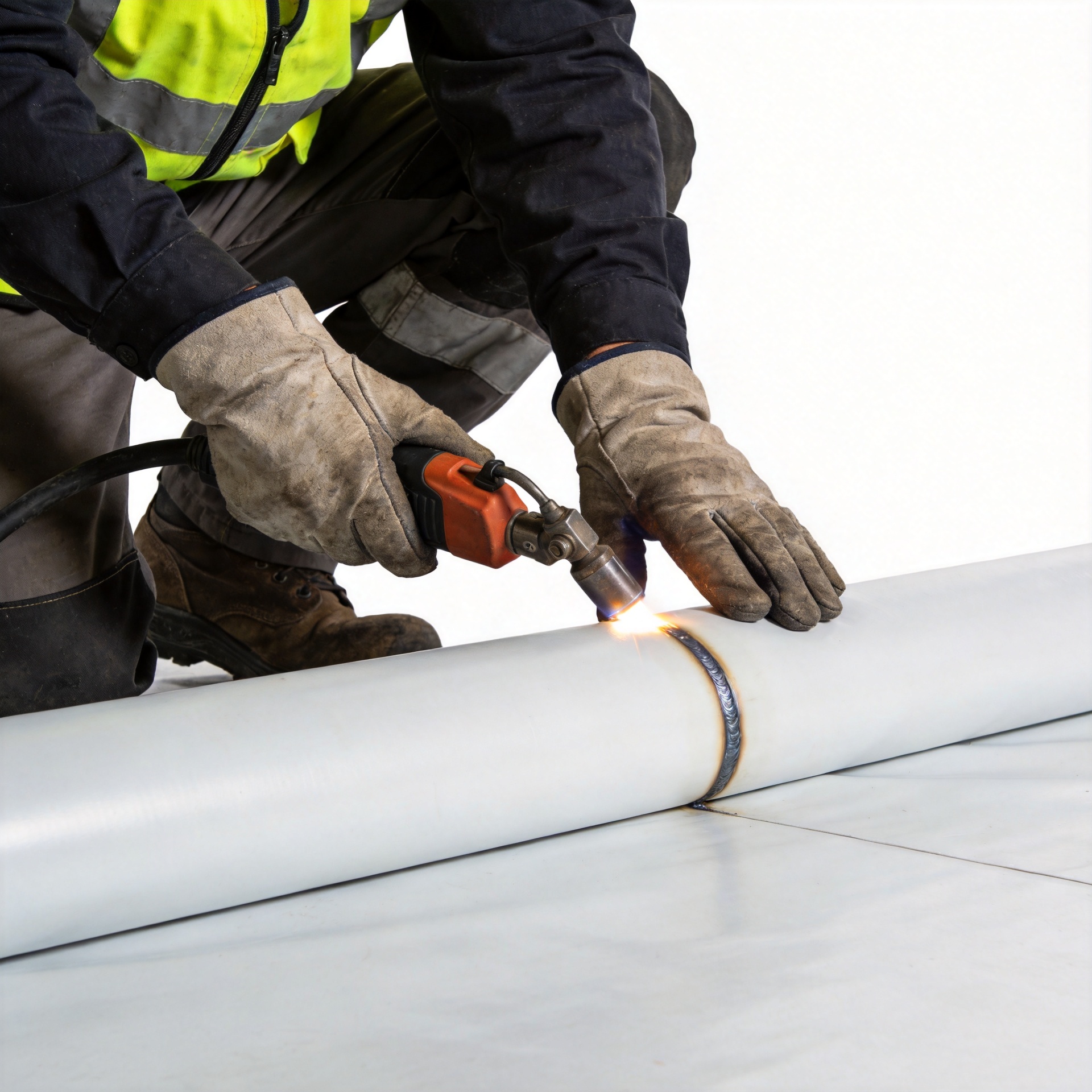
For commercial contractors, architects, and B2B procurement teams evaluating industrial roofing or deck envelopes, selecting a PVC waterproofing membrane is far more than a simple commodity purchase. It represents an integrated engineering decision encompassing polymer formulation, mechanical or adhered attachment systems, flashing accessories, drainage design, and the critical execution of heat-welded seams. Before issuing a purchase order, buyers must verify environmental exposure limits, evaluate competing single-ply assemblies, and establish strict field quality control protocols.
A PVC waterproofing membrane (polyvinyl chloride) is a flexible thermoplastic sheet engineered to form a continuous, watertight barrier through hot-air fusion. Unlike traditional systems that depend heavily on chemical adhesives or seam tapes, thermoplastic sheets melt and fuse together at the molecular level when heated. This capability makes a PVC roof membrane exceptionally reliable for complex commercial roofs, industrial processing facilities, and structures exposed to animal fats, greases, or chemical exhaust. However, material selection alone does not guarantee leak-free performance; long-term durability relies heavily on proper substrate engineering and certified field welding.
The primary reason structural engineers and facility managers specify a PVC waterproofing membrane is seam integrity. Using automated or hand-held hot-air welders, trained installation crews fuse sheet overlaps, corners, and prefabricated pipe boots into a monolithic waterproof skin. This thermal bonding eliminates the primary failure point of conventional flat roofs—degraded adhesive laps—while giving inspectors measurable verification points across parapets, drains, and roof penetrations.
Furthermore, a top-tier PVC waterproofing membrane offers exceptional resistance to fire, chemical pollutants, and solar radiation. Its naturally flame-retardant chemistry allows it to slow flame spread and easily meet stringent commercial building codes. Additionally, light-colored cool-roof formulations reflect a significant portion of solar heat, reducing building cooling loads and resisting thermal aging. For mechanical stability, the sheets are heavily reinforced with polyester scrim or fiberglass mat, preventing tearing, puncturing, and excessive thermal movement.
When evaluating commercial bids, comparing roll price in isolation often leads to costly lifecycle failures. Procurement specialists must analyze how a PVC waterproofing membrane compares to competing single-ply technologies like TPO and EPDM. EPDM is a synthetic rubber that relies on adhesives and seam tapes, which are vulnerable to workmanship errors and chemical degradation over time. TPO is a thermoplastic olefin that can be welded, but it generally features a narrower welding temperature window and less chemical flexibility than PVC.
In contrast, a PVC waterproofing membrane provides superior tolerance to animal fats, kitchen grease, hydrocarbon exhaust, and acid rain, making it the premier choice for restaurant and industrial roofs. It also remains highly pliable straight out of the roll, allowing installers to detail complex transitions and tight penetrations with greater ease than stiffer TPO sheets. While PVC may carry a slightly higher upfront material cost, its reliable molecular seam bonding and lower maintenance overhead translate to a highly favorable total cost of ownership over a 25-plus year service life.
On expansive flat and low-slope roofs, a PVC waterproofing membrane delivers an auditable, high-reflectivity weather barrier. Engineers must coordinate deck substrate readiness, vapor retarder placement, insulation layout, and wind-uplift fastening patterns prior to sheet installation. Although welded PVC handles incidental standing water better than taped systems, proper drainage design remains essential to prevent excessive loading.
For protected assemblies like plaza decks, green roofs, and utility tunnels, a PVC waterproofing membrane provides reliable below-grade protection. In vegetated green roofs, the membrane must act as a root barrier, typically meeting strict ASTM D4434 standards and certified root-resistance tests. Because these systems are buried under heavy growing media or paving slabs, engineers must perform electronic leak detection or a 48-hour flood test to verify seam integrity before any overburden is applied.
Even the highest-grade PVC waterproofing membrane will fail if field welding parameters are neglected. Thermal fusion relies on the precise interaction of temperature, welder speed, and roller pressure. Site supervisors must clean and dry the overlap zone thoroughly before welding, as any moisture or dust will compromise the molecular bond. Before production begins each morning, technicians must perform destructive peel tests on trial weld scraps to calibrate their equipment to the daily ambient weather conditions.
Once the automatic or hand-welding process is complete, quality control requires a systematic evaluation of every linear meter of seam. Inspectors must run a blunt cotter-pin puller or seam probe firmly along all welded overlaps to detect cold welds, voids, or fishmouths. Any defect identified during probing must be immediately marked and repaired using a compatible PVC waterproofing membrane patch with rounded corners, heat-welded directly over the damaged area to preserve the system's monolithic integrity.
Facility maintenance teams occasionally make the costly mistake of attempting emergency repairs using generic hardware-store adhesives, butyl strips, or heavy-duty consumer tapes. Applying these non-compatible repair tapes directly onto a PVC waterproofing membrane compromises the entire assembly. The aggressive solvents and bitumens in consumer adhesives chemically react with PVC plasticizers, causing the membrane to brittle, crack, and shrink prematurely.
Furthermore, temporary surface tapes only mask water intrusion, trapping damaging moisture inside the insulation layer while making permanent thermal repairs impossible without cutting out the contaminated material. To execute a proper repair on a PVC roof membrane, technicians must thoroughly clean the weathered area, wipe it with an approved PVC prep solvent, and hot-air weld a compatible PVC waterproofing membrane patch extending at least 75 millimeters beyond the defect.
Before finalizing supplier contracts or approving contractor submittals, commercial buyers should verify the complete material and installation package. This includes securing manufacturer data sheets confirming ASTM D4434 Type III or Type IV compliance, verifying that all flashings and accessories originate from a single approved system provider, and checking the active training credentials of the welding crew. Finally, ensure the closeout file contains the daily welding logs, seam-probe checklists, and a clear No-Dollar-Limit (NDL) system warranty.

2026/11/20
How an APP waterproof membrane handles heat: 130°C softening point, torch application windows, overheating signs, summer storage, and thermal aging checks.

2026/11/20
The science of a breathable waterproof membrane: water vapor diffusion, Sd values, three grammage grades, water column resistance, and wrong-use cases.

2026/11/20
Single-ply or two-ply, every flat roof is a stack. See how a self adhesive waterproof membrane for roof systems handles base, cap, insulation and drains.

2026/11/20
How the polyester scrim sets tensile strength and dimensional stability of reinforced TPO membrane rolls, with welding, roll sizes and selection tips.

2026/11/20
How an aluminum foil coated bitumen waterproof membrane reflects solar radiation, lowers surface temperature, and what maintenance keeps savings alive.

2026/11/20
SBS modified bitumen waterproof membrane property groups: tensile strength, low-temperature flexibility, heat resistance, surface finishes, applications.
Links to the corresponding full news page.

The eight questions overseas buyers ask most — factory ownership, capacity, batch consistency and lead times, answered straight.

SBS membranes, polymer sheets, coatings and geomembranes — six product lines are operating simultaneously.

Pre-sales specification, on-site technical support and post-delivery maintenance across 100+ export markets.

Waterproofing performance is decided in the specification and the detailing, not just the material. Our technical team helps you select the right system, resolve site questions as they arise, and stay reachable long after the container lands.
