 EN
APP Waterproof Membrane: High-Temperature Stability Guide
2026/11/20
How an APP waterproof membrane handles heat: 130°C softening point, torch application windows, overheating signs, summer storage, and thermal aging checks.

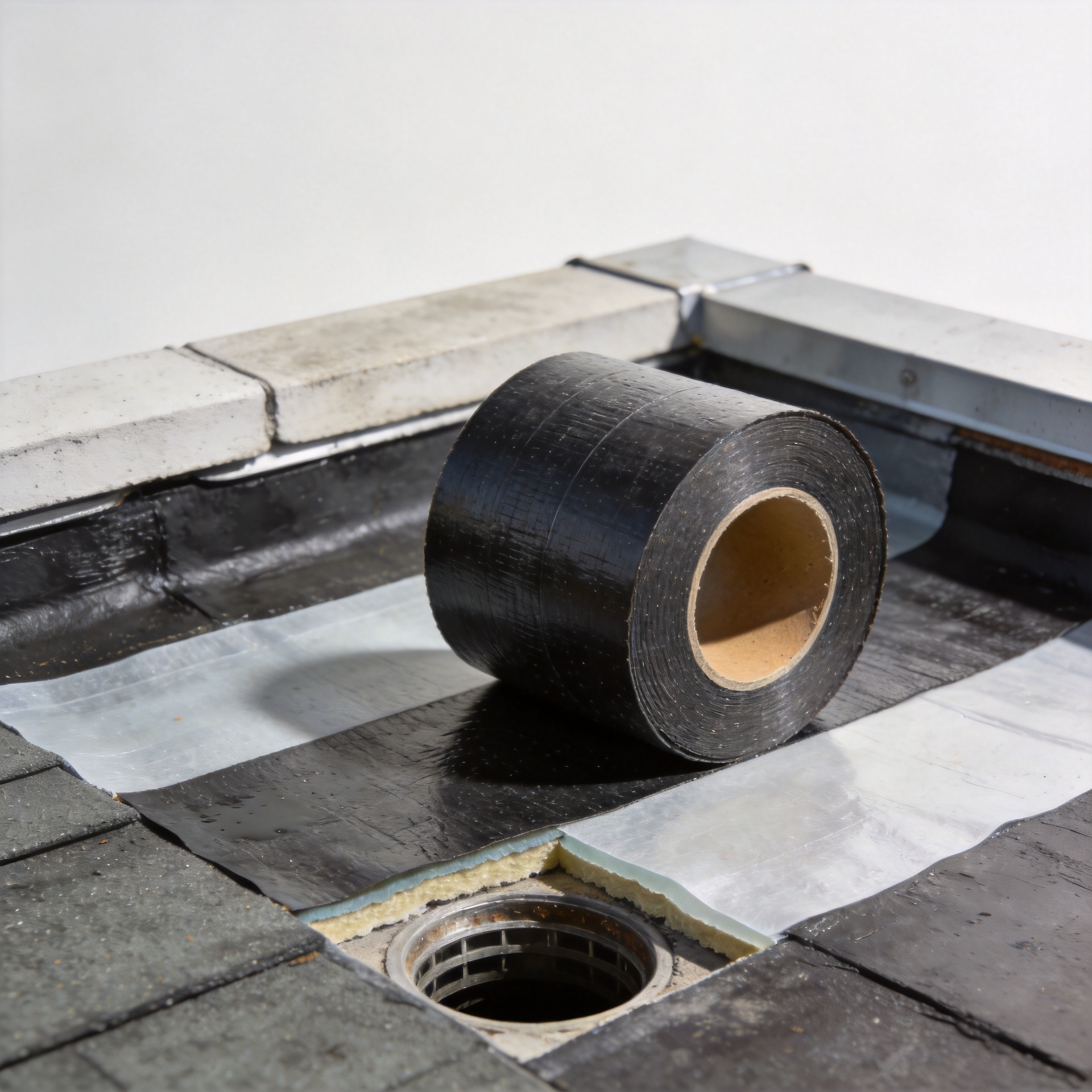
Roof leakages rarely start on flat, open structural spans. Instead, water infiltration occurs most frequently at critical transition points such as chimneys, parapet wall joints, roof valleys, skylights, and pipe penetrations. These complex roof details experience constant thermal movement, structural settling, and stress concentrations that can break standard liquid coatings or rigid metal flashings over time. When seasonal temperature swings cause building elements to expand and contract at different rates, micro-fractures develop across vulnerable surface seams. Moisture ingress through these minor openings quickly degrades underlying insulation panels, compromises structural timber joists, and causes costly internal water damage long before surface wet spots become visible to building occupants. Traditional rigid flashing solutions often fail under continuous vibration because they lack the permanent elasticity needed to absorb structural displacement. Effective moisture defense demands an engineered sealing membrane designed specifically for localized movement and immediate surface adhesion. Deploying specialized waterproofing membranes like Rubberized Bitumen Flashing Tape effectively mitigates these persistent structural vulnerabilities by establishing a continuous, resilient barrier around irregular perimeter profiles.
Rubberized Bitumen Flashing Tape is manufactured from high-grade SBS-modified bitumen compound seamlessly integrated with a durable PE film surface layer. The advanced SBS polymer modification imparts exceptional elastomeric flexibility down to -20°C, ensuring that the applied seal remains pliable during severe winter conditions without cracking under structural stress or cyclic thermal movement. Engineered to achieve a robust hydrostatic resistance rating of 0.3 MPa, this high-performance membrane delivers complete watertight protection against driving rain, heavy wind loads, and prolonged standing water accumulation. The cold self-adhesive composition completely eliminates the operational need for torch flames, hot asphalt kettles, or hazardous solvent-based adhesives during site application, significantly boosting jobsite safety and reducing installation complexity. Available in customizable widths ranging from 50mm to 300mm, Rubberized Bitumen Flashing Tape adapts precisely to standard construction dimensions, providing localized protection tailored to complex roof geometries. The protective PE top film adds superior tensile strength and UV stability, defending the inner elastomeric core against physical wear and weather exposure.
Installing mechanical fasteners, roof brackets, or mounting hardware through perimeter flashing materials typically creates potential leak pathways over the life of a building. Rubberized Bitumen Flashing Tape addresses this critical weakness through its dynamic self-sealing elastomeric properties. As mechanical screws, roofing nails, or anchor bolts puncture the SBS-modified compound, the high-viscosity bitumen flows tightly around the fastener shank under ambient compression forces. This continuous elastic response maintains unbroken waterproof integrity even when dynamic wind pressures and structural movement exert forces upon the roof assembly. Field testing and engineering performance evaluations confirm that CE-certified self-adhesive sealing strips resist interface shear forces without debonding from concrete masonry, structural steel, brickwork, or treated timber substrates. By automatically sealing around intrusive fasteners, Rubberized Bitumen Flashing Tape drastically reduces installation errors, eliminates secondary sealing steps, and minimizes long-term maintenance cycles across commercial, industrial, and residential roofing assets.
Achieving optimal adhesion with Rubberized Bitumen Flashing Tape requires systematic surface preparation and correct application protocols on site. Roofing substrates must be thoroughly cleaned of loose dust, concrete laitance, rust, oil residue, and standing moisture before applying the material. The cold-application technology allows roofing contractors to peel back the protective silicone release film and press the self-adhesive membrane directly onto the target joint line without specialized heating tools or open flames. When wrapping intricate 3D geometries, such as pipe collars, vent stacks, or 90-degree parapet wall corners, smooth out the flexible PE surface using a soft rubber hand roller to purge trapped air bubbles and ensure full contact. Installers must ensure that overlap seams maintain a minimum width of 50mm across all material joints to guarantee continuous watertight integrity throughout the roof assembly. Applying firm, uniform hand pressure during placement activates immediate initial tack, instantly securing critical roof details against unexpected weather events.
Selecting Rubberized Bitumen Flashing Tape delivers substantial financial advantages over traditional torch-applied membranes by lowering overall project labor costs and preventing premature structural repairs. Flame-free installation eliminates the requirement for hot work permits, fire watch personnel, and cumbersome gas cylinder transport, allowing installation crews to achieve much faster daily completion rates. The tough PE surface film shields the internal rubberized compound from ultraviolet degradation and environmental abrasion, extending the overall service life of the roofing system across diverse climate zones. Preventative detail sealing prevents localized moisture intrusion, preserving the thermal resistance values of roof insulation and maintaining long-term building energy efficiency. Integrating CE-marked Rubberized Bitumen Flashing Tape into primary detail waterproofing schedules minimizes client warranty claims, lowers ongoing building maintenance overhead, and ensures dependable long-term protection for complex architectural structures.
Yes, Rubberized Bitumen Flashing Tape maintains elastomeric flexibility down to -20°C. For optimal initial adhesion on cold substrates below 5°C, ensuring the target surface is thoroughly clean, dry, and free of frost is recommended to facilitate a strong self-adhesive bond.
No open flame or hot work permit is required. Rubberized Bitumen Flashing Tape features a cold self-adhesive formulation backed by a silicone release film; installers simply peel off the backing paper and press the tape firmly onto the prepared substrate surface.
Rubberized Bitumen Flashing Tape can be manufactured in custom roll widths ranging from 50mm to 300mm. This versatility allows contractors to choose the precise width required for sealing narrow window flanges, roof valleys, skylight perimeters, or parapet transitions efficiently.

2026/11/20
How an APP waterproof membrane handles heat: 130°C softening point, torch application windows, overheating signs, summer storage, and thermal aging checks.

2026/11/20
The science of a breathable waterproof membrane: water vapor diffusion, Sd values, three grammage grades, water column resistance, and wrong-use cases.

2026/11/20
Single-ply or two-ply, every flat roof is a stack. See how a self adhesive waterproof membrane for roof systems handles base, cap, insulation and drains.

2026/11/20
How the polyester scrim sets tensile strength and dimensional stability of reinforced TPO membrane rolls, with welding, roll sizes and selection tips.

2026/11/20
How an aluminum foil coated bitumen waterproof membrane reflects solar radiation, lowers surface temperature, and what maintenance keeps savings alive.

2026/11/20
SBS modified bitumen waterproof membrane property groups: tensile strength, low-temperature flexibility, heat resistance, surface finishes, applications.
Links to the corresponding full news page.

The eight questions overseas buyers ask most — factory ownership, capacity, batch consistency and lead times, answered straight.

SBS membranes, polymer sheets, coatings and geomembranes — six product lines are operating simultaneously.

Pre-sales specification, on-site technical support and post-delivery maintenance across 100+ export markets.

Waterproofing performance is decided in the specification and the detailing, not just the material. Our technical team helps you select the right system, resolve site questions as they arise, and stay reachable long after the container lands.
