
 EN
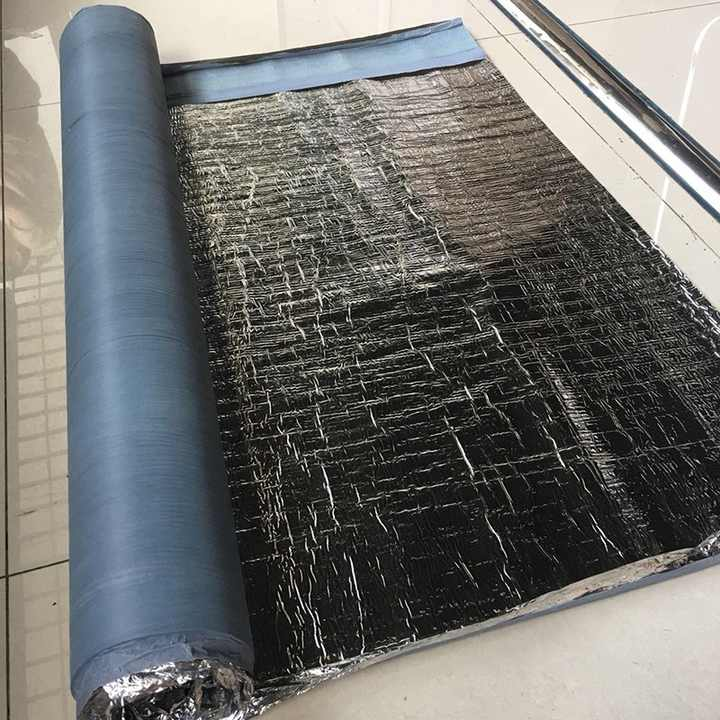
A torch-free roof still fails at the lap. This guide follows the work in the order a crew meets it: deck preparation, adhesive format, roller pressure, seam closure and inspection. Compound performance is covered elsewhere. Procedure is the subject here, and the procedure is unforgiving.
Two Assemblies Behind One Word
Cold covers two builds. One ships with a pressure-sensitive layer and a release liner; the crew peels and presses. The other is a fleece backed tpo membrane laid into adhesive spread on the deck. Both are adhesive-fixed and flame-free, and both need primer, a clean deck, full roller pressure and a cold applied adhesive that stays open long enough to roll. Neither removes heat from the seam, because TPO is thermoplastic, and a self adhesive tpo waterproofing membrane is joined at the lap by hot air. Cold describes the field bond, not every joint on the roof, and tpo membrane installation drawings that assume otherwise leave laps the adhesive cannot close.
Substrate Before Adhesive
Adhesive must wet out the surface completely. Concrete should be cured, sound and free of laitance, dust, oil and curing compound; a power float is abraded or primed first. Moisture decides the outcome, since a slab still giving up water debonds a pressure-sensitive layer from below, and no tpo membrane installation is rescued by rolling harder. Temperature governs the day, for adhesive and seam alike, and a hot air welded seam needs its own window. Published TPO data gives low-temperature flexibility at −40°C and heat resistance at 120°C, which describes the installed sheet rather than the adhesive window, so read the adhesive supplier's limits. Wind stops work: a part-unrolled self adhesive tpo waterproofing membrane becomes a sail, and a fleece backed tpo membrane lifted by a gust lands nowhere useful.
Adhesive Formats
Factory-coated sheet suits clean, flat, well-primed decks and short open times. A cold applied adhesive spread over fleece backing suits rougher substrates, because the fleece carries the load: the published fleece grade uses a 150–200 g/m² polyester non-woven with peel strength of at least 100 N/50mm and bonds to PIR, EPS, mineral wool and primed concrete. Whichever format is specified, a tpo membrane installation is only as good as its primer coat, so a fleece backed tpo membrane is unrolled liner-back and never stretched as it lands, while site-spread cold applied adhesive is gauged with a notched trowel and left to flash before the sheet goes in. A self adhesive tpo waterproofing membrane arrives with its own adhesive history; the site-spread route leaves that variable with the crew, not the factory.
Placement and Roller Work
Set the first run to a chalk line and keep later runs parallel, with cold applied adhesive staged along it. Lay without tension, let the sheet relax, then roll from the centre outward with a weighted roller; air trapped under an adhesive-fixed sheet reads as a soft spot months later, a fleece backed tpo membrane will not bond across it, and a hot air welded seam will not compensate for a bubble in the field. Hold the published 40mm minimum lap and stagger end laps between rows. On a chilled-food distribution centre where hot-work permits had been refused, the crew stopped each day on a completed lap rather than mid-run, and the next morning's tpo membrane installation began on a bond that had already taken load. Roller pressure, not time, develops peel strength in a self adhesive tpo waterproofing membrane, and a cold applied adhesive left to its own schedule will not.
Seams: Where Cold Ends
Adhesive-fixed TPO still closes with heat. A hot air welded seam is made by cleaning the lap, running the welder at a set temperature and speed, then testing it; the published TPO range welds at a 40mm minimum lap, and the fleece-backed type uses the same top-surface compound and welding settings as smooth-back types. Some products offer factory seam tape instead, and a self adhesive tpo waterproofing membrane specified that way follows the tape maker's overlap detail. A hybrid must not happen: contact adhesive on a sheet whose datasheet calls for welding. Record temperature and speed for every run, since the seam is only as good as its logged settings, and a fleece backed tpo membrane is no more forgiving of an unlogged weld.
Verification and Handover
Inspect for bubbles, edge lift and wrinkles, and probe every lap. A hot air welded seam is checked with a probe or air lance at intervals and reopened, cleaned and rerun when open. A cold applied adhesive lap cannot be probed, so it is checked by hand along the edge; patches overlap by the field lap dimension. Keep a seam map with settings, ambient temperature and operator initials. Where adhesive-fixed field areas meet a mechanically fixed perimeter, the tpo membrane installation drawing must show that junction: it is where warranty claims begin.
Frequently Asked Questions
Do I still need a welder on a cold-install roof?
For TPO, usually. The flame leaves the field bond, but the laps remain thermoplastic joins, so a hot air welded seam still has to be run and tested. Check whether the specified self adhesive tpo waterproofing membrane closes by welding or by factory tape, then staff for that task and fix the method on the tpo membrane installation drawing.
Can this work go down in cold weather?
Only inside the supplier's stated range. The sheet stays flexible at −40°C, yet a cold applied adhesive or primer behaves differently in the cold, and a fleece backed tpo membrane welded too cold will not fuse.
How is a failed lap found before handover?
Probe welded laps, hand-check adhesive edges, then flood-test. An open hot air welded seam is rerun; a lifted lap is cut back, cleaned and replaced, and the tpo membrane installation record goes on the seam map rather than a verbal note.










