 EN
APP Waterproof Membrane: High-Temperature Stability Guide
2026/11/20
How an APP waterproof membrane handles heat: 130°C softening point, torch application windows, overheating signs, summer storage, and thermal aging checks.

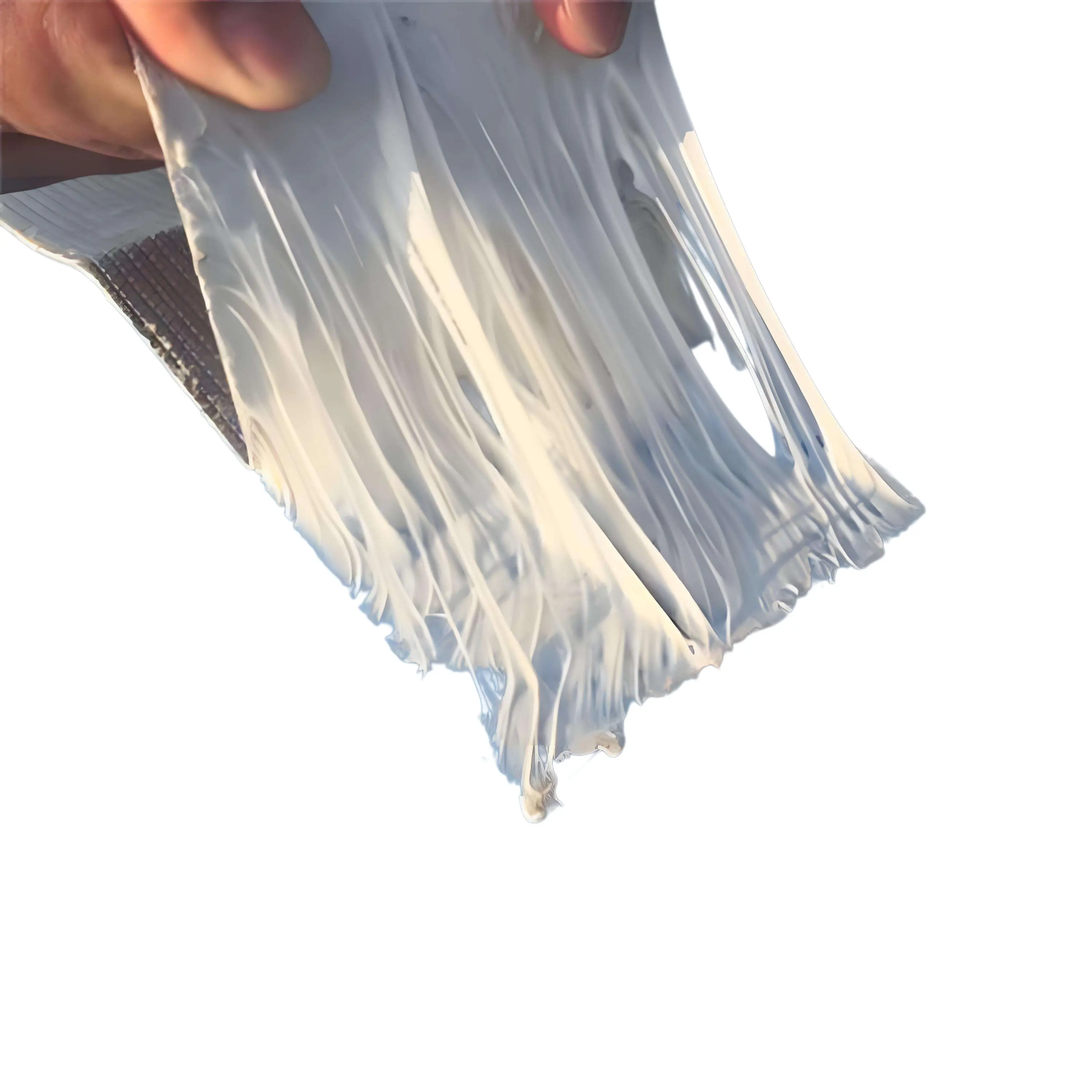
When a roof seam, metal flashing joint, or duct penetration starts to leak, the failure is rarely about the roofing sheet itself — it almost always happens at the joints. That is why contractors and procurement teams pay close attention to the sealing material they specify for these positions. A self-adhesive waterproof flashing membrane roll is one of the most practical answers, but its real performance depends entirely on the specifications behind it. This guide walks through the key specs, what each value means on site, and how to verify them before placing an order.
A self-adhesive waterproof flashing membrane roll is a roll-form sealing material that combines a pressure-sensitive bitumen adhesive layer with a protective factory-applied top surface. In the version manufactured by Shandong Dingtai Waterproof Technology Co., Ltd., the adhesive compound is SBS modified bitumen and the top surface is bright aluminum foil, with a silicone-coated film as the release liner. The membrane is cold-applied: you peel off the release liner, press the material onto the joint, and it forms an immediate watertight bond — no torch, no open flame, and no curing time. The roll format matters too. Because the material is supplied in rolls rather than pre-cut pieces, installers can cut the exact width and length each joint requires, which reduces waste on irregular flashing details.
Specification sheets vary between suppliers, so it helps to know which values actually affect the outcome. For this self-adhesive waterproof flashing membrane roll, the published technical data includes: total thickness of 1.5mm; width range from 100mm to 600mm and roll length from 7.5m to 20m, both customizable; peel adhesion of at least 1.5 N/mm; tensile strength of at least 400 N/50mm; low-temperature flexibility down to -20°C; and watertightness tested as a pass at 0.3 MPa. Each figure answers a practical question. Peel adhesion tells you how strongly the membrane grips the substrate. Tensile strength shows whether it survives stretching during installation and thermal movement afterwards. The -20°C flexibility rating means the material can be handled and will not crack in winter conditions, and the 0.3 MPa watertightness result confirms it holds water pressure, not just sheds rain.
Two design choices explain most of this product's field behavior. First, SBS modification turns ordinary bitumen into an elastomeric compound — it stretches under stress and recovers, which is essential where metal panels expand and contract with daily temperature swings. Second, the aluminum foil surface does more than look clean on exposed joints. It reflects solar radiation, shields the bitumen from UV-driven oxidative breakdown, and acts as a vapour barrier across the sealed lap. For aluminum and zinc roofing panels, which have higher thermal expansion coefficients than steel, the heat-reflective foil also reduces thermal cycling fatigue at the adhesive interface. This is why foil-faced flashing material is generally preferred over PE-film surfaces for permanently exposed positions such as ridge caps, parapet cap flashing, and standing-seam roof laps.
Consider a typical anonymous project scenario: a warehouse roof with metal panels, where leaks concentrate at lap seam edges, ridge lines, and the parapet termination — not across the flat face of the sheet. On this kind of exposed roof, the flashing material faces continuous UV exposure, thermal cycling, and rain abrasion at the same time. A foil-surfaced self-adhesive membrane is applied directly over the lap lines and ridge joints, bonding to steel, aluminium, zinc-coated, and pre-painted metal without primer on clean, dry surfaces. The same roll is often carried on to other jobs on the same site: HVAC duct seams and pipe insulation joints involve mixed substrates — metal duct, rigid foam, fibreglass board — and the conformable bitumen compound seals these material transitions without heating equipment, which also makes it suitable for emergency repairs.
The compound is only half of the performance story; the other half is workmanship. Field experience consistently shows that adhesion failures at seam lines originate from inadequate surface preparation, not from the bitumen compound itself. Before application, the substrate must be clean, dry, and free of dust and oil. The membrane should be pressed firmly along its full width — paying special attention to the overlap edges and termination points, where leaks concentrate — so that edge adhesion is achieved at installation time rather than left to chance. Width selection matters as well: with 100–600mm available, the roll should cover the full lap width or seam span in one piece instead of butting narrow strips together, because every additional joint is a potential entry point for water.
Price differences between quotations often reflect what is missing behind them. Before comparing numbers, ask each supplier for the full documentation set for the self-adhesive waterproof flashing membrane roll you are buying: a CE certificate for product conformity, ISO 9001 registration covering the factory's quality management system, ISO 14001 for environmental management, plus a batch Certificate of Analysis, the technical data sheet, and the MSDS. Then test the sample against the paperwork — peel a strip onto your own substrate and see whether the bond behaves at the rated level in practice. A manufacturer that offers free samples, welcomes third-party inspection before shipment, and confirms custom width, length, and foil thickness in writing is showing the same batch-controlled discipline it applies on the production line. If any of these documents cannot be provided, treat the price advantage as a risk rather than a saving.
Yes. This SBS modified bitumen tape is designed to bond to steel, aluminium, zinc-coated, and pre-painted metal roofing panels without primer, provided the surface is clean and dry. On rough, damp, or contaminated substrates, adhesion will drop below the rated value, so surface preparation is the deciding factor — not an added primer.
The standard specification is 1.5mm thick, with width from 100mm to 600mm and roll length from 7.5m to 20m, all customizable. Each roll is protected by a silicone-coated release liner. Custom roll core diameter, OEM branding, and private-label packaging are available from the factory.
The compound remains flexible down to -20°C, so rolls can be transported, cut, and applied in cold weather without cracking. Once in place, the sealed joint is rated to hold water pressure up to 0.3 MPa, which means it withstands ponding against a lap rather than merely deflecting surface rain. The aluminum foil surface additionally blocks vapour diffusion through insulated roof seams.

2026/11/20
How an APP waterproof membrane handles heat: 130°C softening point, torch application windows, overheating signs, summer storage, and thermal aging checks.

2026/11/20
The science of a breathable waterproof membrane: water vapor diffusion, Sd values, three grammage grades, water column resistance, and wrong-use cases.

2026/11/20
Single-ply or two-ply, every flat roof is a stack. See how a self adhesive waterproof membrane for roof systems handles base, cap, insulation and drains.

2026/11/20
How the polyester scrim sets tensile strength and dimensional stability of reinforced TPO membrane rolls, with welding, roll sizes and selection tips.

2026/11/20
How an aluminum foil coated bitumen waterproof membrane reflects solar radiation, lowers surface temperature, and what maintenance keeps savings alive.

2026/11/20
SBS modified bitumen waterproof membrane property groups: tensile strength, low-temperature flexibility, heat resistance, surface finishes, applications.
Links to the corresponding full news page.

The eight questions overseas buyers ask most — factory ownership, capacity, batch consistency and lead times, answered straight.

SBS membranes, polymer sheets, coatings and geomembranes — six product lines are operating simultaneously.

Pre-sales specification, on-site technical support and post-delivery maintenance across 100+ export markets.

Waterproofing performance is decided in the specification and the detailing, not just the material. Our technical team helps you select the right system, resolve site questions as they arise, and stay reachable long after the container lands.
