 EN
APP Waterproof Membrane: High-Temperature Stability Guide
2026/11/20
How an APP waterproof membrane handles heat: 130°C softening point, torch application windows, overheating signs, summer storage, and thermal aging checks.

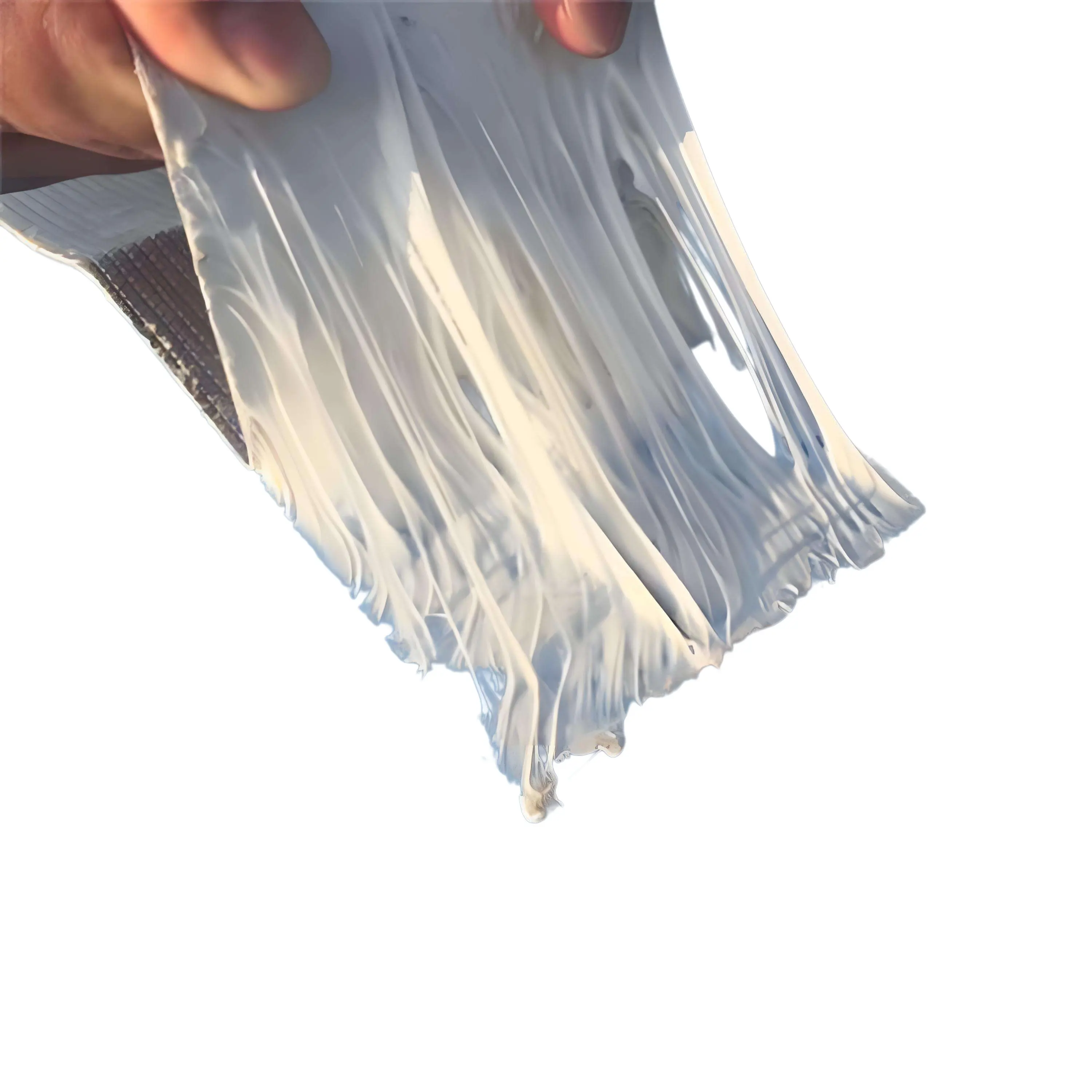
Choosing among self adhesive waterproof membrane suppliers requires a different checklist from the one used for torch-applied bituminous rolls. In a self adhesive system the factory-applied adhesive layer is the waterproofing engine: if the bond fails, nothing else matters. Focus shifts to bond-related evidence: peel adhesion data, release liner quality, adhesive aging, and the temperature window for pressing the adhesive onto a substrate. This guide sets out six checks specific to sourcing self adhesive bitumen membrane, using published product data as benchmarks.
Comparing self adhesive waterproof membrane suppliers starts here. A torch-applied membrane bonds by melting bitumen on site, so field quality depends largely on workmanship. A self adhesive roll depends on factory quality: the pressure-sensitive layer is coated, protected and stored inside the roll before it reaches site. An audit should therefore examine how the adhesive is produced, shielded by its release liner, and tested — not only the finished sheet. Two published grades show the target level. A 1.5mm mineral sand grade specifies peel adhesion of ≥ 1.5 N/mm, tensile strength ≥ 400 N/50mm, elongation at break ≥ 30%, low temperature flexibility at -15°C and heat resistance at 90°C. A 1.2mm PE-film grade lists the identical bond rating with tensile strength ≥ 300 N/50mm and flexibility at -20°C.
The ≥ 1.5 N/mm peel adhesion value quoted on both reference pages is a floor achieved on clean, primed concrete under factory-validated conditions. Ask how each candidate verifies it in production: is a Certificate of Analysis issued per batch, by which method, how often? Request COAs from three separate production runs and compare. Batch-to-batch consistency reveals more than one high figure in a brochure. Confirm that tensile and elongation values on the shipment COA match the published data — the two grades differ in tensile rating and in low temperature flexibility. Any producer of self adhesive bitumen membrane who cannot supply batch-level records should leave your shortlist. These questions separate real self adhesive waterproof membrane suppliers from catalogue traders.
The release liner protects the tacky face during storage and is stripped off immediately before application, so its behavior on site directly affects installation speed. Check three things in a sample: clean one-piece stripping along the roll, no tearing, and a bond face that stays uncontaminated. Fragmenting liners slow crews; over-tight liners stretch the sheet. Ask each candidate among self adhesive waterproof membrane suppliers which liner construction they use and whether an easy-split version is available, then request enough sample for your crew to strip and press full-width meters of self adhesive bitumen membrane on site. If the release liner fights back at working temperature, flag it in your supplier report.
Pressure-sensitive adhesives lose tack over time, especially in heat, so fresh-bond performance can fade after a year in a hot warehouse. Ask every supplier for a stated shelf life, the storage conditions that preserve it — cool, dry, upright, out of direct sun — and whether stock rotates first-in, first-out. Ask too for evidence that the bond survives storage: peel adhesion results on samples aged under accelerated conditions, or at minimum a retest protocol for rolls held beyond the stated period. Heat can also block-bond rolls to their release liner and shift the compound's low temperature flexibility, so aged self adhesive bitumen membrane deserves a full retest.
Published flexibility values — -15°C on the mineral sand grade, -20°C on the PE film grade — describe the sheet, not the adhesive's ability to develop peel adhesion on a cold substrate. The practical floor is warmer and depends on priming, dryness and compaction. Consider a contractor planning a balcony retrofit in late autumn, when site mornings sit near freezing: sheets may pass a bend test yet fail to bond fully when pressed onto a cold deck. The answer is a trial: ask each candidate among self adhesive waterproof membrane suppliers for samples, then prime, press and cut a test area at the actual site temperature before scheduling the work. Low temperature flexibility is a sheet property; bond development is an adhesive property.
Both referenced product pages list MOQ from 500 m², a workable entry point for distributors testing a market. Roll format matters as much: the mineral sand grade ships in 1m × 10m rolls, the PE film grade in 1m × 10m or 1m × 20m, with custom widths and lengths available. Prefer longer rolls to cut laps? Confirm customization early. Check the documentation package too: TDS, MSDS, batch COA and test reports are standard export paperwork, and CE with ISO 9001 must cover the exact grade. A self adhesive bitumen membrane sold into Europe needs its own conformity evidence — not another product's certificate — as established self adhesive waterproof membrane suppliers document for every shipment.
Treat the ≥ 1.5 N/mm peel adhesion published on the two reference pages as a practical baseline for concrete substrates, and require a batch COA proving every shipment meets it.
The sheet may pass a low temperature flexibility test at -20°C, but bonding needs a warmer, dry, primed surface; always run a trial at site temperature before committing a schedule. Good sources of self adhesive bitumen membrane support the trial with primer and staff.
Order samples, check how the release liner strips, press test panels at site temperature, then send unopened rolls for independent peel adhesion testing — a routine followed by serious self adhesive waterproof membrane suppliers.

2026/11/20
How an APP waterproof membrane handles heat: 130°C softening point, torch application windows, overheating signs, summer storage, and thermal aging checks.

2026/11/20
The science of a breathable waterproof membrane: water vapor diffusion, Sd values, three grammage grades, water column resistance, and wrong-use cases.

2026/11/20
Single-ply or two-ply, every flat roof is a stack. See how a self adhesive waterproof membrane for roof systems handles base, cap, insulation and drains.

2026/11/20
How the polyester scrim sets tensile strength and dimensional stability of reinforced TPO membrane rolls, with welding, roll sizes and selection tips.

2026/11/20
How an aluminum foil coated bitumen waterproof membrane reflects solar radiation, lowers surface temperature, and what maintenance keeps savings alive.

2026/11/20
SBS modified bitumen waterproof membrane property groups: tensile strength, low-temperature flexibility, heat resistance, surface finishes, applications.
Links to the corresponding full news page.

The eight questions overseas buyers ask most — factory ownership, capacity, batch consistency and lead times, answered straight.

SBS membranes, polymer sheets, coatings and geomembranes — six product lines are operating simultaneously.

Pre-sales specification, on-site technical support and post-delivery maintenance across 100+ export markets.

Waterproofing performance is decided in the specification and the detailing, not just the material. Our technical team helps you select the right system, resolve site questions as they arise, and stay reachable long after the container lands.
