 EN
APP Waterproof Membrane: High-Temperature Stability Guide
2026/11/20
How an APP waterproof membrane handles heat: 130°C softening point, torch application windows, overheating signs, summer storage, and thermal aging checks.

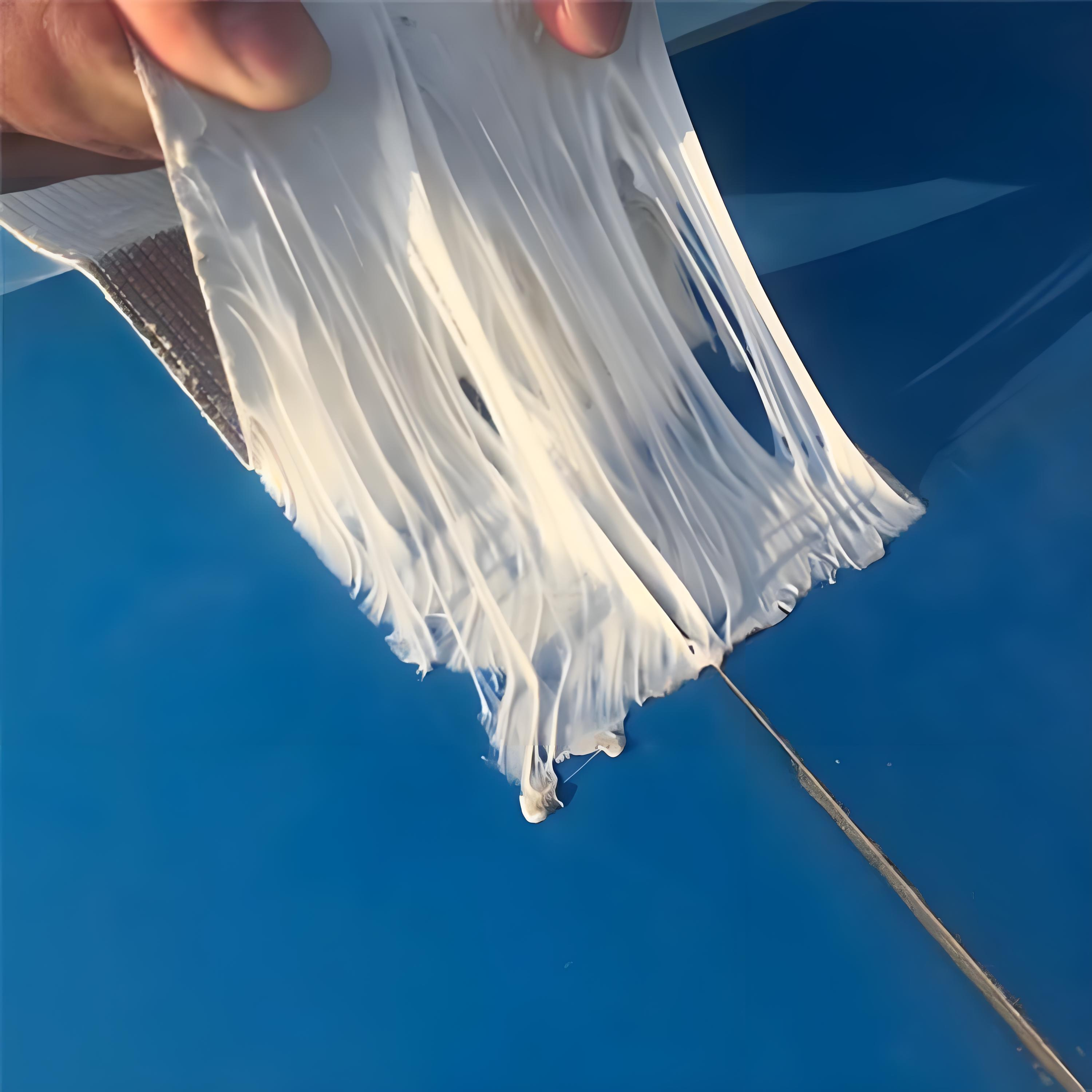
In commercial structural engineering, installing an industrial self adhesive waterproof sheet delivers an immediate, flame-free moisture barrier across diverse architectural assemblies. A self adhesive waterproof sheet relies on pressure-sensitive polymer compounds to establish a monolithic bond with concrete, masonry, and metal decks. Eliminating open-flame propane torches makes a self adhesive waterproof sheet the ideal selection for projects situated near occupied healthcare facilities or combustible timber framing. However, achieving dependable adhesion requires recognizing that a self adhesive waterproof sheet functions as an engineered system rather than a casual peel-and-stick patch. Commercial roofing contractors who master the interaction between a high-performance self adhesive waterproof sheet and prepared substrates can prevent moisture tracking and eliminate expensive warranty callbacks.
Selecting the correct self adhesive waterproof sheet starts with evaluating the chemical composition of the elastomeric core. Modified bitumen formulations represent the industry standard self adhesive waterproof sheet for commercial roofs and subterranean foundation footings. A quality polymer-modified self adhesive waterproof sheet provides lasting viscoelasticity, allowing the compound to absorb minor concrete structural settling without tearing. In contrast, specialized butyl rubber options offer superior chemical conformability around irregular plumbing pipes and curtain wall penetrations. For fully exposed parapets and metal building laps, an aluminum foil faced self adhesive waterproof sheet reflects solar thermal radiation while protecting the adhesive core from ultraviolet degradation. Specifying the proper composite self adhesive waterproof sheet ensures full chemical compatibility with the surrounding structural components.
Achieving a permanent bond with a self adhesive waterproof sheet demands meticulous substrate inspection before unrolling material. A concrete or masonry surface intended for a self adhesive waterproof sheet must be structurally sound, dry, and free of laitance, form oil, and curing compounds. Applying a self adhesive waterproof sheet over damp substrates creates an unbonded vapor barrier that causes localized blistering and edge delamination. Furthermore, contractors must grind down sharp ridges and fill substrate honeycombs, as irregular profiles bridge the self adhesive waterproof sheet and prevent full contact. Applying a compatible polymer primer prior to installing the self adhesive waterproof sheet consolidates residual dust and accelerates molecular wetting across porous masonry.
When detailing different structural interfaces, installers must apply specific preparation methods to ensure that each self adhesive waterproof sheet achieves maximum peel adhesion:
| Substrate Material | Surface Preparation Requirement | Primer Specification | Self Adhesive Waterproof Sheet Performance |
|---|---|---|---|
| Cast Concrete | Mechanically grind laitance and dry thoroughly | Solvent-based or polymer-emulsion primer | High compressive bond resisting lateral hydrostatic head |
| Plywood Sheathing | Secure fasteners flush and clean saw dust | Fast-drying synthetic elastomeric primer | Excellent shear flexibility accommodating wood deflection |
| Coated Metal Deck | Solvent degrease and abrade surface rust | Direct contact or specialized metal primer | Impermeable seal stopping wind-driven rain penetration |
The speed and reliability of a self adhesive waterproof sheet installation depend heavily on disciplined roll positioning and uniform mechanical compaction. Installers should dry-fit each self adhesive waterproof sheet along the water-shedding axis, cutting manageable lengths to prevent premature adhesive contact. Crews must peel the silicone release backing progressively from beneath the self adhesive waterproof sheet, pulling the film evenly at an acute angle to avoid stretching the elastomeric carrier. Once positioned, technicians must roll the entire surface of the self adhesive waterproof sheet using a weighted steel or silicone hand roller. Working outward from the centerline of the self adhesive waterproof sheet displaces trapped air pockets and forces the tacky compound into microscopic substrate pores.
The integrity of any self adhesive waterproof sheet installation hinges on continuous execution across sheet laps, corners, and penetrations. When splicing adjoining runs of the self adhesive waterproof sheet, workers must maintain minimum lap margins of seventy-five millimeters on side laps and one hundred millimeters on end joints. Installers should stagger end laps across successive runs of the self adhesive waterproof sheet to avoid concentrating four-way sheet intersections. At structural inside corners, placing a preformed angle strip of the self adhesive waterproof sheet provides vital reinforcement before installing the primary field membrane. Furthermore, sealing all exposed termination edges of the self adhesive waterproof sheet with an approved elastomeric mastic prevents water from tracking behind the assembly.
Commercial procurement teams and building contractors should source every roll of self adhesive waterproof sheet directly from verified manufacturing facilities. Shandong Dingtai Waterproof Technology Co., Ltd. manufactures certified self adhesive waterproof sheet rolls under the JinDingTai brand, enforcing strict quality controls for compound thickness, tensile strength, and low-temperature flexibility. Procuring a factory-tested self adhesive waterproof sheet guarantees that shipments maintain uniform peel adhesion and release liner integrity across large-scale commercial developments. In addition, JinDingTai supports custom roll dimensions and composite facings to meet specialized engineering project submittals. Investing in a proven self adhesive waterproof sheet safeguards building envelopes against moisture damage and reduces structural lifecycle maintenance costs.
No, a self adhesive waterproof sheet must never be installed over green, damp, or wet concrete substrates. Residual moisture acts as a parting layer that prevents the adhesive compound from wetting the substrate, causing blisters and edge lifting. Always ensure the concrete has fully cured and dried before applying primer and the self adhesive waterproof sheet.
High-grade self adhesive waterproof sheet rolls operate reliably across temperatures ranging from minus thirty degrees Celsius to eighty degrees Celsius. The modified elastomeric core prevents brittle cracking in sub-zero winter weather while resisting adhesive flow and sagging under intense summer solar heat.
Mechanical roller pressure activates the pressure-sensitive compound inside the self adhesive waterproof sheet, forcing the viscoelastic mass into microscopic substrate textures. Compacting the self adhesive waterproof sheet displaces air voids and ensures one hundred percent continuous surface adhesion.

2026/11/20
How an APP waterproof membrane handles heat: 130°C softening point, torch application windows, overheating signs, summer storage, and thermal aging checks.

2026/11/20
The science of a breathable waterproof membrane: water vapor diffusion, Sd values, three grammage grades, water column resistance, and wrong-use cases.

2026/11/20
Single-ply or two-ply, every flat roof is a stack. See how a self adhesive waterproof membrane for roof systems handles base, cap, insulation and drains.

2026/11/20
How the polyester scrim sets tensile strength and dimensional stability of reinforced TPO membrane rolls, with welding, roll sizes and selection tips.

2026/11/20
How an aluminum foil coated bitumen waterproof membrane reflects solar radiation, lowers surface temperature, and what maintenance keeps savings alive.

2026/11/20
SBS modified bitumen waterproof membrane property groups: tensile strength, low-temperature flexibility, heat resistance, surface finishes, applications.
Links to the corresponding full news page.

The eight questions overseas buyers ask most — factory ownership, capacity, batch consistency and lead times, answered straight.

SBS membranes, polymer sheets, coatings and geomembranes — six product lines are operating simultaneously.

Pre-sales specification, on-site technical support and post-delivery maintenance across 100+ export markets.

Waterproofing performance is decided in the specification and the detailing, not just the material. Our technical team helps you select the right system, resolve site questions as they arise, and stay reachable long after the container lands.
