
 EN
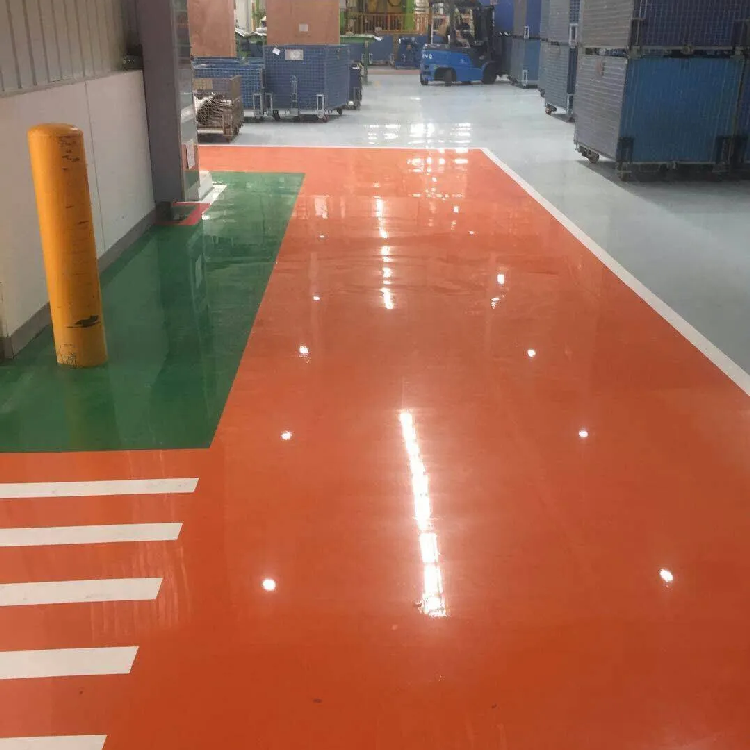
Natural slate is prized in commercial architecture and residential design for its rugged aesthetics and structural longevity, yet it rarely behaves like a uniform concrete slab. Because metamorphic stone features natural clefts, microscopic pores, varying mineral densities, and fluctuating absorption rates, applying a generic floor coating often leads to premature blistering, delamination, or hazardous wet-slip conditions. Selecting the optimal slate floor paint requires treating the project as an engineered waterproofing system rather than a simple cosmetic touch-up. Facility managers and flooring contractors must evaluate substrate porosity, hydrostatic moisture vapor emission, pedestrian or wheeled traffic loads, chemical sanitation routines, and slip-resistance thresholds before specifying a product.
From a field execution standpoint, achieving a permanent waterproof seal on natural stone follows a strict technical sequence. Applicators must first diagnose the existing stone and mortar joint stability, strip away incompatible historical waxes or topical sealers, match the polymer resin chemistry to the specific service environment, and strictly monitor ambient curing conditions. Even the highest-grade industrial slate floor paint will delaminate within months if rolled directly over efflorescence dust, trapped sub-slab moisture, or unprimed stone cleavages.
Define the Functional Demands of the Stone Surface
Before comparing coating formulations, project planners must establish the exact operational stresses the waterproofed stone will endure. In a high-traffic commercial lobby, retail showroom, or hospitality corridor, a slate floor paint system must prioritize abrasion resistance, color uniformity, ultraviolet stability, and effortless daily maintenance. Conversely, in commercial kitchens, food-beverage preparation zones, patio walkways, or wet washdown rooms, the primary engineering objective shifts toward complete liquid impermeability, thermal shock resistance, and reliable wet-footing traction.
Evaluating coatings solely by initial price per gallon frequently leads to expensive facility downtime and mechanical stripping costs later. When procurement teams shift their focus from upfront material cost to total lifecycle performance, they avoid the common pitfall of applying light-duty residential deck paints onto demanding commercial stone substrates. A properly specified slate floor paint seals microscopic stone capillaries against water intrusion and staining while preserving the natural topological character of the masonry.
Selecting the Optimal Resin Chemistry for Slate Substrates
Epoxy Systems for High-Build Structural Protection
Two-component epoxy formulations are widely specified when an interior slate substrate requires a thick, impact-resistant barrier capable of withstanding heavy rolling loads, chemical spills, and aggressive detergent scrubbing. When formulated as a dedicated slate floor paint system, a low-viscosity penetrating epoxy primer soaks deep into the stone pores to anchor the subsequent high-build body coat. However, engineers must account for the natural rigidity of standard epoxy resins. Because natural stone tiles and their surrounding mortar joints expand and contract at slightly different rates, rigid epoxy coatings can crack if applied over unstable subfloors. All hollow tiles, hairline fractures, and deteriorating grout lines must be mechanically stabilized before applying an epoxy slate floor paint.
Polyurethane Coatings for Flexibility and Wet-Service Durability
Aliphatic and aromatic polyurethane coatings provide superior elasticity, abrasion resistance, and thermal adaptability compared to rigid resins. Specifying a polyurethane slate floor paint is particularly advantageous for exterior stone patios exposed to intense sunlight, as well as interior commercial kitchens subjected to hot water washdowns and thermal cycling. Polyurethane chemistry absorbs localized micro-movements within the stone bed without fracturing the waterproof film. Furthermore, polyurethane topcoats integrate seamlessly with graded anti-slip aggregates, allowing contractors to broadcast silica sand, aluminum oxide, or polymer beads into the wet film to create a cleanable, high-traction waterproof surface.
Breathable Acrylic Sealer Paints for Low-Demand Zones
Water-based and solvent-borne acrylic coatings offer rapid drying times, straightforward single-component application, and straightforward future recoating for light-duty interior or semi-covered stone areas. While an acrylic slate floor paint enhances surface coloration and prevents superficial dust absorption, its thinner film build cannot match the chemical resistance or hydrostatic waterproofing power of cross-linked epoxy or polyurethane assemblies. Acrylic systems are best reserved for decorative residential basements, light-traffic sunrooms, or vertical stone feature walls where heavy mechanical wear and standing water are absent.
Critical Substrate Preparation Before Coating Application
Surface preparation determines the ultimate bond strength of any stone waterproofing project. Natural slate frequently harbors deeply embedded grease, efflorescence salts, silicone polishes, or degraded acrylic sealers within its uneven cleft texture. A visual inspection alone cannot confirm substrate readiness, as an apparently dry stone surface may still harbor invisible chemical contaminants or upward-migrating ground moisture.
Contractors must begin by performing a comprehensive percussion sounding survey across the entire floor, tapping tiles to identify hollow spots, loose slate layers, and crumbling mortar joints. Next, the surface must undergo thorough chemical degreasing and mechanical stripping to remove every trace of old wax, oil, or incompatible cure-and-seal films, followed by high-pressure rinsing and industrial wet-vacuum extraction. Once clean, applicators should lightly abrade the stone surface using diamond-impregnated scrubbing brushes or controlled shot-blasting to open the surface pores without shattering fragile slate cleavage planes. After repairing cracked grout lines with polymer-modified mortar and allowing the patches to cure completely, technicians must conduct calcium chloride or relative humidity testing to verify that sub-slab moisture vapor emission falls safely within the tolerance of the chosen slate floor paint.
Balancing Waterproof Impermeability with Slip Resistance
Sealing natural stone with a high-gloss waterproof film inevitably fills in the microscopic surface roughness that naturally provides foot traction. When a smooth slate floor paint becomes wet from rain, tracked-in snow, or kitchen washdowns, the surface coefficient of friction drops dramatically, creating a severe slip hazard for staff and visitors. Consequently, waterproofing and traction engineering must be executed simultaneously rather than treated as separate steps.
To engineer dependable wet grip, applicators must incorporate calibrated micronized polymer beads or graded mineral aggregates into the final topcoat of the slate floor paint system. The particle size and broadcast density must be carefully matched to the facility's sanitation equipment. If the aggregate profile is excessively coarse and jagged, mop fibers will shred and organic food soils will lodge permanently between the peaks, breeding bacteria and ruining hygiene standards. Conversely, an ultra-fine polymeric grit suspended uniformly within a satin polyurethane slate floor paint delivers certified wet-pendulum slip resistance while allowing rotary floor scrubbers to sanitize the stone effortlessly.
Field Application Controls That Prevent Coating Failures
Executing a flawless installation requires strict adherence to the manufacturer’s mixing ratios, induction times, pot-life windows, and wet-film thickness specifications. Because natural slate features high-and-low cleft variations, applying a slate floor paint too thickly with a standard flat squeegee can cause resin to pool in the valleys, leading to solvent entrapment, surface skinning, and unsightly micro-bubbling. Experienced installers apply the penetrating primer and subsequent body coats using medium-nap microfiber rollers combined with stiff bristle brushes to work the resin evenly into deep stone crevices without flooding the texture.
Environmental monitoring is equally vital throughout the application window. Substrate temperature must remain at least 3 degrees Celsius above the calculated ambient dew point to prevent invisible moisture condensation from forming on the cold stone prior to overcoating. Each coat of slate floor paint must be applied strictly within the specified recoat window to achieve chemical cross-linking between layers; if the window is missed, the cured layer must be mechanically sanded before the next coat is applied. Special detailing attention must be directed toward perimeter wall coves, floor drains, and expansion joints, where flexible elastomeric sealants must interface smoothly with the rigid waterproof floor coating.
Final Quality Inspection and Return-to-Service Verification
Before reopening the waterproofed stone floor to commercial operations, the site supervisor must conduct a meticulous closeout inspection under bright raking light. The cured slate floor paint should exhibit a uniform sheen, complete pinhole-free coverage across sharp stone ridges, consistent anti-slip grit distribution, and firm edge adhesion along all mortar transitions. Any minor pinholes caused by outgassing pores should be spot-sanded, solvent-wiped, and sealed with an additional touch-up layer. Finally, facility managers must respect the distinct curing milestones of the resin system: while light foot traffic may be permitted after 24 hours, heavy wheeled trolleys, standing water exposure, and aggressive chemical scrubbing should be withheld until the slate floor paint reaches full chemical cure, typically between five and seven days depending on site temperatures.










