 EN
APP Waterproof Membrane: High-Temperature Stability Guide
2026/11/20
How an APP waterproof membrane handles heat: 130°C softening point, torch application windows, overheating signs, summer storage, and thermal aging checks.

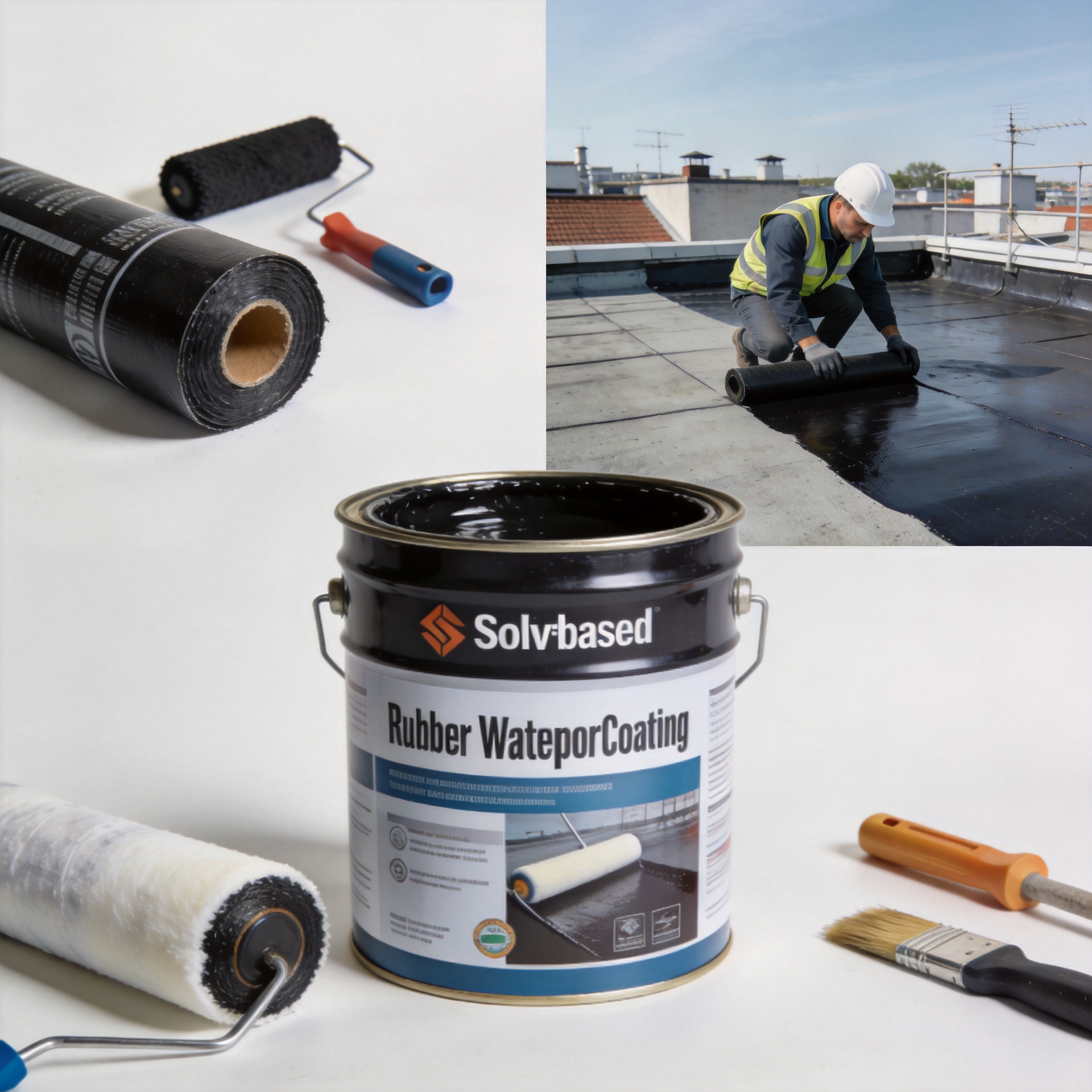
When procurement managers and roofing contractors compare quotes for a Solvent-Based Rubber Waterproof Coating, the most significant price variations always trace back to the underlying chemical formulation inside the pail. Based on our extensive manufacturing experience supplying liquid waterproofing membranes for commercial foundations, bridges, and industrial roofs, two coatings that look identical in a catalog can perform very differently on a jobsite. A premium Solvent-Based Rubber Waterproof Coating is formulated by blending refined waterproofing asphalt with high-grade synthetic rubber elastomers, organic carrier solvents, and specialized reinforcing fillers. Synthetic rubber modifiers give the cured membrane its elastic memory, crack-bridging capability, and resistance to extreme temperature swings, yet these polymers represent the highest raw material cost in the production kettle. Lower-priced alternatives often reduce the proportion of virgin rubber modifiers or substitute inferior hydrocarbon solvents, which lowers the initial factory price per ton but results in a brittle film that cracks prematurely under structural movement.
Evaluating the cost of a Solvent-Based Rubber Waterproof Coating strictly by the unit price per drum or pail is one of the most common budgeting mistakes in construction procurement. From a technical waterproofing perspective, the real economic value of any liquid membrane is governed by its non-volatile solids content and the resulting dry film thickness achieved on the substrate. As the carrier solvent evaporates during curing, only the solid rubberized bitumen matrix remains behind to form the seamless waterproof barrier. A higher-solids Solvent-Based Rubber Waterproof Coating deposits a thicker, denser protective layer in fewer application passes, directly reducing both material consumption per square meter and on-site labor hours. Conversely, a heavily diluted coating with excessive solvent volume may appear inexpensive on an initial supplier quotation, yet contractors end up purchasing significantly more pails and paying crews for extra coats just to reach the required project membrane thickness.
Project specifications often demand specialized performance enhancements that directly influence how a Solvent-Based Rubber Waterproof Coating is priced at the factory level. Depending on the target engineering environment, buyers may require cold-weather flexibility for sub-zero winter installations, elevated softening points for hot tropical roofs, or enhanced resistance against soil chemicals and root penetration in underground retaining walls. Authoritative construction estimating standards recognize that tailoring a Solvent-Based Rubber Waterproof Coating with ultraviolet stabilizers, anti-sagging thixotropic agents, or adhesion promoters adds measurable raw material and processing value. In our factory consultations with overseas importers, we help buyers avoid paying for unnecessary chemical additives by aligning the exact coating grade with their regional climate and application method. Whether a contractor needs a brush-grade, roller-grade, or heavy spray-grade viscosity, matching the formulation directly to field conditions optimizes both upfront procurement cost and long-term structural durability.
Beyond chemical composition, commercial supply chain variables play a major role in the final landed cost of a Solvent-Based Rubber Waterproof Coating for international buyers. In factory-direct OEM production, bulk order quantities allow continuous kettle mixing and automated filling runs, which lowers per-unit manufacturing overhead compared to small trial batches. Packaging selection also introduces clear cost tiers: heavy-duty metal pails and steel drums offer superior impact and vapor protection for solvent-based liquids during long ocean voyages, and custom lithographic printing or private-label branding carries specific setup costs based on order volume. Furthermore, because a Solvent-Based Rubber Waterproof Coating contains flammable organic solvents, international maritime shipping requires compliant export packaging, safety documentation, and specialized container handling. Consolidating orders into full container loads maximizes pallet space utilization and substantially reduces the freight and customs clearance expense allocated to each pail.
Building a reliable waterproofing supply chain requires transparent cost breakdowns and consistent batch quality rather than chasing the lowest unverified market quote. When sourcing a Solvent-Based Rubber Waterproof Coating directly from an experienced manufacturing facility, buyers eliminate middleman markups while gaining full visibility into raw material grading, solid-to-solvent ratios, and container loading efficiency. Before confirming a bulk contract, our engineering team provides physical samples for field adhesion and curing verification so contractors can accurately calculate real-world coverage rates on their specific concrete or metal substrates. By combining clear technical documentation, verifiable pre-shipment quality inspections, and tailored OEM packaging options, we help building material distributors and project developers lock in predictable pricing and dependable waterproofing performance across every shipment.
Basic bitumen paint contains minimal polymer modification and acts primarily as a thin damp-proofing layer that becomes brittle over time. A true rubberized waterproof coating incorporates synthetic rubber elastomers that provide high elongation, crack-bridging strength, and long-term weather durability, which increases raw material value while preventing costly structural leaks.
Water-based waterproofing emulsions can freeze inside the container or fail to coalesce properly when ambient temperatures approach freezing or when humidity is high. Solvent-based formulations resist freezing, penetrate concrete pores rapidly, and cure reliably across a wider temperature range, helping contractors avoid expensive weather-related project delays.
Importers can lower their total landed cost by ordering full container loads to dilute ocean freight fees, selecting standardized metal pail sizes, and sharing accurate project substrate details with the factory so engineers can recommend the most cost-effective solids formulation without over-specifying.

2026/11/20
How an APP waterproof membrane handles heat: 130°C softening point, torch application windows, overheating signs, summer storage, and thermal aging checks.

2026/11/20
The science of a breathable waterproof membrane: water vapor diffusion, Sd values, three grammage grades, water column resistance, and wrong-use cases.

2026/11/20
Single-ply or two-ply, every flat roof is a stack. See how a self adhesive waterproof membrane for roof systems handles base, cap, insulation and drains.

2026/11/20
How the polyester scrim sets tensile strength and dimensional stability of reinforced TPO membrane rolls, with welding, roll sizes and selection tips.

2026/11/20
How an aluminum foil coated bitumen waterproof membrane reflects solar radiation, lowers surface temperature, and what maintenance keeps savings alive.

2026/11/20
SBS modified bitumen waterproof membrane property groups: tensile strength, low-temperature flexibility, heat resistance, surface finishes, applications.
Links to the corresponding full news page.

The eight questions overseas buyers ask most — factory ownership, capacity, batch consistency and lead times, answered straight.

SBS membranes, polymer sheets, coatings and geomembranes — six product lines are operating simultaneously.

Pre-sales specification, on-site technical support and post-delivery maintenance across 100+ export markets.

Waterproofing performance is decided in the specification and the detailing, not just the material. Our technical team helps you select the right system, resolve site questions as they arise, and stay reachable long after the container lands.
