 EN
APP Waterproof Membrane: High-Temperature Stability Guide
2026/11/20
How an APP waterproof membrane handles heat: 130°C softening point, torch application windows, overheating signs, summer storage, and thermal aging checks.

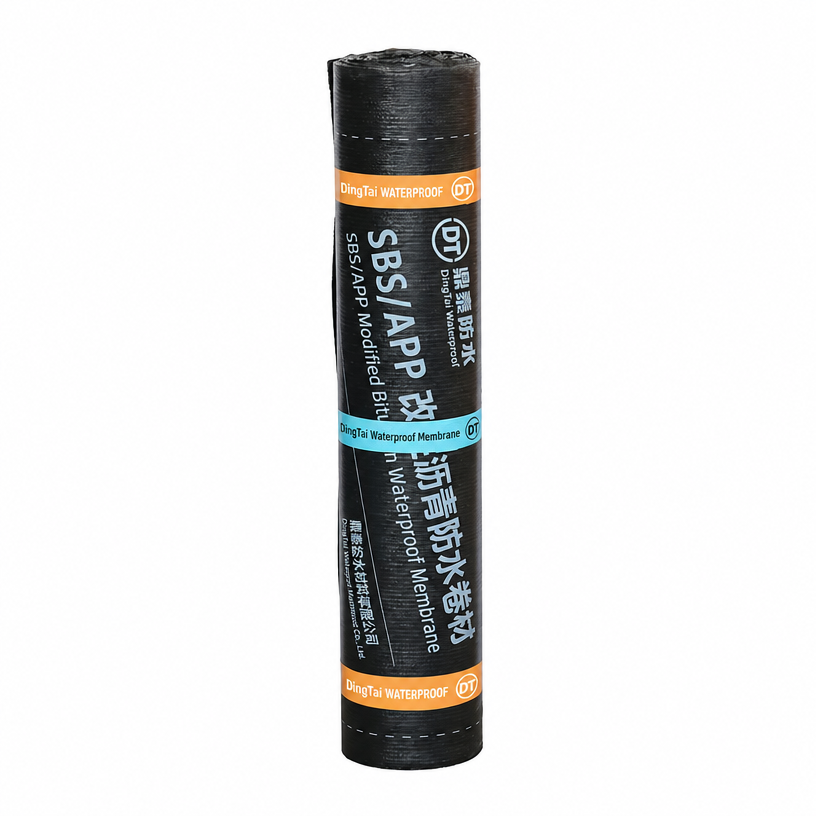
In commercial substructure engineering and foundation design, installing a certified underslab waterproofing membrane is essential for shielding ground-supported slabs from persistent water ingress. An underslab waterproofing membrane represents a pre-applied barrier installed directly over prepared ground before concrete placement. Selecting an inferior barrier to cut initial foundation expenses often leads to moisture migration and costly interior floor failures, making remediation beneath a cured slab nearly impossible. Utilizing a high-performance underslab waterproofing membrane creates a continuous impermeable plane that halts subterranean groundwater and vapor intrusion. For civil engineering contractors and commercial developers, specifying an industrial-grade underslab waterproofing membrane guarantees structural protection that complies with international building codes. Deploying an engineered underslab waterproofing membrane ensures that interior floor finishes remain free from moisture-induced debonding and mold growth throughout the building lifecycle.
Subterranean groundwater exerts significant hydrostatic head pressure against bottom slab surfaces in commercial foundations. A robust underslab waterproofing membrane resists upward hydraulic pressure while bridging micro-deflections in the settling subbase. Unlike conventional polyethylene sheets that tear easily under heavy construction traffic, a composite underslab waterproofing membrane combines high-tensile polymer films with resilient elastomeric adhesive compounds. This multi-layered underslab waterproofing membrane absorbs point-load stress and prevents punctures from coarse aggregate bedding layers. Furthermore, the specialized formulation of an underslab waterproofing membrane resists soil-borne contaminants, alkalis, and subterranean sulfates. Specifying a proven underslab waterproofing membrane ensures that foundation slabs remain impervious to seasonal water table fluctuations. Contracting teams rely on the underslab waterproofing membrane to maintain an airtight vapor shield across expansive slab footprints.
The key engineering advantage of a modern underslab waterproofing membrane lies in its mechanical wet-bond adhesion to freshly poured concrete. As liquid concrete cures against the adhesive surface of the underslab waterproofing membrane, a permanent mechanical interlock is established. This intimate bond ensures that the underslab waterproofing membrane prevents lateral water migration between the sheet and the slab bottom. Even if the underslab waterproofing membrane suffers localized puncturing from dropped tools, water cannot travel beneath the slab to cause widespread interior flooding. Sourcing a high-shear underslab waterproofing membrane eliminates tracking channels that undermine traditional loose-laid plastic vapor barriers. In addition, this continuous adhesion allows the underslab waterproofing membrane to accommodate slab shrinkage without edge delamination. Engineering firms mandate a fully adhered underslab waterproofing membrane to ensure zero water movement along the foundation interface.
Achieving reliable long-term performance with an underslab waterproofing membrane requires disciplined subgrade preparation prior to unrolling the material. The receiving subbase beneath the underslab waterproofing membrane must be fully compacted, stable, and free of protruding rocks, standing puddles, and sharp construction debris. Installing an underslab waterproofing membrane over poorly consolidated aggregate creates voids that cause localized stress concentrations under heavy concrete trucks. For mud slabs or lean concrete working beds, technicians must sweep the surface clean before laying down the underslab waterproofing membrane. When positioning the underslab waterproofing membrane over compacted crushed stone, crews should verify that the substrate is smooth enough to prevent punctures. Properly preparing the subgrade before rolling out the underslab waterproofing membrane guarantees a uniform bearing surface that supports the structural slab load.
The watertight continuity of an underslab waterproofing membrane installation depends on meticulous detailing around penetrations and edge laps. When joining adjacent rolls of the underslab waterproofing membrane, workers must maintain a consistent overlap margin of at least seventy-five millimeters along both side and end seams. Technicians must thoroughly roll every lap seam of the underslab waterproofing membrane using a heavy silicone hand roller to ensure complete adhesive consolidation. Around plumbing pipes, structural columns, and elevator pits, crews should tailor specialized collars and transition strips compatible with the underslab waterproofing membrane. Failing to seal penetrations through the underslab waterproofing membrane creates direct conduits for moisture and harmful subterranean gases. Conducting rigorous pre-pour inspections across all underslab waterproofing membrane overlaps ensures an unbroken moisture barrier before reinforcement steel is placed.
Wholesale distributors and civil construction contractors maximize procurement efficiency by purchasing their underslab waterproofing membrane rolls directly from verified manufacturers. Shandong Dingtai Waterproof Technology Co., Ltd. produces heavy-duty pre-applied membranes under the JinDingTai brand, delivering a premier underslab waterproofing membrane system for global engineering projects. Sourcing a factory-direct underslab waterproofing membrane ensures uniform sheet gauge, dependable low-temperature flexibility, and clean release liner performance. In addition, JinDingTai formulates each underslab waterproofing membrane with virgin polymers to optimize tensile elongation and puncture resistance. Procuring customized roll widths of the underslab waterproofing membrane streamlines jobsite layout and minimizes seam splicing labor. Investing in a proven underslab waterproofing membrane from JinDingTai safeguards commercial buildings from subterranean moisture decay for decades.
Yes, an engineered underslab waterproofing membrane provides an effective barrier against subterranean soil gases including radon, methane, and toxic volatile organic compounds. The dense polymer matrix and sealed laps of a high-performance underslab waterproofing membrane stop hazardous soil gases from permeating through concrete slabs into occupied building interiors.
A pre-applied underslab waterproofing membrane incorporates a specialized pressure-sensitive adhesive core or textured surface layer that interacts directly with fresh concrete. As the poured concrete hydrates and hardens, it forms an intimate mechanical interlock with the underslab waterproofing membrane, eliminating voids where lateral water migration could occur.
Before laying down an underslab waterproofing membrane, the supporting subbase must be compacted, level, and free of sharp aggregate, debris, or standing water. On compacted earth or gravel, installing an underslab waterproofing membrane requires a smooth surface to prevent point-load punctures, while installation over a concrete mud slab requires a clean, swept substrate.

2026/11/20
How an APP waterproof membrane handles heat: 130°C softening point, torch application windows, overheating signs, summer storage, and thermal aging checks.

2026/11/20
The science of a breathable waterproof membrane: water vapor diffusion, Sd values, three grammage grades, water column resistance, and wrong-use cases.

2026/11/20
Single-ply or two-ply, every flat roof is a stack. See how a self adhesive waterproof membrane for roof systems handles base, cap, insulation and drains.

2026/11/20
How the polyester scrim sets tensile strength and dimensional stability of reinforced TPO membrane rolls, with welding, roll sizes and selection tips.

2026/11/20
How an aluminum foil coated bitumen waterproof membrane reflects solar radiation, lowers surface temperature, and what maintenance keeps savings alive.

2026/11/20
SBS modified bitumen waterproof membrane property groups: tensile strength, low-temperature flexibility, heat resistance, surface finishes, applications.
Links to the corresponding full news page.

The eight questions overseas buyers ask most — factory ownership, capacity, batch consistency and lead times, answered straight.

SBS membranes, polymer sheets, coatings and geomembranes — six product lines are operating simultaneously.

Pre-sales specification, on-site technical support and post-delivery maintenance across 100+ export markets.

Waterproofing performance is decided in the specification and the detailing, not just the material. Our technical team helps you select the right system, resolve site questions as they arise, and stay reachable long after the container lands.
