 EN
APP Waterproof Membrane: High-Temperature Stability Guide
2026/11/20
How an APP waterproof membrane handles heat: 130°C softening point, torch application windows, overheating signs, summer storage, and thermal aging checks.

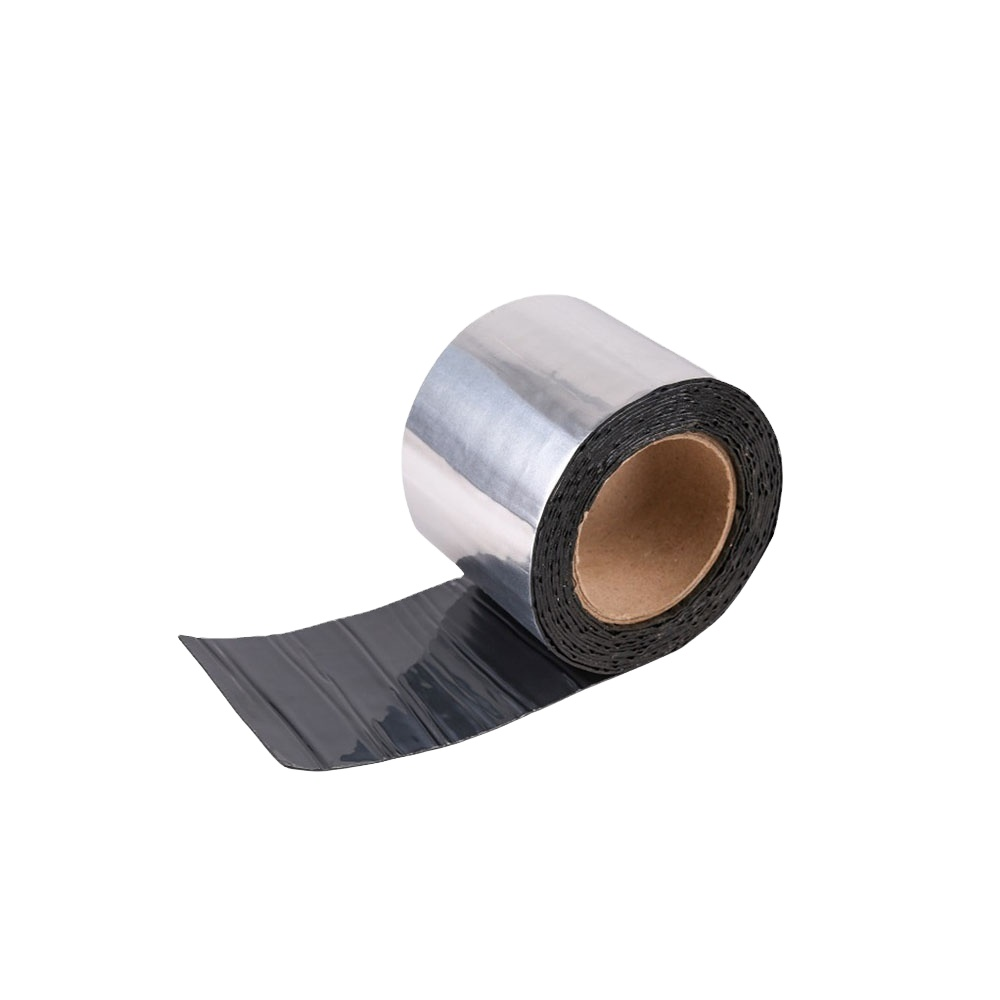
In commercial building envelope maintenance, applying an industrial waterproof adhesive tape provides an immediate, cold-applied barrier across critical transition details. A waterproof adhesive tape is an engineered sealing component specifically formulated to prevent liquid moisture infiltration at joints, roof laps, and flashing seams. Unlike large sheet membranes that require specialized hot air welding equipment or open flames, a quality waterproof adhesive tape adheres directly to building substrates through contact pressure. However, selecting the correct waterproof adhesive tape involves analyzing chemical formulation, backing resilience, and expected environmental exposure rather than comparing unit prices alone. Commercial contractors who understand how a specialized waterproof adhesive tape interacts with varied construction substrates can eliminate water leaks and prevent recurring structural repairs.
Selecting the proper waterproof adhesive tape starts with evaluating the chemical composition of the elastomeric compound. Synthetic butyl rubber formulations represent the most versatile waterproof adhesive tape for commercial roofing laps, exterior gutters, and curtain wall transitions. A high-grade butyl waterproof adhesive tape provides continuous viscoelasticity, enabling the rubber mass to flow into microscopic substrate pores under firm roller pressure. In bituminous roof restorations, an asphalt-based waterproof adhesive tape ensures chemical compatibility with existing modified bitumen sheets while maintaining heavy puncture resistance. Furthermore, advanced acrylic waterproof adhesive tape options offer clean handling and excellent vapor control compatibility for lightweight wall sheathing and precast panel joints. Matching the chemical formulation of your waterproof adhesive tape to the surrounding building assembly ensures long-term seam stability without premature adhesive failure.
The outer backing of a waterproof adhesive tape dictates its resistance to ultraviolet radiation, physical abrasion, and thermal expansion. An aluminum foil faced waterproof adhesive tape provides robust solar reflection, shielding the adhesive compound from degradation on fully exposed metal roofs. In contrast, a waterproof adhesive tape with a nonwoven fleece facing provides an ideal mechanical key for receiving subsequent liquid waterproofing coatings or cementitious mortars. For concealed lap interfaces where two rigid panels overlap, choosing a double-sided waterproof adhesive tape creates an internal, airtight compression gasket. Specifiers must choose a waterproof adhesive tape with a backing designed for specific service conditions, as an unshielded backing can degrade rapidly under direct solar exposure.
Matching the width of a waterproof adhesive tape to the physical dimensions of the joint prevents water from tracking around sealed edges. For narrow metal overlaps and screw fastener lines, contractors commonly install a waterproof adhesive tape in widths of fifty to seventy-five millimeters. When detailing wider parapet flashings, roof valley joints, or cracked gutters, a broader waterproof adhesive tape spanning one hundred to one hundred and fifty millimeters provides an essential bonding margin on both sides of the seam. For broad crack repairs, foundation curbs, and complex transitions, a heavy-duty waterproof adhesive tape measuring two hundred to three hundred millimeters ensures adequate surface coverage. Specifying an appropriately sized waterproof adhesive tape prevents void formation and ensures continuous perimeter adhesion along textured surfaces.
Achieving permanent adhesion with a pressure-sensitive waterproof adhesive tape demands meticulous substrate preparation. Installers must clean the target area to remove loose dust, rust, flaking coatings, and oil, as a waterproof adhesive tape cannot bond to contaminated substrates. Applying a waterproof adhesive tape over frost, standing water, or damp concrete creates a parting layer that leads to edge lifting. Once the surface is dry, crews should align the waterproof adhesive tape carefully, unrolling the protective release liner gradually to avoid stretching the viscoelastic compound. Technicians must consolidate the entire length of the waterproof adhesive tape using a heavy silicone hand roller, working from the center toward the perimeter to displace trapped air pockets. Conducting a visual inspection along all edges of the waterproof adhesive tape ensures that no wrinkles or fishmouths compromise the weather seal.
Installation failures typically occur from site handling errors rather than manufacturing defects within the waterproof adhesive tape. A frequent error involves stretching a rigid waterproof adhesive tape across corrugated panel profiles, causing the tape to bridge and peel over time. In addition, applying an incompatible waterproof adhesive tape over plasticized membranes can result in chemical softening and bond failure. Technicians should inspect every overlap to confirm that upper sheets shed water over lower runs of the waterproof adhesive tape. Documenting ambient temperature and substrate moisture before positioning the waterproof adhesive tape guarantees compliance with manufacturer specifications. Implementing disciplined quality checks ensures that each waterproof adhesive tape installation delivers dependable weatherproofing across demanding exterior environments.
Procuring construction materials directly from certified manufacturing plants provides distributors and contractors with consistent batch quality. Shandong Dingtai Waterproof Technology Co., Ltd. produces certified waterproof adhesive tape rolls under the JinDingTai brand, enforcing strict standards for adhesive thickness, tensile elongation, and release liner performance. Sourcing a factory-tested waterproof adhesive tape guarantees that rolls maintain reliable low-temperature flexibility and strong peel adhesion across masonry, metal, and plastic. In addition, purchasing standardized wholesale quantities of waterproof adhesive tape simplifies inventory management across large commercial projects. Investing in a proven waterproof adhesive tape safeguards building envelopes against moisture damage and reduces structural maintenance costs.
No, a waterproof adhesive tape must never be installed over wet, damp, or frosted surfaces. Moisture creates an unbonded barrier between the adhesive core of the waterproof adhesive tape and the substrate, preventing molecular wetting and causing premature seam failure. Always dry and clean surfaces thoroughly before applying a waterproof adhesive tape.
A butyl waterproof adhesive tape remains flexible across extreme hot and cold temperatures and bonds to a wider variety of surfaces, including metal, glass, and masonry. A bitumen waterproof adhesive tape is primarily formulated for compatibility with asphalt roof assemblies and requires careful temperature monitoring to prevent softening in intense heat.
Contractors should select a width of waterproof adhesive tape that bridges the entire defect while leaving at least thirty to fifty millimeters of sound bonding margin on each side. For standard joint laps, a seventy-five-millimeter or one-hundred-millimeter waterproof adhesive tape provides the ideal balance between coverage and handling ease.

2026/11/20
How an APP waterproof membrane handles heat: 130°C softening point, torch application windows, overheating signs, summer storage, and thermal aging checks.

2026/11/20
The science of a breathable waterproof membrane: water vapor diffusion, Sd values, three grammage grades, water column resistance, and wrong-use cases.

2026/11/20
Single-ply or two-ply, every flat roof is a stack. See how a self adhesive waterproof membrane for roof systems handles base, cap, insulation and drains.

2026/11/20
How the polyester scrim sets tensile strength and dimensional stability of reinforced TPO membrane rolls, with welding, roll sizes and selection tips.

2026/11/20
How an aluminum foil coated bitumen waterproof membrane reflects solar radiation, lowers surface temperature, and what maintenance keeps savings alive.

2026/11/20
SBS modified bitumen waterproof membrane property groups: tensile strength, low-temperature flexibility, heat resistance, surface finishes, applications.
Links to the corresponding full news page.

The eight questions overseas buyers ask most — factory ownership, capacity, batch consistency and lead times, answered straight.

SBS membranes, polymer sheets, coatings and geomembranes — six product lines are operating simultaneously.

Pre-sales specification, on-site technical support and post-delivery maintenance across 100+ export markets.

Waterproofing performance is decided in the specification and the detailing, not just the material. Our technical team helps you select the right system, resolve site questions as they arise, and stay reachable long after the container lands.
