 EN
APP Waterproof Membrane: High-Temperature Stability Guide
2026/11/20
How an APP waterproof membrane handles heat: 130°C softening point, torch application windows, overheating signs, summer storage, and thermal aging checks.

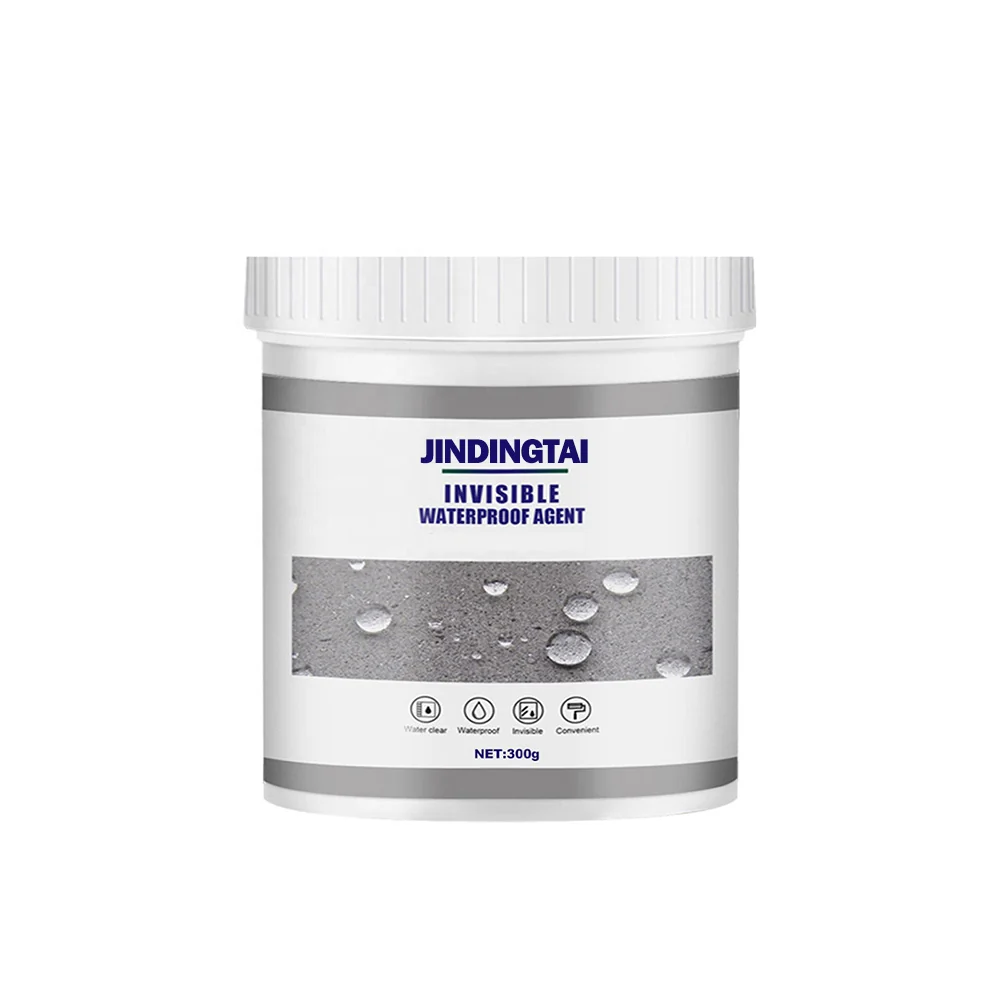
Concrete appears solid and indestructible from a distance, yet at a microscopic level every poured slab, foundation wall, and roof deck is a network of capillary pores, air voids, and shrinkage micro-cracks. In our extensive practical experience supplying waterproofing materials for commercial basements, water tanks, and flat roof structures, engineers and contractors frequently debate whether to rely on integral admixtures mixed into the wet concrete batch or to install a surface-applied Waterproof Coating for Concrete after the structure cures. Integral waterproofing works from the inside by adding hydrophobic or crystalline chemicals at the batching plant to block internal capillary pathways during hydration. By contrast, a surface-applied Waterproof Coating for Concrete creates a continuous, external protective shield directly over the cured masonry face. Understanding how these two methods behave under real-world structural movement and water pressure helps project owners avoid costly seepage repairs.
While integral admixtures effectively reduce internal water absorption through intact concrete, their primary engineering limitation becomes obvious whenever a structure settles, vibrates, or undergoes seasonal thermal expansion. Integral chemicals cannot stop water from pouring through wider structural cracks, expansion joints, pipe penetrations, or poorly consolidated cold joints. This is exactly where an elastomeric, surface-applied Waterproof Coating for Concrete provides irreplaceable protection. Formulated from flexible polymers such as polyurethane, pure acrylic, rubberized bitumen, or two-component polymer-modified cement, an applied liquid membrane cures into a seamless, monolithic skin with high elongation and tensile strength. When the underlying slab develops hairline fractures due to drying shrinkage or temperature swings, a flexible Waterproof Coating for Concrete stretches across the opening without tearing, keeping water completely isolated from the structural slab and preventing internal steel reinforcement from rusting.
Another decisive difference between integral systems and a topical Waterproof Coating for Concrete lies in project versatility and renovation feasibility. Integral waterproofing can only be added at the ready-mix plant or concrete mixer truck before the slab is poured; once a concrete roof deck, balcony, or basement wall is standing, integral admixtures are no longer an option. For millions of square meters of aging commercial roofs, leaking parking decks, and damp subterranean walls worldwide, a surface-applied Waterproof Coating for Concrete is the most practical and economical rehabilitation solution. Depending on site conditions, contractors can select an ultraviolet-resistant acrylic coating for exposed concrete roofs, a high-build polyurethane or rubberized asphalt liquid membrane for foundation walls and complex flashing details, or a breathable polymer cementitious slurry for damp masonry substrates. Matching the applied coating chemistry to the specific concrete environment delivers targeted protection without structural demolition.
Authoritative building envelope and civil engineering standards emphasize that surface-applied coatings and integral concrete treatments do not always have to compete; in deep foundations, subterranean tunnels, and potable water reservoirs, they often work together as a dual-defense system. However, even when integral waterproof concrete is specified for a deep basement, structural guidelines still mandate an external Waterproof Coating for Concrete across cold joints, tie-rod holes, and foundation wall perimeters exposed to aggressive groundwater chemicals. A topical Waterproof Coating for Concrete shields the high-alkaline concrete surface from acid rain, carbonation, deicing salts, and sulfate attack—degradation mechanisms that integral pore blockers alone cannot fully prevent at the outer skin. Furthermore, inspecting an applied liquid membrane before backfilling or tiling is straightforward: quality control engineers can visually verify uniform film coverage and seam reinforcement, whereas uneven mixing of integral additives inside a concrete truck remains hidden until a leak appears.
Achieving decades of leak-free performance from any Waterproof Coating for Concrete requires disciplined surface preparation and dependable material manufacturing. Because newly poured concrete has high alkalinity and often retains surface laitance, release oils, or curing moisture, applicators must clean, grind, and prime the substrate properly before brushing, rolling, or spraying the liquid membrane. Vulnerable concrete transitions—including wall-to-slab fillets, saw-cut control joints, and drain collars—should be reinforced with nonwoven polyester mesh embedded into a base layer of Waterproof Coating for Concrete to handle concentrated stress. Working directly with our factory gives building material distributors, waterproofing contractors, and project developers access to a complete portfolio of concrete waterproofing coatings tailored to regional climates. We provide custom viscosity grades, private-label drum and bag packaging, pre-shipment sample testing, and transparent batch inspection records so every concrete structure stays dry and protected.
Yes, in most roofing, balcony, and below-grade foundation projects, you still need a surface-applied waterproof coating. While integral admixtures reduce capillary dampness inside the concrete mass, they cannot bridge moving structural joints, pipe penetrations, or wider thermal cracks the way an elastic surface liquid membrane can.
For damp concrete basements and foundation walls, a two-component polymer-modified cementitious waterproof coating is ideal because its mineral-polymer matrix bonds directly to moist substrates and resists hydrostatic pressure without blistering. Once cured, it can also be paired with a polyurethane or rubberized bitumen topcoat for extra elasticity.
Start by power-washing the old concrete roof to remove dirt, moss, and chalky residue, then mechanically grind away loose mortar and repair any spalled areas or wide cracks with polymer repair mortar. Once the surface is clean, dry, and primed, apply the liquid waterproof coating in multiple cross-directional passes with polyester mesh reinforcement over joints.

2026/11/20
How an APP waterproof membrane handles heat: 130°C softening point, torch application windows, overheating signs, summer storage, and thermal aging checks.

2026/11/20
The science of a breathable waterproof membrane: water vapor diffusion, Sd values, three grammage grades, water column resistance, and wrong-use cases.

2026/11/20
Single-ply or two-ply, every flat roof is a stack. See how a self adhesive waterproof membrane for roof systems handles base, cap, insulation and drains.

2026/11/20
How the polyester scrim sets tensile strength and dimensional stability of reinforced TPO membrane rolls, with welding, roll sizes and selection tips.

2026/11/20
How an aluminum foil coated bitumen waterproof membrane reflects solar radiation, lowers surface temperature, and what maintenance keeps savings alive.

2026/11/20
SBS modified bitumen waterproof membrane property groups: tensile strength, low-temperature flexibility, heat resistance, surface finishes, applications.
Links to the corresponding full news page.

The eight questions overseas buyers ask most — factory ownership, capacity, batch consistency and lead times, answered straight.

SBS membranes, polymer sheets, coatings and geomembranes — six product lines are operating simultaneously.

Pre-sales specification, on-site technical support and post-delivery maintenance across 100+ export markets.

Waterproofing performance is decided in the specification and the detailing, not just the material. Our technical team helps you select the right system, resolve site questions as they arise, and stay reachable long after the container lands.
