 EN
APP Waterproof Membrane: High-Temperature Stability Guide
2026/11/20
How an APP waterproof membrane handles heat: 130°C softening point, torch application windows, overheating signs, summer storage, and thermal aging checks.

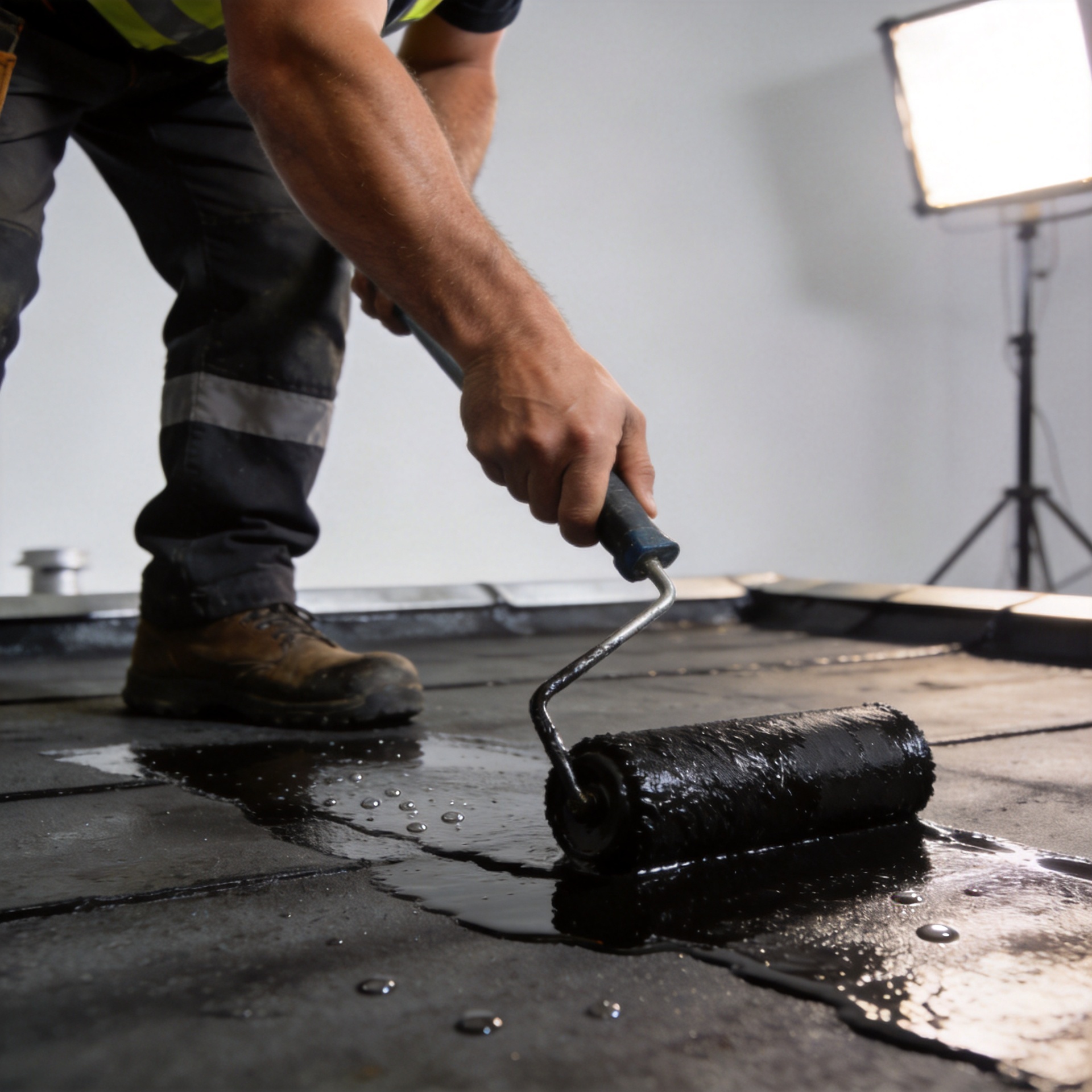
Waterproof coatings are liquid-applied materials designed to protect building surfaces from water penetration. After application and curing, they form a continuous protective layer that helps reduce moisture entry through concrete, masonry, metal, and other suitable substrates. Unlike sheet membranes, which are installed in separate sections, a liquid coating can follow corners, edges, joints, and irregular surface details with fewer seams.
The performance of a waterproof coating depends on more than its ability to repel water. Flexibility, adhesion, weather resistance, vapor permeability, and compatibility with the substrate all influence how well the coating performs in service. A product designed for an exposed roof, for example, may have different requirements from one used beneath bathroom tiles or on an exterior wall.
For contractors, distributors, and project buyers, understanding these differences is an important part of material selection. Choosing a coating according to the actual application can help reduce the risk of poor adhesion, cracking, premature deterioration, and unnecessary maintenance.
Different waterproof coatings are formulated for different construction conditions. Acrylic waterproof coating is commonly used on rooftops, balconies, exterior walls, and selected interior wet areas. It forms a flexible film after curing and is available in water-based formulations. Its flexibility and practical brush or roller application make it a useful option for suitable above-ground surfaces.
Silicone waterproof coating is another option for exposed building surfaces. Silicone-based formulations are valued for weather resistance and flexibility. Depending on the product grade, they may also provide vapor permeability, which can be relevant when moisture needs to escape from the substrate. Product selection should consider the surface condition, exposure level, and performance requirements rather than relying on the material name alone.
Water-based waterproof coating uses water as its dispersion medium and is available in different formulations and grades. It can be considered for projects where application conditions, ventilation, or VOC requirements are important. Solvent-based coatings, by comparison, may be selected for specific substrate and penetration requirements. Their use should take account of ventilation, handling instructions, and the manufacturer's safety guidance.
Polymer cement-based (JS) waterproof coating combines a liquid polymer component with a cementitious powder component. It is supplied as a two-component system and is available in flexible and semi-rigid grades. Cementitious capillary crystalline coatings, K11 waterproof coatings, liquid membranes, and transparent waterproof coatings provide additional options for different substrates and project requirements. These products are not interchangeable, so the technical documentation for each grade should guide the final choice.
Waterproof coatings are used in many parts of a building, but each location creates different demands. Rooftops and balconies are exposed to sunlight, rain, temperature changes, and possible surface movement. Acrylic or silicone coatings may be considered where their documented properties match the roof design and substrate condition. For metal roofs, buyers should check whether the selected coating is specifically formulated for metal and whether the surface preparation requirements can be met.
Bathrooms, kitchens, and other wet areas require a continuous waterproof layer around floors, walls, corners, and pipe penetrations. Polymer cement-based JS coatings and suitable water-based products may be considered for these applications. The selected system must also be compatible with the tile adhesive and finishing materials that will be installed above it. Following the specified curing time before covering the coating is essential.
Exterior walls and concrete structures may require a balance of water resistance, adhesion, and vapor movement. A coating that performs well on a roof is not automatically suitable for every wall or underground application. For foundations and areas exposed to sustained water pressure, the project designer should confirm whether a liquid coating is appropriate or whether a different waterproofing system is needed.
A practical selection process starts with four questions: What is the substrate? How will the surface be exposed to water? Will it experience sunlight, temperature changes, or movement? What materials will be applied over the coating? Answering these questions helps narrow the options before comparing product grades.
Even a suitable waterproof coating can perform poorly if the substrate is not prepared correctly. Before application, the surface should be checked for dust, oil, loose particles, laitance, and other contaminants that may affect adhesion. Cracks, holes, joints, and damaged areas should be assessed and treated according to the project specification and product instructions.
Application conditions also matter. Temperature, humidity, substrate moisture, ventilation, and weather can affect coating behavior and curing. Contractors should follow the manufacturer's instructions for mixing, priming, application tools, coating quantity, and the interval between layers. Applying one excessively thick layer is not necessarily better than applying the specified number of thinner, even coats. Uneven application can lead to weak spots, trapped moisture, or inconsistent film formation.
Performance should be evaluated using product-specific technical documentation. Relevant information may include adhesion, tensile strength, elongation, water resistance, weather resistance, and recommended application conditions. Not every property is relevant to every project, and figures from one product grade should not be applied to another. Where a project has formal acceptance requirements, buyers should request the corresponding technical data and test documents before confirming the material.
After application, the coating should be allowed to cure under the conditions stated by the manufacturer. Inspection should focus on coverage, film continuity, corners, penetrations, joints, and other details where water may enter. Any defects should be addressed before the next construction layer is installed.
Selecting waterproof coatings is a process of matching product characteristics to the building location, substrate, and expected exposure. A flexible acrylic coating may be suitable for one exposed surface, while a silicone coating or polymer cement-based JS system may be more appropriate for another. The most suitable choice is not necessarily the product with the longest list of features; it is the product whose documented performance fits the project conditions.
DT Waterproof's product range includes acrylic waterproof coating, silicone waterproof coating, water-based waterproof coating, solvent and oil-based waterproof coating, polymer cement-based JS waterproof coating, cementitious capillary crystalline waterproof coating, K11 waterproof coating, liquid membrane, and special waterproof coating for metal roofs. This range gives buyers several product categories to evaluate when planning different waterproofing applications.
For wholesale buyers and contractors, it is useful to review the technical information, packaging, application guidance, and availability of each product grade before placing an order. Where the project requirements are not clear, providing the supplier with details about the substrate, application area, climate, and finishing system can help narrow the selection. Samples and technical documents can also support product evaluation before larger procurement decisions are made.
A reliable waterproofing result depends on the complete process: selecting a suitable material, preparing the surface, applying the coating correctly, and checking the finished layer. By considering these factors together, project teams can make more informed decisions and choose waterproof coatings that are appropriate for their construction requirements.
Common categories include acrylic, silicone, water-based, solvent-based, polymer cement-based JS, cementitious crystalline, K11, and liquid membrane coatings. Each type has different properties and intended applications, so buyers should check the product-specific technical information before selecting one.
Start by identifying the substrate, application location, water exposure, weather conditions, and expected surface movement. Then compare the product's documented adhesion, flexibility, water resistance, and application requirements with the project specification.
Not necessarily. Roofs, bathrooms, and exterior walls have different exposure and installation requirements. A coating suitable for an exposed roof may not be suitable beneath tiles or in an area subject to sustained water pressure. Always confirm the intended application and system compatibility with the product documentation.

2026/11/20
How an APP waterproof membrane handles heat: 130°C softening point, torch application windows, overheating signs, summer storage, and thermal aging checks.

2026/11/20
The science of a breathable waterproof membrane: water vapor diffusion, Sd values, three grammage grades, water column resistance, and wrong-use cases.

2026/11/20
Single-ply or two-ply, every flat roof is a stack. See how a self adhesive waterproof membrane for roof systems handles base, cap, insulation and drains.

2026/11/20
How the polyester scrim sets tensile strength and dimensional stability of reinforced TPO membrane rolls, with welding, roll sizes and selection tips.

2026/11/20
How an aluminum foil coated bitumen waterproof membrane reflects solar radiation, lowers surface temperature, and what maintenance keeps savings alive.

2026/11/20
SBS modified bitumen waterproof membrane property groups: tensile strength, low-temperature flexibility, heat resistance, surface finishes, applications.
Links to the corresponding full news page.

The eight questions overseas buyers ask most — factory ownership, capacity, batch consistency and lead times, answered straight.

SBS membranes, polymer sheets, coatings and geomembranes — six product lines are operating simultaneously.

Pre-sales specification, on-site technical support and post-delivery maintenance across 100+ export markets.

Waterproofing performance is decided in the specification and the detailing, not just the material. Our technical team helps you select the right system, resolve site questions as they arise, and stay reachable long after the container lands.
