 EN
APP Waterproof Membrane: High-Temperature Stability Guide
2026/11/20
How an APP waterproof membrane handles heat: 130°C softening point, torch application windows, overheating signs, summer storage, and thermal aging checks.

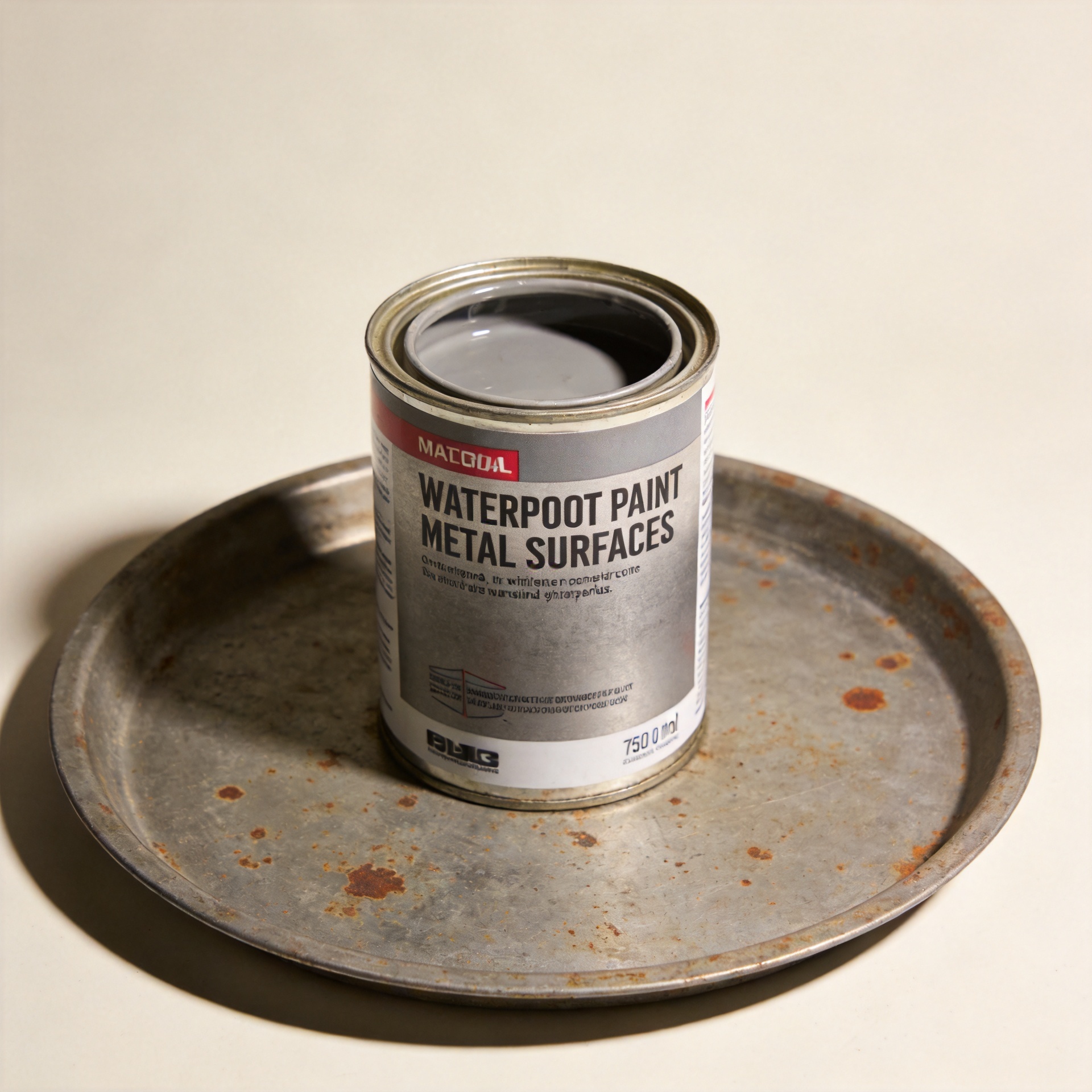
Protecting steel roofs, corrugated iron sheets, storage tanks, and structural metal frameworks from moisture intrusion is one of the most critical maintenance tasks in industrial and commercial construction. Based on our extensive field experience supplying liquid waterproofing systems for factory warehouses and coastal steel buildings, unprotected metal substrates deteriorate rapidly when exposed to rain, condensation, and fluctuating ambient temperatures. Choosing a specialized Waterproof Paint for Metal Surfaces does far more than simply seal visible pinholes; it creates a continuous, seamless barrier that blocks oxygen and water from triggering electrochemical oxidation. Unlike concrete or masonry, metal panels expand and contract noticeably under direct sunlight and nighttime cooling. Standard rigid paints quickly crack and peel under this constant thermal movement, allowing water to seep underneath the film and accelerate hidden rust. A professionally formulated Waterproof Paint for Metal Surfaces provides the high elasticity and strong substrate adhesion needed to move synchronously with the metal while maintaining complete watertight integrity.
When contractors and facility managers evaluate liquid coatings for sun-exposed metal roofs and exterior cladding, acrylic and silicone formulations represent two of the most reliable options in our product portfolio. An acrylic Waterproof Paint for Metal Surfaces is a water-based, single-component liquid emulsion that cures into a flexible, breathable, and ultraviolet-resistant elastomeric membrane. Because it is environmentally friendly, low in odor, and easy to apply by brush, roller, or airless spray, acrylic coating is widely chosen for large-scale metal roof renovations where solar reflectance and weather aging resistance are top priorities. For regions experiencing frequent heavy rainfall or temporary ponding water in low-slope metal gutters, a silicone-based Waterproof Paint for Metal Surfaces offers exceptional hydrophobic performance and extreme temperature stability. Silicone coatings naturally repel standing water and resist chalking under intense ultraviolet radiation, ensuring that exposed metal roofs, flashings, and skylights remain sealed and weatherproof across changing seasons.
For industrial environments that demand superior mechanical toughness, chemical resistance, and crack-bridging capability, polyurethane liquid membranes and specialized transparent waterproof coatings deliver outstanding protective performance. A polyurethane Waterproof Paint for Metal Surfaces cures into a dense, rubber-like monolithic film that exhibits remarkable tensile strength and elongation. In our practical project consultations, we frequently recommend polyurethane liquid membrane systems for complex metal junctions, HVAC equipment bases, box gutters, and structural steel connections that experience heavy vibration or foot traffic during maintenance. Unlike traditional sheet membranes that require intricate cutting and overlapping around bolts, rivets, and lap joints, a liquid-applied Waterproof Paint for Metal Surfaces wraps seamlessly around irregular geometries to eliminate weak seams. Furthermore, when architectural preservation requires keeping the original metallic appearance visible, transparent waterproof glue coatings can be applied over clean metal details to form an invisible moisture-blocking film without altering the surface color.
Evaluating the long-term reliability of a Waterproof Paint for Metal Surfaces requires looking beyond initial appearance and analyzing how the cured film behaves under real-world environmental stress. Authoritative building envelope guidelines emphasize four essential performance benchmarks for metal waterproofing coatings: dynamic flexibility, adhesion strength, weather durability, and corrosion inhibition. First, high elongation ensures the coating stretches across metal panel seams and fastener heads without splitting during winter freezes or summer heatwaves. Second, superior wet and dry adhesion prevents the film from blistering or delaminating when subjected to wind uplift and driving rain. Third, ultraviolet stability keeps the polymer chains from becoming brittle over years of direct solar exposure. Finally, a dependable Waterproof Paint for Metal Surfaces acts as an impermeable shield against atmospheric pollutants, acid rain, and coastal salt mist, significantly extending the structural service life of metal buildings and reducing long-term replacement expenses.
Even the highest-performing Waterproof Paint for Metal Surfaces cannot achieve its full service life if applied over oil, loose rust, or trapped moisture. Trustworthy waterproofing engineering always begins with thorough substrate inspection and preparation. Before opening a pail of coating, applicators must power-wash the metal substrate to remove dust, chalking, and grease, followed by mechanical wire-brushing or grinding to eliminate flaking rust scales. Loose screws or wide panel gaps should be tightened and reinforced with nonwoven polyester mesh embedded into a base coat of liquid membrane to strengthen vulnerable joints. Once the substrate is clean, dry, and structurally sound, the chosen Waterproof Paint for Metal Surfaces should be applied in multiple uniform cross-directional coats rather than a single overly thick layer. Allowing proper curing time between coats ensures complete film formation, uniform thickness, and reliable waterproofing protection for your metal assets.
Loose, flaky, or powdery rust must always be removed by wire brushing, sanding, or grinding before applying any Waterproof Paint for Metal Surfaces. While liquid waterproof coatings provide excellent adhesion and moisture barrier properties, painting over unstable rust scales will cause the coating to peel away along with the corroded layer over time.
To permanently seal metal roof seams and fasteners, first apply a base layer of liquid waterproof coating around the joint or screw head, then immediately embed a strip of reinforcing polyester fabric into the wet paint. Once dry, apply one to two additional topcoats of Waterproof Paint for Metal Surfaces to create a thick, tear-resistant, and seamless seal.
You should apply liquid waterproof coatings during dry, clear weather when no rain or heavy dew is expected before the film cures. Avoid applying coating on metal panels during extreme midday heat when the metal is too hot to touch, or in freezing temperatures, as extreme surface temperatures can interfere with proper film leveling and curing.

2026/11/20
How an APP waterproof membrane handles heat: 130°C softening point, torch application windows, overheating signs, summer storage, and thermal aging checks.

2026/11/20
The science of a breathable waterproof membrane: water vapor diffusion, Sd values, three grammage grades, water column resistance, and wrong-use cases.

2026/11/20
Single-ply or two-ply, every flat roof is a stack. See how a self adhesive waterproof membrane for roof systems handles base, cap, insulation and drains.

2026/11/20
How the polyester scrim sets tensile strength and dimensional stability of reinforced TPO membrane rolls, with welding, roll sizes and selection tips.

2026/11/20
How an aluminum foil coated bitumen waterproof membrane reflects solar radiation, lowers surface temperature, and what maintenance keeps savings alive.

2026/11/20
SBS modified bitumen waterproof membrane property groups: tensile strength, low-temperature flexibility, heat resistance, surface finishes, applications.
Links to the corresponding full news page.

The eight questions overseas buyers ask most — factory ownership, capacity, batch consistency and lead times, answered straight.

SBS membranes, polymer sheets, coatings and geomembranes — six product lines are operating simultaneously.

Pre-sales specification, on-site technical support and post-delivery maintenance across 100+ export markets.

Waterproofing performance is decided in the specification and the detailing, not just the material. Our technical team helps you select the right system, resolve site questions as they arise, and stay reachable long after the container lands.
