 EN
APP Waterproof Membrane: High-Temperature Stability Guide
2026/11/20
How an APP waterproof membrane handles heat: 130°C softening point, torch application windows, overheating signs, summer storage, and thermal aging checks.

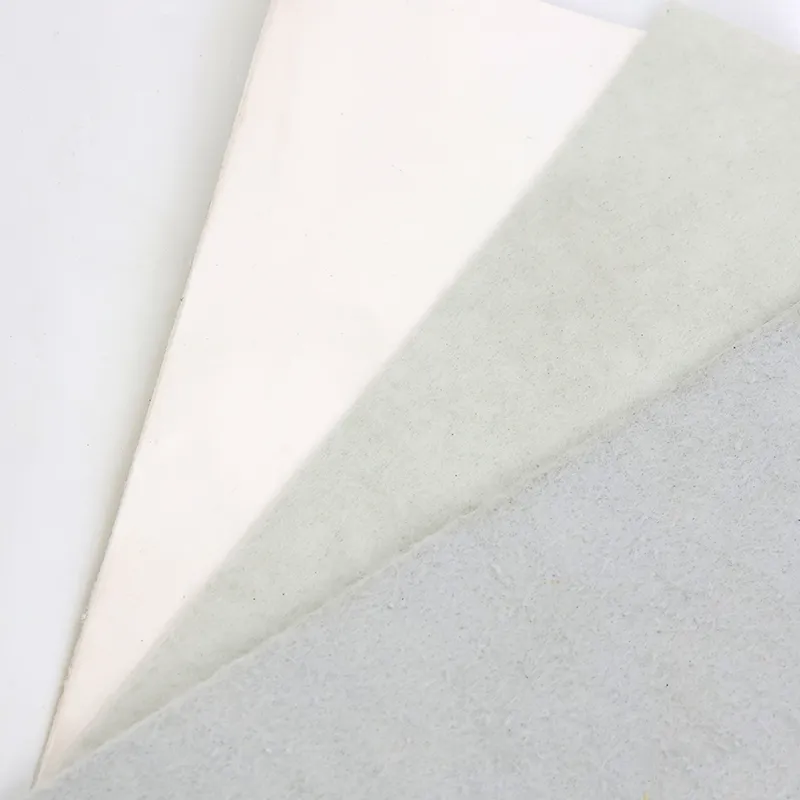
Buying a water proofing membrane for an export project is more than a price comparison. Between inquiry and delivery sit decisions on material family, thickness, certification, documentation and logistics, and a mistake at any step costs more than the price saved. This guide takes them in order: waterproofing membrane types, test data, then membrane procurement.
A sheet is a continuous barrier that stops liquid water under pressure while tolerating movement and temperature swings. On a roof: UV and heat resistance plus flexibility through thermal cycling. Below grade: water tightness under pressure. In wet rooms: adhesion and crack bridging. No product does all of that well, so membrane selection starts with the surface and the exposure. Membrane certification comes second, because a datasheet means only what its standard says.
Four families cover most specifications, and the differences decide which waterproofing membrane types reach a shortlist:
A shortlist built this way makes membrane selection concrete: it shows where a water proofing membrane will and will not work.
Most waterproofing membrane types map onto five applications; start from the substrate and the exposure:
Two rows belong in the same table: the fire class of the installation method and the deck condition that day. Get either wrong and the best water proofing membrane fails its first wet season — which is why comparing waterproofing membrane types is technical, not commercial, and belongs in the membrane procurement enquiry.
Catalog numbers mean little without the standard behind them, and membrane certification is where cheap offers fail:
Ask for EN test reports, COA, MSDS and TDS for the exact batch, not a generic sheet. A supplier that answers within days has a working QC laboratory; one that stalls has shown where its membrane certification ends. A water proofing membrane file that answers in days beats a discount.
Sound membrane procurement runs on documents and dates, and so does sound membrane selection:
Shandong Dingtai Waterproof publishes these terms openly, a useful benchmark during membrane procurement. Line every offer up against the same rows, check membrane certification before the price, and the cheapest quote stops looking cheapest — the practical test of membrane selection.
Choose a water proofing membrane where the surface is large, regular and needs puncture resistance — roofs, foundations, tunnels. Choose a coating where geometry is complex — upstands, pipe clusters, gutters — or access is tight. Comparing waterproofing membrane types against coatings on the same criteria settles the argument quickly, before membrane selection begins.
Normalize first: same thickness, standard and test method. A 1.5 mm sheet with membrane certification to EN 13956 and an EN 1928 report is not comparable to an un-certified sheet at a lower price. Then compare MOQ, lead time and documentation — the cheapest quote usually omits the reports needed at inspection, the hidden cost in any membrane procurement.
At minimum for any water proofing membrane order: EN test reports for the grade, COA, MSDS and TDS. Repeated supply adds ISO 9001 and a CE declaration of performance where applicable. Membrane certification is only as good as the paperwork that reaches site, so retain offcuts and file both with the membrane procurement record — the habit that makes membrane selection auditable years later, whatever waterproofing membrane types a project involves.

2026/11/20
How an APP waterproof membrane handles heat: 130°C softening point, torch application windows, overheating signs, summer storage, and thermal aging checks.

2026/11/20
The science of a breathable waterproof membrane: water vapor diffusion, Sd values, three grammage grades, water column resistance, and wrong-use cases.

2026/11/20
Single-ply or two-ply, every flat roof is a stack. See how a self adhesive waterproof membrane for roof systems handles base, cap, insulation and drains.

2026/11/20
How the polyester scrim sets tensile strength and dimensional stability of reinforced TPO membrane rolls, with welding, roll sizes and selection tips.

2026/11/20
How an aluminum foil coated bitumen waterproof membrane reflects solar radiation, lowers surface temperature, and what maintenance keeps savings alive.

2026/11/20
SBS modified bitumen waterproof membrane property groups: tensile strength, low-temperature flexibility, heat resistance, surface finishes, applications.
Links to the corresponding full news page.

The eight questions overseas buyers ask most — factory ownership, capacity, batch consistency and lead times, answered straight.

SBS membranes, polymer sheets, coatings and geomembranes — six product lines are operating simultaneously.

Pre-sales specification, on-site technical support and post-delivery maintenance across 100+ export markets.

Waterproofing performance is decided in the specification and the detailing, not just the material. Our technical team helps you select the right system, resolve site questions as they arise, and stay reachable long after the container lands.
