 EN
Enquiry
Share the project, not just a product code — we recommend what actually fits.

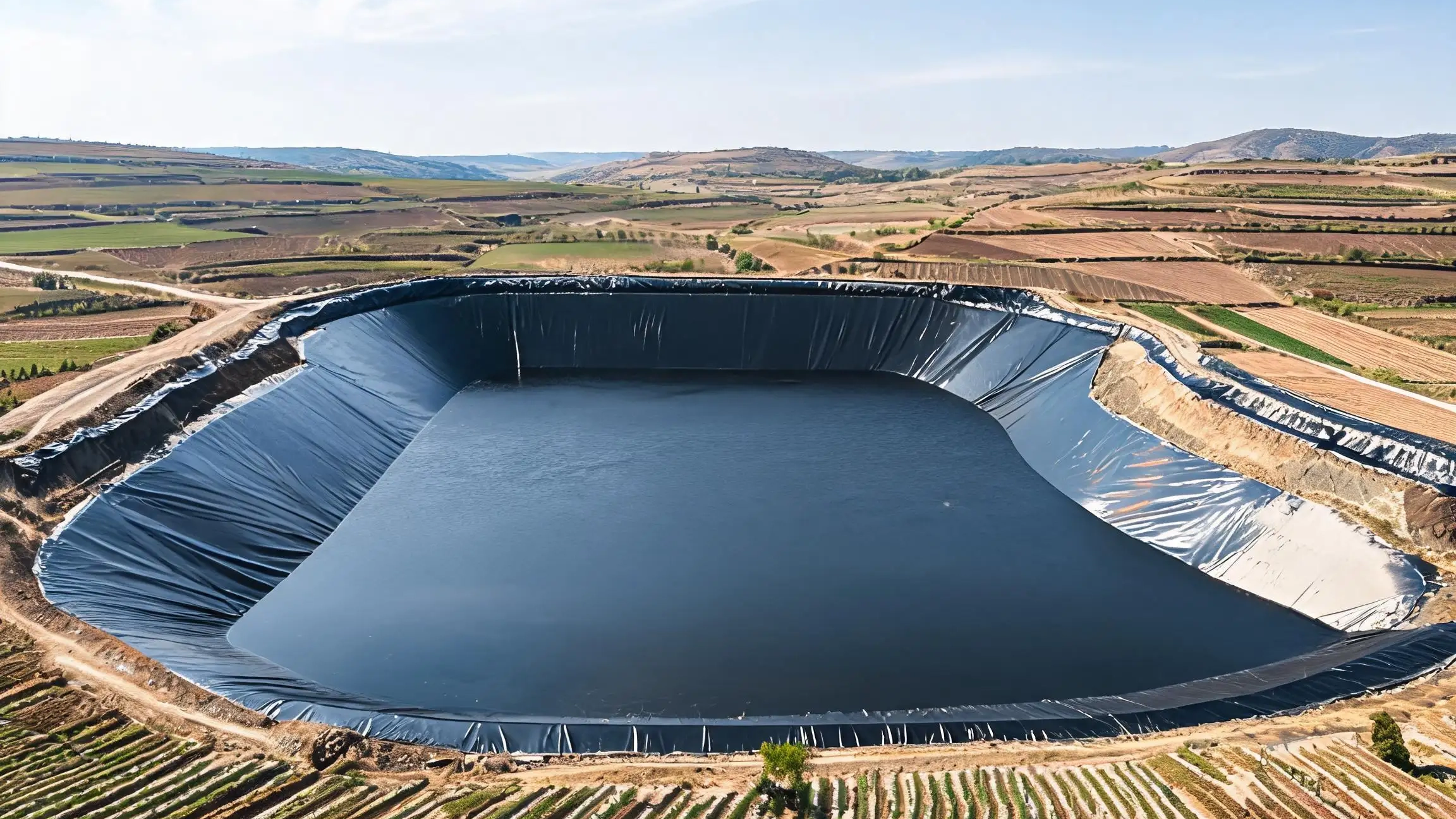
An unlined earth reservoir in a region with permeable subsoil can lose a large share of its stored volume to seepage before any of it reaches a crop. In agricultural regions where water is the constraint on yield, that loss is the difference between a viable irrigation scheme and an unviable one.
Lining the reservoir solves the seepage problem but introduces three new ones:
UV exposure. A reservoir liner above the waterline is fully exposed to sunlight, permanently. Polymers that are not properly stabilised become brittle within a few seasons and crack at the crest, exactly where the liner is under most tension.
Slope stability. On the embankment batters the liner must resist sliding under its own weight and under the drag of fluctuating water levels. Anchorage at the crest carries this load.
Water quality. Water drawn for irrigation — and more so for livestock or aquaculture — must not pick up anything from the liner. This rules out recycled-content material regardless of price.
| Element | Product | Specification |
|---|---|---|
| Primary liner | HDPE Geomembrane | 1.0–1.5 mm, smooth, virgin resin with carbon black UV stabiliser |
| Slope liner | HDPE Geomembrane | Textured surface where batter exceeds 1:3 |
| Cushion layer | Non-Woven Geotextile | 300–400 g/m², above and below the liner |
| Anchorage | Anchor trench at crest | Liner returned and backfilled |
Why virgin resin. Recycled HDPE is cheaper and it is widely offered. It is also inconsistent — variable melt index makes welding unpredictable, and unknown feedstock means unknown leachate. For any reservoir supplying irrigation, livestock or aquaculture, virgin resin is not a premium option, it is the specification.
Why carbon black. Carbon black is the UV stabiliser that gives HDPE geomembrane its service life in exposed applications. Without properly dispersed carbon black at the correct loading, an exposed liner degrades quickly.
Why textured on the slopes. A smooth liner on a steep batter can slide against the subgrade or against the cushion geotextile. Textured surfacing raises the interface friction angle and holds the liner in position.
Why geotextile on both faces. Below the liner it protects against sharp stones in the subgrade. Above it, where a cover soil or ballast layer is used, it protects against the cover material itself.
A reservoir that holds the water put into it. The dual-track weld with air-channel testing means every metre of seam is verified before the liner is buried or flooded — this is the critical difference between a lining system that is installed and one that is proven.
Test records for each seam form part of the handover documentation, which is normally a condition of payment on funded irrigation schemes.
2026/09/07
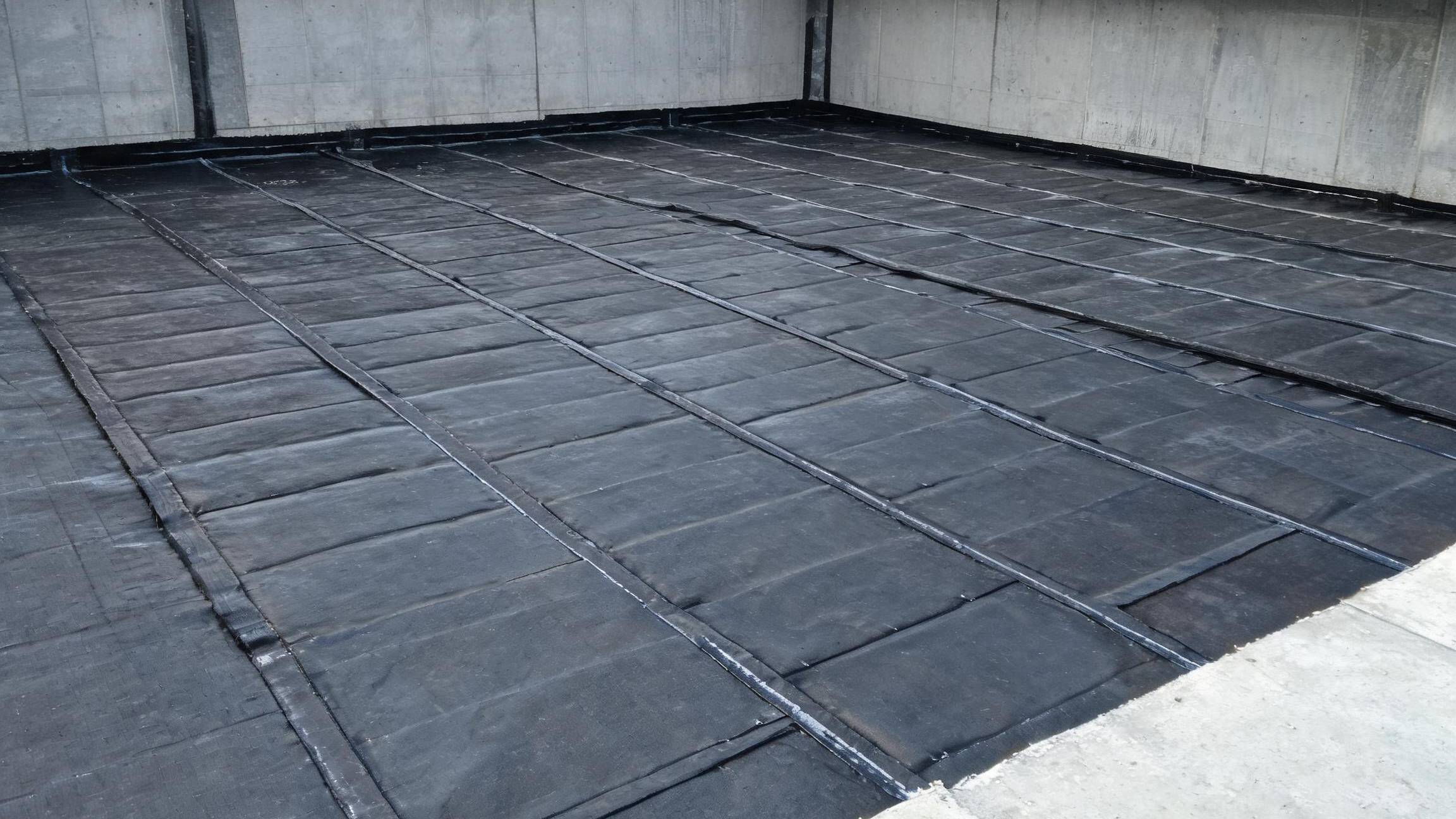
The Challenge Below-grade waterproofing has one property that makes it fundamentally different from every other application: you cannot go back and fix it. Once the structure is poured and the excavation backfilled, the waterproofing layer is buried ...
2026/09/06
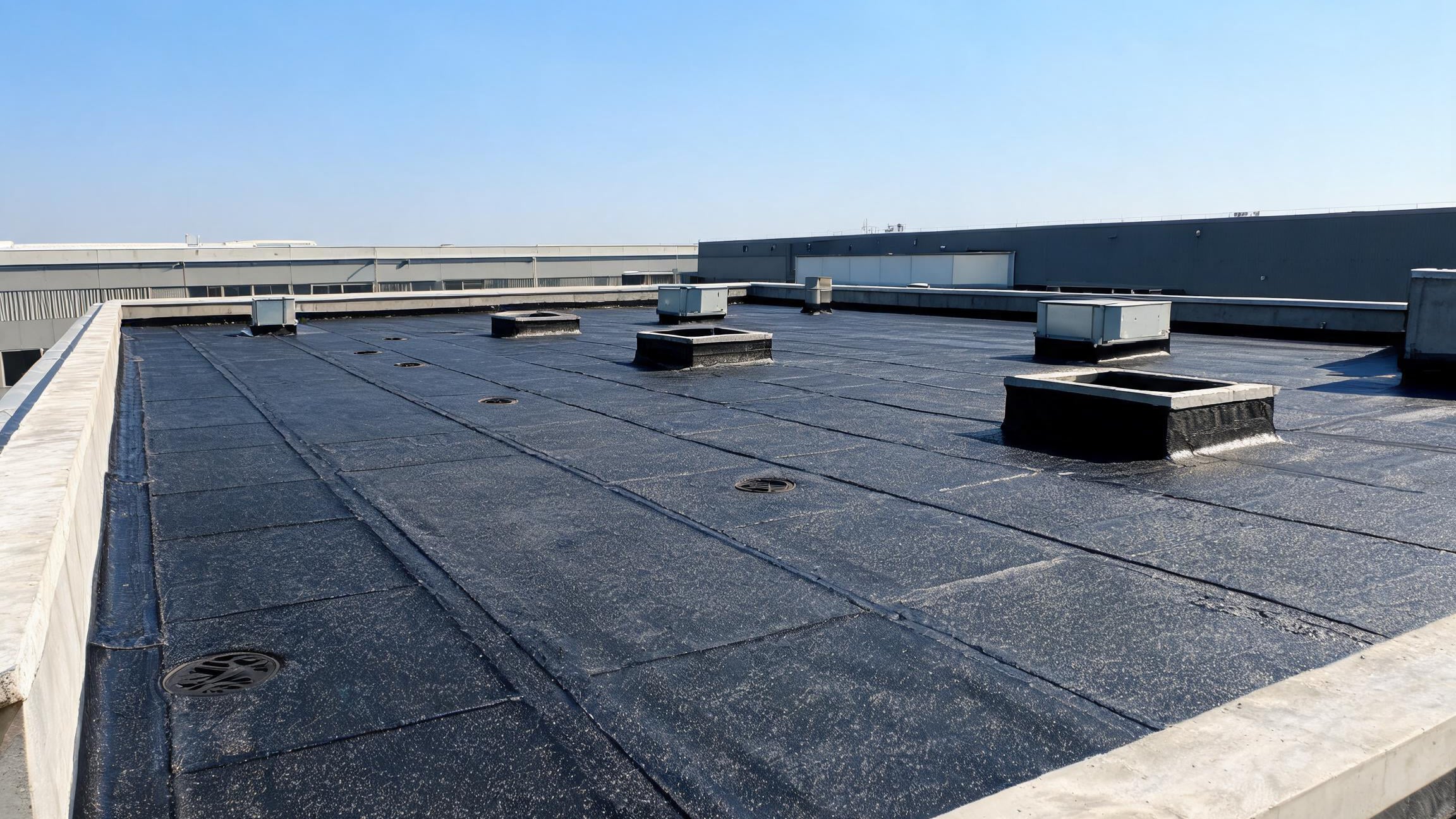
The Challenge A large-span commercial roof — a distribution warehouse, a retail centre, a factory shed — presents a waterproofing problem that has almost nothing to do with the open field of the roof. The field is the easy part. The failu...
Six steps, one point of contact. You will know what happens next at every stage — and who to ask if it does not.

Share the project, not just a product code — we recommend what actually fits.

Our engineers specify the full system and send data sheets for your contractor.

Samples first. Then a full quotation — price, loading and lead time.

Made on our own lines in parallel — nothing subcontracted.

Batch-tested and photographed before loading. Documents ready with the goods.
Tracking shared, documents couriered. We stay reachable after arrival.
